
Introduction
Tongkat Ali, a traditional Southeast Asian herbal supplement, has gained attention among athletes, bodybuilders, and performance enthusiasts. Promoted for its potential influence on energy, testosterone, and recovery, this compound finds its way into both sports nutrition products and wellness routines.
However, what does high-quality human research really say about Tongkat Ali’s effects, mechanisms, and safety—especially when used for athletic and performance enhancement?
This comprehensive, evidence-based profile explores the true landscape of Tongkat Ali as a supplement. We will separate hype from science, openly discuss unknowns and context-dependent results, and outline practical athlete-specific considerations.
Key Takeaways
- Tongkat Ali is a herbal supplement with traditional uses in Southeast Asia and growing global interest.
- Human evidence supports certain potential effects but is limited, especially in athletic contexts.
- Most performance and hormone-related effects are context-dependent and vary between individuals.
- Safety profile appears favorable at standard doses, but long-term and high-dose data are sparse.
- Tongkat Ali should be used with medical caution, particularly in competitive sport settings.
Quick Facts Table
| Property | Summary |
|---|---|
| Compound Name | Tongkat Ali |
| Compound Type | Supplements |
| Primary Source | Herb (Eurycoma longifolia) |
| Use in Sport | Energy, mood, possible testosterone |
| Known Effects | Context-dependent, varied |
| Human Evidence | Limited, mixed, mostly non-athlete |
| Legal Status | Legal in most countries |
| Typical Form | Capsule, extract, powder |
| Main Safety Concerns | Sparse long-term data, possible interactions |
What is Tongkat Ali?
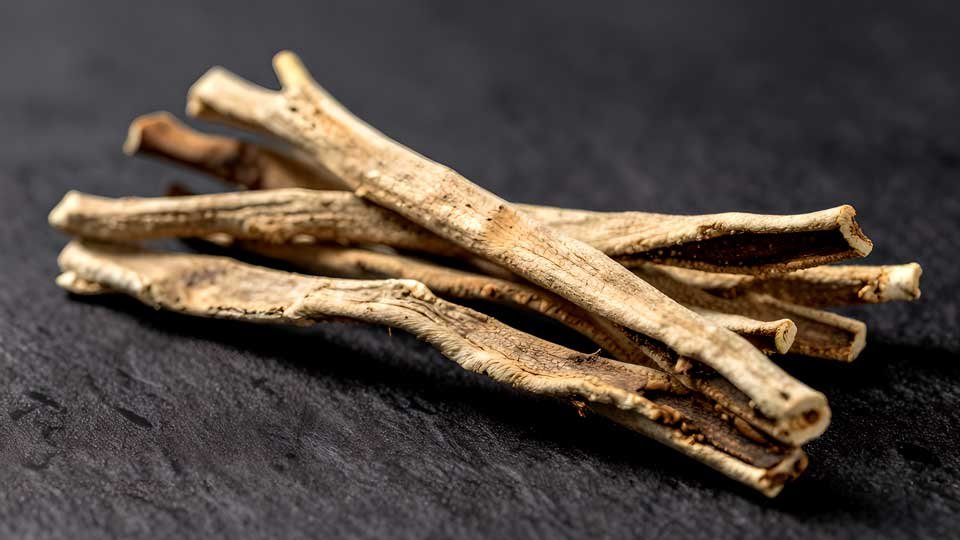
Tongkat Ali is the common name for Eurycoma longifolia, a medicinal plant native to Southeast Asia. Traditionally, it is used for a variety of purposes including vitality, stress response, and general wellness.
Today, Tongkat Ali features in many commercial supplements targeting men’s health, mood, and, increasingly, athletic performance. As a supplement, it is usually found in powdered or standardized extract forms and promoted alongside claims of supporting testosterone and energy levels.
History & Development
The use of Tongkat Ali in herbal medicine dates back centuries, particularly in Malaysia and Indonesia. Historically, it was consumed as a decoction or tonic for energy, libido, and resilience.
In recent years, global supplement industries have sparked research into its potential as a natural performance aid. Some studies use standardized extracts with specified levels of key bioactive compounds (such as eurycomanone), though product quality varies widely.
How Tongkat Ali Works
Mechanism of Action
Tongkat Ali’s proposed mechanisms are complex and not fully mapped out in humans. Human research suggests:
- Hormonal Modulation: Some trials suggest an influence on the hypothalamic-pituitary-gonadal axis, potentially supporting testosterone production in certain populations. This effect is not consistent for all users and may be more significant in those experiencing stress or low baseline testosterone.
- Adaptogenic Properties: The herb may reduce the perception of stress, possibly by influencing cortisol production. The magnitude and relevance of this adaptogenic effect for physically stressed athletes remain unclear.
- Fatigue and Energy: Some evidence indicates improved feelings of energy and reduced fatigue, though the underlying biological mechanisms remain largely speculative.
- Muscle Recovery: Possible anti-inflammatory or anabolic effects have been hypothesized based on traditional use, but human evidence for direct muscle recovery enhancement is limited and inconsistent.
Mechanisms remain largely theoretical outside of small, controlled studies. They may be more or less pronounced depending on baseline hormone levels, psychological stress, and training status of the individual.
Biological Effects
Tongkat Ali’s biological effects in humans are multi-faceted, often depending on the form used, baseline health, and the presence of stress or hormonal imbalance.
Effects can include changes in self-perceived vigor, mood, and possibly minor changes in blood biomarkers for some hormones. However, these shifts are highly variable and should be interpreted with caution. Not all users experience significant effects, particularly healthy, already-eugonadal individuals.
Benefits of Tongkat Ali
Human research suggests several potential benefits for Tongkat Ali, though many effects are inconsistent or context-dependent:
1. Possible Support for Testosterone in Some Populations
- Some controlled human trials indicate Tongkat Ali may increase total or free testosterone, particularly in individuals with below-normal levels due to stress or age.
- Effects in young, healthy athletes with normal testosterone are less pronounced or absent.
- Outcomes vary significantly depending on individual baseline hormone levels and stress status.
- Athletes with hormonal imbalances or chronic stress might see greater benefit.
2. Perceived Stress Reduction
- Some studies report improved subjective perceptions of stress, tension, or mood in individuals supplementing with Tongkat Ali.
- This effect appears most robust in those experiencing chronic psychological or physical stress—such as overtraining or competition stress among athletes.
- The impact on performance is indirect; stress relief may enable better recovery or training adherence in some individuals.
- Evidence is stronger for mood than for direct athletic outcomes.
3. Enhanced Feelings of Energy and Vigor
- Reports include increased self-rated energy or reduced fatigue, particularly among individuals reporting low baseline vigor.
- In athletes, enhanced feelings of energy might contribute to motivation but do not necessarily translate into measurable improvements in strength, endurance, or recovery.
- Individual response appears closely linked to personal stress levels, training load, and overall health.
4. Possible Modest Influence on Body Composition
- Limited human evidence suggests Tongkat Ali may support modest changes in body composition (e.g., lean mass/fat mass ratio), particularly in men aged 40 and above or those with metabolic stress.
- Effects in young, healthy athletes are much less clear and rarely significant in controlled settings.
- Any body composition benefit is likely to depend on consistent training and diet, and should not be expected as a stand-alone outcome.
5. Libido and Sexual Health
- Traditional use and some modern research indicate possible libido-supporting effects, which may indirectly support mood and general well-being in athletes dealing with stress or demanding training.
- Not directly performance-enhancing, but could contribute to overall quality of life.
6. Limited Evidence for Immune and Recovery Effects
- There are anecdotal and preliminary human data suggesting a possible influence on immune function and recovery, but these effects are highly context-dependent and not well established.
- No proven direct benefit to athletic recovery time or injury prevention.
Side Effects & Safety
Human observations indicate Tongkat Ali is generally well-tolerated at standard doses (as used in clinical studies), but there are important limitations:
- Long-term safety and data on very high doses are lacking.
- Individual response may vary based on underlying health conditions, sensitivity, and product purity.
1. Gastrointestinal Discomfort
- Some users report mild gastrointestinal symptoms (nausea, bloating, diarrhea).
- Such effects are generally rare and self-limited but may be more likely with higher doses or lower-quality supplements.
2. Restlessness or Insomnia
- Occasional reports of increased restlessness or sleep disturbances, particularly with evening dosing.
- Appears to affect sensitive individuals or those combining with stimulants or other adaptogens.
Interactions
- Potential for mild interactions with medications affecting hormone metabolism or stress response, though significant clinical issues are rarely reported.
- Individuals using hormone therapy or medications for mood disorders should consult a physician before use.
Pros & Cons
| Pros | Cons |
|---|---|
| May support testosterone in select populations | Effects in athletes are inconsistent |
| Possible mood and stress benefits | Human data is limited and mixed |
| Well-tolerated at standard doses | Sparse long-term safety data |
| Potential for improved energy perception | GI side effects and insomnia possible in sensitive users |
| Legal in most countries | Product purity and consistency can vary |
How Athletes & Bodybuilders Use Tongkat Ali
Practical Usage Scenarios
- Athletes under high training stress seeking mood or stress support
- Older athletes or those with documented low testosterone
- Those experimenting to manage subjective energy or motivation
- Not suitable as a replacement for medical therapy in diagnosed deficiencies
Timing, Forms, & Implementation
- Most use standardized Tongkat Ali extracts (e.g., 100:1, 200:1), aiming for consistency in active compounds.
- Typically taken once or twice daily, morning use preferred to minimize impact on sleep.
- Should be cycled, with periodic breaks, until more is known about long-term exposure.
Monitoring & Safety Notes
- Monitor for gastrointestinal or sleep disturbances, especially during initial usage.
- Athletes subject to anti-doping regulations should verify purity and check for contaminants, as herbal supplements may be vulnerable to adulteration.
- Not suitable during pregnancy, for individuals on hormone therapy without medical supervision, or in those with significant underlying medical conditions.
Comparison to Similar Compounds
Overview
| Compound | Primary Use | Human Evidence | Key Differences |
|---|---|---|---|
| Tongkat Ali | Adaptogen/Testo | Limited, mixed | Traditional, multi-mechanism, legal |
| Ashwagandha | Adaptogen/Stress | More robust | Better researched for stress; less for testosterone |
| Tribulus | Testosterone | Weak/inconsistent | Often less effect in controlled studies |
| DHEA | Prohormone | Prescription only | Direct hormone, legal restrictions |
| Fenugreek | Hormone/Support | Limited, context | Effects mostly in libido, less in athletes |
Analysis
Tongkat Ali differs from other herbal and prohormone supplements in its traditional versatility and the relative strength of adaptogenic versus hormone-related properties. It is neither a direct hormone nor a replacement for medical testosterone therapies.
Although Ashwagandha is more established for stress reduction, Tongkat Ali’s possible testosterone effect may be more relevant to older or stressed athletes. Unlike DHEA, Tongkat Ali is widely available and legal in most locations.
Legality & Regulatory Status
- Tongkat Ali is considered legal and unscheduled in most countries as a dietary supplement or herbal product.
- Not prohibited by major anti-doping agencies, but risks of supplement contamination exist—third-party tested sources are recommended for athletes under strict drug testing.
- Some markets may restrict import or sales of concentrated extracts—check local regulations.
Where to buy “Tongkat Ali”?
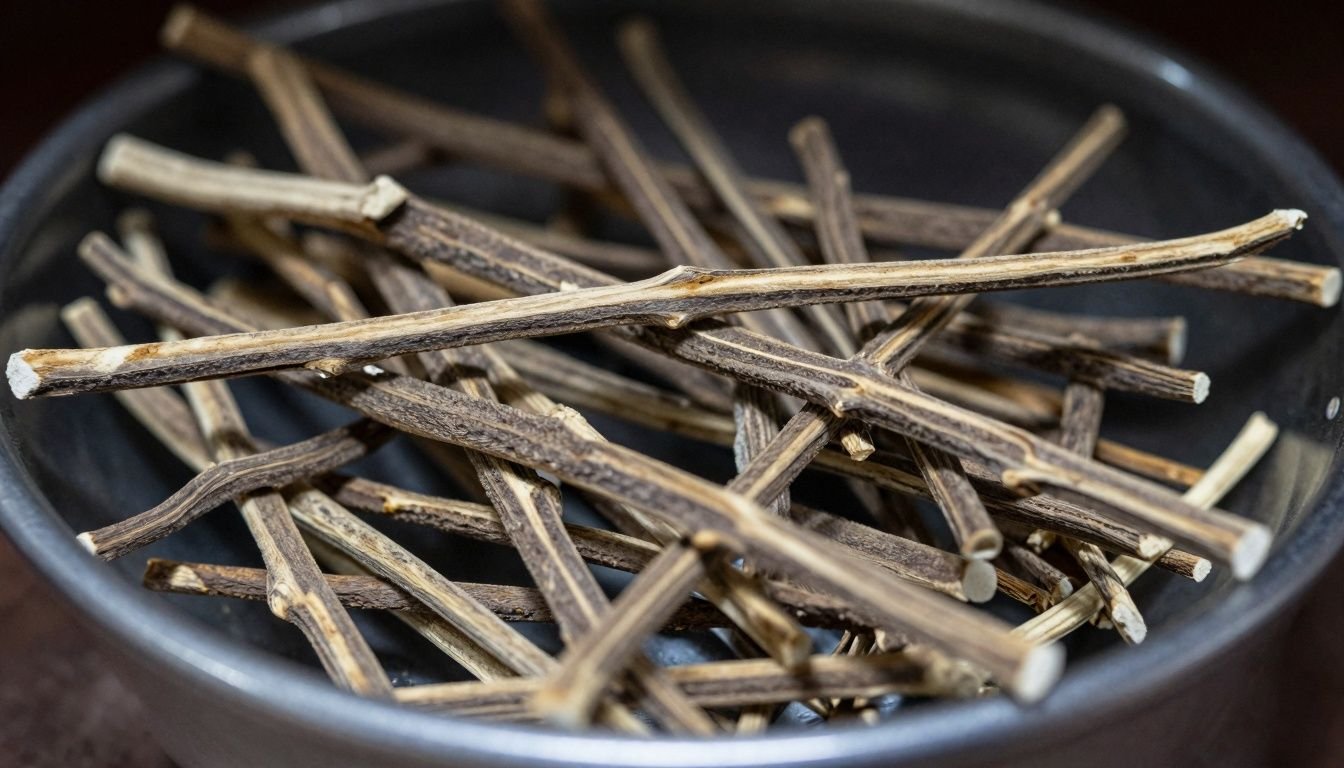
Reputable supplement retailers, sports nutrition shops, and some pharmacies offer Tongkat Ali products, primarily as capsules or standardized extracts.
Athletes should seek products with transparent sourcing, third-party testing, and clear labeling of extract ratios (e.g., 100:1 or 200:1) and active constituents (e.g., eurycomanone content). Beware of counterfeit or adulterated products, and avoid buying from unknown sources, especially for competitively tested athletes.
Alternatives to Tongkat Ali
- Ashwagandha: Supported by more consistent evidence for stress and cortisol reduction.
- Tribulus Terrestris: Popular for testosterone, but human evidence for performance is weak.
- D-Aspartic Acid: Explored in male fertility and testosterone but rarely effective for young, healthy individuals.
- Lifestyle approaches: Adequate sleep, nutrition, and stress management are the foundation for hormonal balance and recovery.
- Medical evaluation: For persistent low testosterone or performance issues, a healthcare provider should investigate underlying causes.
Frequently Asked Questions (FAQ)
Q: Can Tongkat Ali boost testosterone for athletes?
- Some evidence supports a modest rise in testosterone for individuals with low or borderline levels. Young, healthy athletes with normal testosterone should not expect major changes.
Q: Is Tongkat Ali safe to use long-term?
- Available data indicate good tolerability at typical doses, but robust long-term human studies are missing. Cycling and periodic breaks are recommended.
Q: Will Tongkat Ali enhance muscle growth or strength?
- No consistent human data confirms a direct, substantial ergogenic or anabolic effect in athletes beyond indirect effects of mood or modest hormonal change.
Q: Can I use Tongkat Ali with other supplements?
- No major interactions are documented, but stacking with other adaptogens or hormone-active supplements should be monitored, and a healthcare provider consulted if there are health conditions or medications involved.
Q: Is it safe for women to use Tongkat Ali?
- There is very limited research in women, and it is not routinely recommended unless under medical advice, especially in pregnancy or lactation.
Q: How quickly will I notice effects?
- Anecdotal reports vary widely; some notice mood or energy shifts within weeks. Objective performance or hormonal shifts, if they occur, take longer and are often mild.
Conclusion
Tongkat Ali is a traditional supplement with intriguing properties for select athletic and wellness audiences. High-level human evidence supports subjective improvements in mood, energy, and possibly testosterone—especially for individuals experiencing stress or low androgen levels.
However, direct performance-enhancing effects remain inconsistent and modest at best. Safety at typical doses appears good, but data is sparse for long-term or high-dose use. Tongkat Ali is best viewed as a possible adjunct for stress management and wellness—not a primary tool for muscle or performance gains.
Performance-oriented users should always combine use with sound nutrition, recovery, and, if appropriate, professional medical guidance. Product quality, individual response, and competitive integrity (third-party testing) are critical when considering Tongkat Ali as part of an athlete’s supplement regimen.
Studies / References
- Human trials examining Tongkat Ali and testosterone support
- Human studies of Tongkat Ali on mood and stress in healthy adults
- Limited data on Tongkat Ali and body composition in older men
Athlete Final Checklist
- Confirm legal and regulatory status in your jurisdiction and sport.
- Choose standardized, third-party tested Tongkat Ali products.
- Start with low doses and monitor for sleep or GI issues.
- Use as an adjunct to—not a replacement for—lifestyle, nutrition, and medical management.
- Consult a healthcare provider if combining with medications or experiencing adverse effects.