
For serious lifters, every advantage counts—especially when it comes to recovery. Enter TB-500, a peptide that’s making waves in the bodybuilding world for its potential to speed up healing, reduce inflammation, and support joint and muscle repair. Unlike supplements or typical recovery hacks, TB-500 works at a cellular level, influencing how your body regenerates tissue after intense training. But what is it exactly, and does the science back the hype? In this article, we break down the science behind TB-500, its possible benefits, and what you should know before considering it.
Key Takeaways
- TB-500 is a synthetic version of a naturally occurring peptide called Thymosin Beta-4, known for its role in tissue repair and healing.
- Its primary mechanism involves promoting cell migration, which is vital for repairing damaged tissues and forming new blood vessels.
- Potential benefits include accelerated wound healing, reduced inflammation, and support for muscle and joint recovery.
- Research suggests TB-500 may aid in recovery from injuries and improve overall tissue regeneration.
- While research is ongoing, TB-500 is often explored for its effects on healing and recovery processes.
- Dosage and administration protocols can vary, and it’s often used in conjunction with other peptides like BPC-157.
- As with many research compounds, potential side effects and risks should be carefully considered, and professional guidance is recommended.
- Sourcing TB-500 safely and reliably is important, as it is often sold as a research chemical.
What is TB-500?
TB-500 vs. Thymosin Beta-4
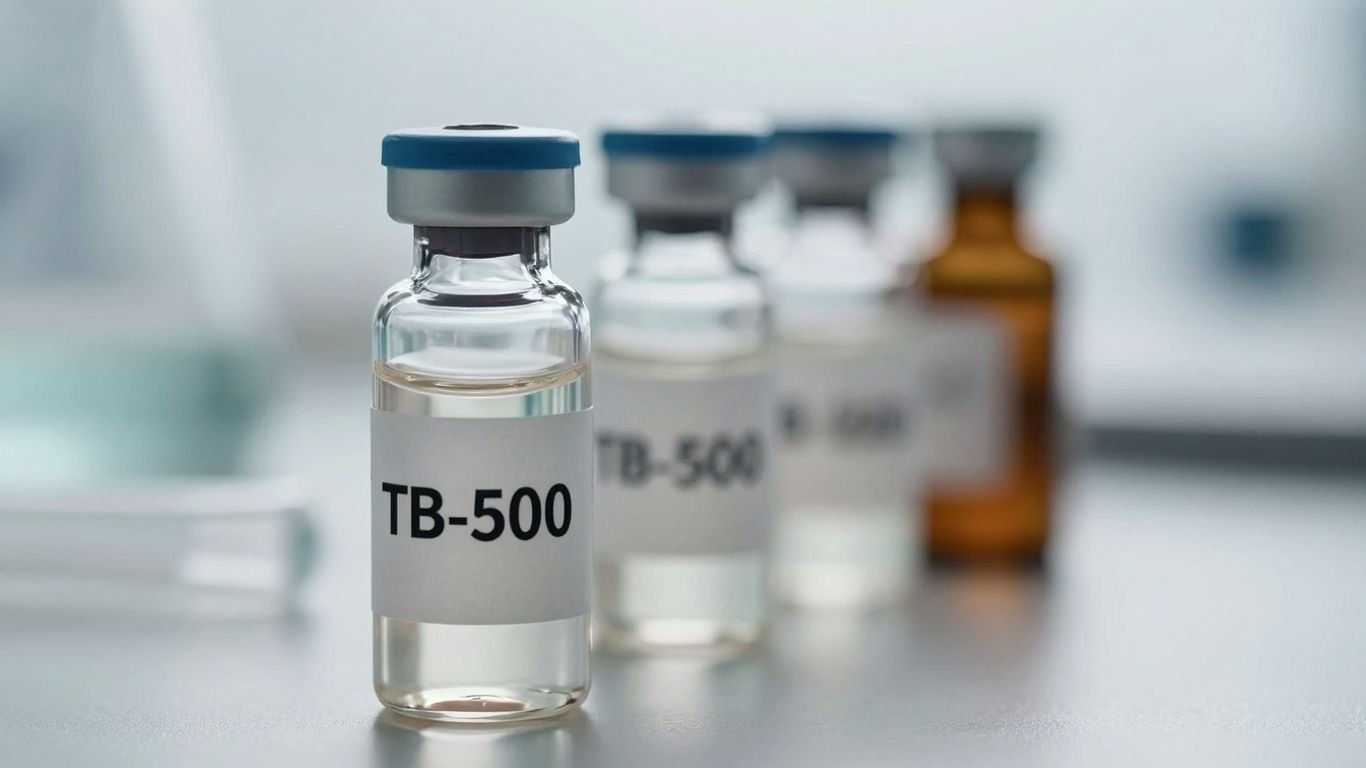
TB-500 is a synthetic peptide fragment. It’s essentially a lab-created version of a naturally occurring protein called Thymosin Beta-4. This natural protein plays a big role in our bodies, particularly in cell repair and healing. Think of TB-500 as a targeted tool designed to mimic and amplify those natural healing processes. It’s not a magic bullet, but it’s been studied for its potential to speed up recovery from injuries.
The primary difference lies in their origin and purity. Thymosin Beta-4 is the full, naturally occurring protein. TB-500 is a specific, smaller part of that protein, often produced for research purposes. While they share similar functions, TB-500 is what’s typically used in research settings and discussions about performance enhancement or therapeutic applications.
Here’s a quick look at what they do:
| Thymosin Beta-4 | A naturally occurring protein involved in cell migration, differentiation, and tissue repair. |
|---|---|
| TB-500 | A synthetic peptide fragment of Thymosin Beta-4, designed to replicate its healing and regenerative properties. |
It’s important to note that while Thymosin Beta-4 is found naturally, TB-500 is generally synthesized. This distinction is key when considering its use and availability. Research into these peptides is ongoing, with many studies focusing on their potential in areas like wound healing and tissue regeneration. The goal is often to support the body’s own repair mechanisms, rather than replace them entirely. This approach aligns with a broader understanding of how to support recovery, where total daily intake of nutrients is more important than precise timing.
The development of synthetic peptides like TB-500 aims to isolate and concentrate specific beneficial actions of natural compounds. This allows for more controlled study and potential application in therapeutic contexts, though regulatory approval for human use is a separate and significant hurdle.
How Does TB-500 Work?
TB-500’s primary function revolves around cellular repair and regeneration. It’s not about adding something foreign; it’s more about signaling your body to do what it already knows how to do, but faster and more efficiently.
Mechanism of Action: Actin Sequestration
One of the key ways TB-500 operates is through actin sequestration. Actin is a protein vital for cell structure and movement. TB-500 binds to actin monomers, preventing them from forming filaments prematurely. This action is important because it helps regulate actin dynamics, which is crucial for cell migration and repair processes. Think of it like managing building materials on a construction site; you need them available, but not blocking pathways.
Promoting Cell Migration and Proliferation
By regulating actin, TB-500 facilitates the movement of cells to areas of injury. This process, known as cell migration, is a fundamental step in wound healing and tissue repair. It also supports cell proliferation, meaning it encourages cells to divide and multiply, further aiding in the rebuilding of damaged tissues. This peptide is studied for its role in actin regulation and cell migration.
Here’s a breakdown of its effects:
| Effect | Description |
|---|---|
| Facilitates cell movement | Helps cells get to where they need to be. |
| Supports new tissue growth | Encourages cells to divide and repair. |
| Regulates inflammation | Plays a role in managing the body’s response to injury. |
| Promotes blood vessel formation | Aids in delivering nutrients and oxygen to repair sites. |
TB-500’s mechanism is complex, involving interactions with various cellular components to orchestrate a healing response. It’s not a direct stimulant but rather a regulator that optimizes natural repair pathways.
Potential Benefits and Uses of TB-500
Wound Healing and Tissue Repair
TB-500 is recognized for its significant role in accelerating the body’s natural healing processes. It works by promoting cellular migration, which is key for repairing damaged tissues. This peptide helps in the formation of new blood vessels, ensuring that injured areas receive adequate blood supply, nutrients, and oxygen necessary for recovery. Its ability to stimulate tissue regeneration makes it a subject of interest for various applications.
Reducing Inflammation
Beyond tissue repair, TB-500 also exhibits properties that can help manage inflammation. By influencing cellular responses, it may contribute to a more controlled inflammatory environment, which is often a critical factor in the healing timeline of injuries.
Muscle Growth and Recovery
Athletes and fitness enthusiasts often look into peptides for recovery. TB-500’s role in tissue repair and cellular regeneration can translate to improved muscle recovery after strenuous workouts. This might mean less downtime between training sessions and potentially better gains over time. It’s thought to support the body’s ability to rebuild muscle fibers more efficiently.
Joint Health and Mobility
Joints and connective tissues can benefit from TB-500’s regenerative capabilities. Conditions affecting joint health and mobility might see improvements as the peptide aids in repairing damaged cartilage and reducing inflammation within the joint structures. This could lead to increased flexibility and reduced discomfort.
Hair Growth
Emerging research suggests that TB-500 may also play a role in promoting hair growth. While this area requires more investigation, the peptide’s influence on cellular processes and tissue repair could potentially extend to the hair follicles, supporting healthier and more robust hair development. The mechanism is believed to involve stimulating dormant follicles and improving the scalp’s microcirculation.
TB-500 is not a magic bullet, but its mechanism of action suggests it supports the body’s inherent repair systems. It’s often considered as part of a broader strategy for recovery and tissue health, rather than a standalone solution. The research is ongoing, and individual responses can vary.
Research and Clinical Studies on TB-500
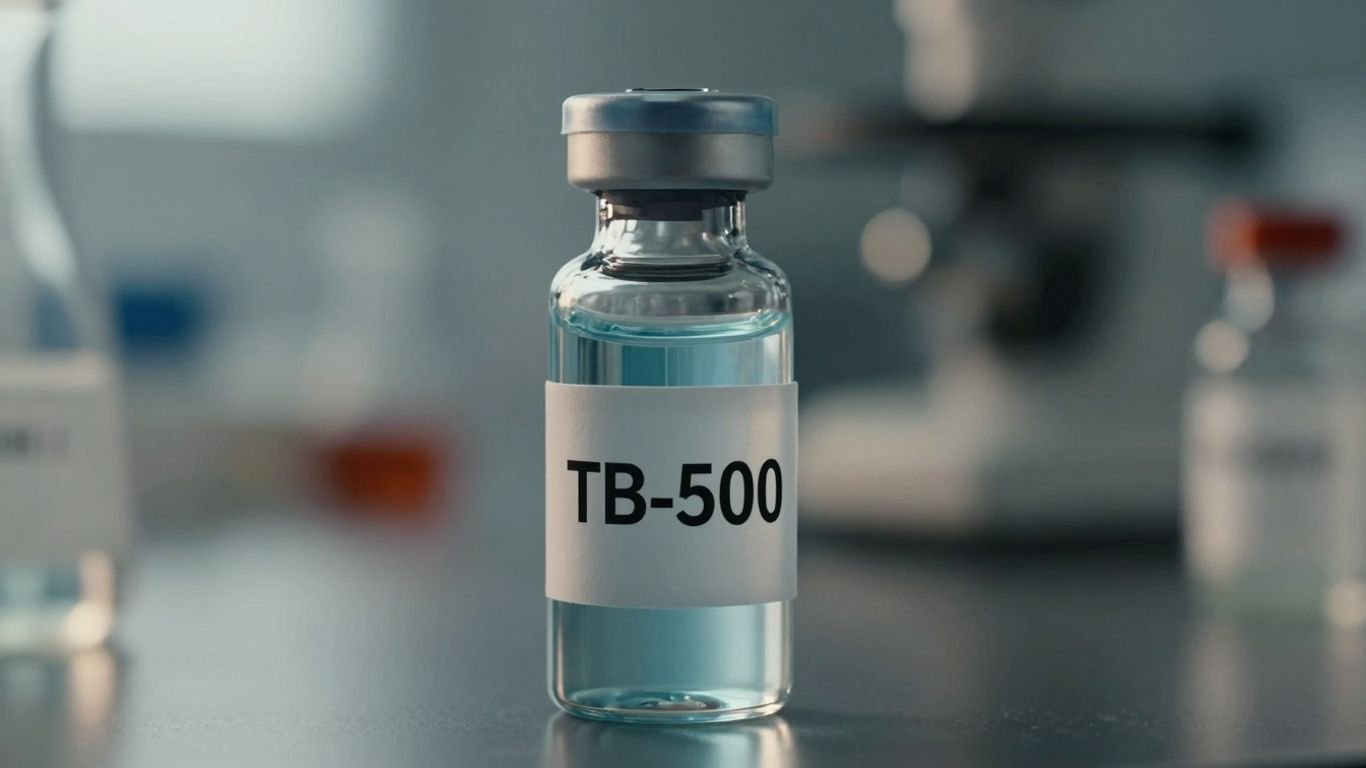
The scientific exploration into TB-500, also known as Thymosin Beta-4, is ongoing, with much of the initial research focusing on its role in tissue repair and regeneration. Early studies, often conducted in vitro or in animal models, have highlighted its potential to accelerate wound healing and promote the formation of new blood vessels. This peptide’s ability to influence cell migration and differentiation is a key area of investigation.
While human clinical trials specifically for TB-500 are less extensive compared to some other peptides, existing research provides a foundation for understanding its mechanisms. Studies have looked at its effects on various tissues, including skin, muscle, and joints. The peptide’s interaction with actin, a protein involved in cell structure and movement, is considered central to its regenerative properties.
Much of the current understanding is derived from its natural counterpart, Thymosin Beta-4. Researchers are working to clarify optimal dosages, administration methods, and long-term effects in humans. The synergy observed when TB-500 is used alongside other compounds like BPC-157 is also a subject of interest, suggesting potential for combined therapeutic strategies.
Key areas of research include:
- Accelerating recovery from injuries.
- Reducing inflammation in damaged tissues.
- Supporting the repair of connective tissues like tendons and ligaments.
- Investigating its role in conditions affecting joint mobility.
The scientific community continues to examine TB-500’s therapeutic potential, with a focus on its natural role in the body’s repair processes. Further investigation is needed to fully establish its efficacy and safety profile for various human applications.
While promising, it’s important to note that TB-500 is often classified as a research chemical, and its use in humans is not widely approved by regulatory bodies. This means that much of the available information comes from preclinical studies and anecdotal reports. For a deeper look into the scientific literature, resources like PubMed offer a gateway to published research.
How to use TB-500?
Important Warning: TB‑500 is not approved by the U.S. Food and Drug Administration (FDA) for human therapeutic use. It is generally sold and used as a “research chemical.” There is no official, clinically validated dosing guideline. What follows reflects common anecdotal protocols, frequently cited by bodybuilding, rehab, and “biohacking” communities — not medical advice. Use of TB‑500 (alone or stacked) carries risks, especially from uncertain purity, unknown long‑term effects, and legal or ethical issues.
Typical TB‑500 Protocols (Based on Anecdotal Use)
| Use Case / Goal | Commonly Used Dose (Reported) | Frequency / Duration | Notes / Purpose |
|---|---|---|---|
| Loading / Acute Recovery (e.g. tendon/ligament/muscle injury) | ~ 4–8 mg per week (often split into 2 injections) (Project Biohacking) | 2 injections per week, for ~ 4–6 weeks | Pushes tissue‑repair signals when body under high stress or healing from trauma |
| Maintenance / Ongoing Recovery / Prevention | ~ 2–5 mg per week (Poseidon Performance) | 1 injection/week — or 1 injection every 2–4 weeks depending on needs | Maintain tissue integrity, support joint/ligament resilience during heavy training |
| Mild or Lower‑Dose Use (less aggressive healing) | Some report ~ 2–3 mg/week or even lower frequency dosing (depending on body; some sources scale by injury severity) (BrainFlow) | Often 1–2 doses/week — sometimes spaced out more widely for long‑term low‑intensity use | For athletes seeking subtle recovery support without intensive therapy |
Administration Details
- Route: Primarily subcutaneous (SubQ) injection is used in these anecdotal protocols. Some users employ intramuscular (IM) injections for targeted effects.
- Injection‑site rotation: Recommended to avoid tissue irritation or damage (alternate between e.g. arms, thighs, abdomen) — especially with repeated use.
- Reconstitution & Storage: TB‑500 typically comes as a lyophilized powder; users reconstitute it with sterile bacteriostatic water (or equivalent sterile diluent) and refrigerate after mixing. Stored reconstituted solution is usually used within a limited time frame (dates vary by source).
Example Cycle: How Some Bodybuilders / Rehab‑Focused Users Organize Use
Protocol A — Acute Injury / Tendon–Ligament Recovery
- Weeks 1–4: Loading with ~ 5 mg/week, split into 2 doses (e.g. 2.5 mg twice weekly)
- Weeks 5–8: Reduce to maintenance — ~ 2–3 mg/week, one injection/week or spaced further apart
- After 8 weeks: Evaluate recovery; if healed, stop or shift to occasional maintenance (1 dose every 2–4 weeks)
Protocol B — Post‑Surgery / High‑Stress Healing + Stack with Healing Peptide
Often users combine TB‑500 with another peptide like BPC-157 for “multi‑pathway healing.” Typical stacking pattern:
- TB‑500: 2–2.5 mg twice per week
- BPC-157: ~ 250–500 µg daily (injected subcutaneously)
- Typical cycle: 4–6 weeks, then taper / maintenance depending on results and recovery.
Protocol C — Preventive / Maintenance Use (Heavy Training Periods)
- TB‑500: ~ 2–3 mg once every 1–2 weeks (or weekly, depending on stress and recovery demand)
- Used during high volume training blocks or when joints/muscles are under chronic stress — aiming to support tissue resilience rather than aggressive repair
Side Effects and Risks
While TB-500 is generally considered to have a good safety profile, especially when compared to some other performance-enhancing substances, it’s not without potential downsides. Understanding these risks is key to making informed decisions.
Short-term Side Effects
Most reported side effects are mild and tend to resolve on their own. These can include:
- Injection site reactions: Redness, swelling, itching, or minor pain at the injection point are common.
- Fatigue: Some users report feeling tired or lethargic.
- Headaches: Mild headaches can occur.
- Nausea: A feeling of sickness in the stomach is possible.
Long-term Risks
Information on the long-term effects of TB-500 use is limited, as extensive human trials are scarce. However, some theoretical risks and concerns exist:
- Unintended effects: Because TB-500 influences cell migration and proliferation broadly, there’s a theoretical concern about its impact on cell growth in areas where it’s not intended, though this is not well-documented in practice.
- Allergic reactions: While rare, individuals can have allergic responses to peptides.
- Contamination: The risk of using impure or contaminated products is significant if sourcing is not from a reputable, regulated supplier. This can lead to unpredictable and potentially harmful reactions.
It is crucial to source TB-500 only from trusted, professional suppliers. The lack of stringent regulation in the research chemical market means product quality can vary dramatically. Always consult with a healthcare professional before considering the use of TB-500, especially if you have pre-existing health conditions or are taking other medications.
TB-500 vs Related Compounds
| Compound | Primary Effects | Compared to TB‑500 | Pros | Cons / Considerations | Stacking / Synergy |
|---|---|---|---|---|---|
| TB‑500 | Tissue repair, cell migration, tendon/ligament healing | N/A | Supports systemic tissue repair, improves flexibility, may speed recovery | Not approved for human use; anecdotal evidence only; requires injections | Often stacked with BPC‑157 for localized + systemic healing; sometimes with CJC-1295 |
| MK‑677 (Ibutamoren) | GH secretagogue; boosts GH & IGF‑1, supports muscle growth & recovery | Works systemically to increase GH/IGF‑1 rather than directly repairing tissue | Oral administration; long-acting; supports muscle growth & recovery | May cause water retention, increased appetite; legal status varies; indirect tissue repair | Sometimes paired with TB‑500 for combined hormonal + tissue repair support |
| BPC‑157 | Targeted tissue repair; gut and joint healing; anti-inflammatory | More localized healing than TB‑500; focuses on specific tissues | Reduces inflammation; promotes tendon/ligament repair; gut support | Less systemic repair; injections required; anecdotal | Often stacked with TB‑500 for multi-pathway tissue repair |
| CJC‑1295 / Ipamorelin | GH secretagogue; recovery & muscle growth support | Indirect recovery support via GH signaling; less direct tissue repair | Supports recovery & anabolic signaling; may enhance GH/IGF‑1 naturally | Requires injections; less direct tissue repair; monitoring recommended | Can be combined with TB‑500 to enhance recovery/muscle growth |
| GHK-Cu | Connective tissue & skin repair; anti-inflammatory | Primarily cosmetic/skin-focused repair; weaker systemic tissue repair | Supports skin and connective tissue health; anti-inflammatory effects | Less impact on muscles, tendons, or ligaments; anecdotal | Occasionally stacked with TB‑500 for connective tissue support |
| Thymosin Alpha‑1 | Immune support; recovery | Supports immune function rather than direct tissue repair | May help recovery indirectly by supporting immune system | Limited direct tissue repair; minimal bodybuilding-specific data | Occasionally stacked with TB‑500 during intense training or post-injury |
| IGF‑1 LR3 | Muscle growth & recovery | Strong anabolic/muscle-focused effects; less direct tendon/ligament repair | Potent muscle growth and recovery support | High anabolic potential; anti-doping concerns; injections required | Sometimes stacked with TB‑500 for combined hypertrophy + repair |
Oral vs. Injectable Forms
One significant difference is how these peptides are typically used. TB-500 is almost always administered via injection. You might see mentions of TB-500 oral forms or TB-500 capsules, but these are generally considered much less effective because the peptide can break down in the digestive system before it can be absorbed. This is a common issue with many peptides; injection is usually the preferred method for maximum bioavailability and TB-500 effects.
Other Considerations
When comparing TB‑500 to other popular peptides and compounds like MK‑677, BPC‑157, CJC‑1295, and IGF‑1 LR3, the most important factors are mechanism of action, recovery goals, and practical pros and cons. TB‑500 stands out for systemic tissue repair, tendon and ligament support, and cell migration, while other compounds may focus more on localized healing, hormonal support, or muscle growth. Stacking TB‑500 with complementary peptides (like BPC‑157 for targeted tissue repair or CJC‑1295 for anabolic recovery support) is common, but carries additional complexity and potential risks.
Ultimately, you should weigh the intended effects, method of administration, anecdotal pros and cons, and legal/anti-doping considerations before considering use. Understanding the differences between TB‑500 and related compounds helps athletes make more informed decisions about which peptides, if any, may support their recovery, injury prevention, and overall training performance.
Where to Buy TB-500 Safely
Finding a reliable source for TB-500 is really important if you’re looking into its potential uses. Since it’s often sold as a research chemical, not all suppliers are created equal. You want to make sure you’re getting a pure product that hasn’t been tampered with. Always prioritize vendors that provide third-party testing results. This is your best bet for confirming the peptide’s purity and concentration. The TB-500 price can vary quite a bit depending on the source and purity.
When you’re shopping around, look for companies that are transparent about their sourcing and manufacturing processes. A good supplier will usually have detailed product descriptions and clear information about quality control. Some reputable places will even offer a certificate of analysis (COA) for their batches. This document shows the results of independent lab tests.
Here are a few things to keep in mind:
- Purity Levels: Aim for products advertised as 99% pure or higher.
- Third-Party Testing: Look for vendors who share COAs.
- Customer Reviews: See what other researchers are saying about the vendor’s quality and service.
- Secure Payment & Shipping: A legitimate supplier will have secure checkout options and reliable shipping.
It’s also wise to check if the vendor specializes in peptides or if it’s just one of many products they sell. Companies focused on peptides often have a better grasp of quality standards. For instance, some vendors focus on providing high-purity research peptides with secure transactions and prompt delivery.
Be wary of deals that seem too good to be true. High-quality peptides can be expensive to produce, so extremely low prices might indicate a compromised product. Doing your homework on the supplier before making a purchase is key to a safe and effective research experience.
Wrapping Up Our Look at TB-500
TB‑500 is a peptide of growing interest in bodybuilding and recovery communities due to its potential to support tissue repair, tendon and ligament healing, and overall recovery. While preclinical research, particularly in animal models, demonstrates promising effects, human studies remain limited, and long-term safety data are lacking. TB‑500 should be considered experimental, and its use carries potential risks.
Anyone considering TB‑500 or related peptides should consult a qualified healthcare professional to evaluate personal health status, training goals, and potential interactions. Making informed decisions and prioritizing safety is essential when exploring emerging compounds for recovery or performance enhancement.
Frequently Asked Questions
What exactly is TB-500?
TB-500 is a lab-made version of a natural substance found in our bodies called Thymosin Beta-4. Think of it as a helper molecule that plays a big role in fixing damaged tissues and helping cells move around to do their jobs. It’s mainly studied for its potential to speed up healing.
How is TB-500 different from Thymosin Beta-4?
TB-500 is essentially a synthetic copy of a part of Thymosin Beta-4. While Thymosin Beta-4 is the natural peptide, TB-500 is the specific sequence that researchers often use in studies because it’s believed to carry out the main healing actions.
How does TB-500 help the body heal?
TB-500 works by helping cells move to where they’re needed, like at the site of an injury. It also encourages the growth of new blood vessels, which brings important nutrients and oxygen to the damaged area. This helps speed up the natural repair process.
Can TB-500 help with muscle growth?
While TB-500’s main job is healing and tissue repair, faster recovery from muscle damage can indirectly support muscle growth. By helping muscles heal quicker after workouts or injuries, it might allow for more consistent training, which is key for building muscle.
What are the main benefits people look for with TB-500?
People are often interested in TB-500 for its potential to speed up wound healing, repair damaged tissues like muscles and tendons, reduce inflammation, and improve joint flexibility and recovery. It’s seen as a tool to help the body get back to normal faster.
Is there much scientific research on TB-500 in humans?
Research on TB-500 has been more extensive in animals and in lab settings. While human studies are ongoing and show promise, it’s not yet approved by major health organizations like the FDA for medical use in people. Much of the current use is based on its known effects in research.
What is a typical way to use TB-500?
TB-500 is usually given as an injection. The amount, how often it’s used, and for how long can vary a lot depending on what someone is trying to achieve. It’s important to follow specific protocols and ideally have guidance from someone knowledgeable.
Can TB-500 be used with other peptides?
Yes, TB-500 is often combined with other peptides, like BPC-157, in what’s called ‘stacking.’ The idea is that using them together might create a stronger effect for healing and recovery than using either one alone.
What are the possible side effects of using TB-500?
Side effects are generally considered mild and can include things like temporary fatigue, redness or itching at the injection site, or sometimes mild flu-like symptoms. Serious side effects are not commonly reported in research, but it’s always wise to be aware.
Are there any long-term risks associated with TB-500?
Because TB-500 is relatively new in terms of widespread human use, the long-term effects aren’t fully understood. Most concerns revolve around ensuring purity and proper use. It’s important to get it from reliable sources and use it responsibly.
Where can I find reliable information or buy TB-500?
Finding safe and pure TB-500 can be challenging. It’s often sold as a research chemical. It’s crucial to buy from reputable suppliers who provide third-party testing results to confirm the product’s quality and purity. Always prioritize safety and research the vendor carefully.
Is TB-500 approved for use in humans?
Currently, TB-500 is not approved by the FDA or similar health authorities for use in humans. It is primarily available as a research chemical, meaning it’s intended for laboratory study rather than direct medical treatment in people.