
Introduction
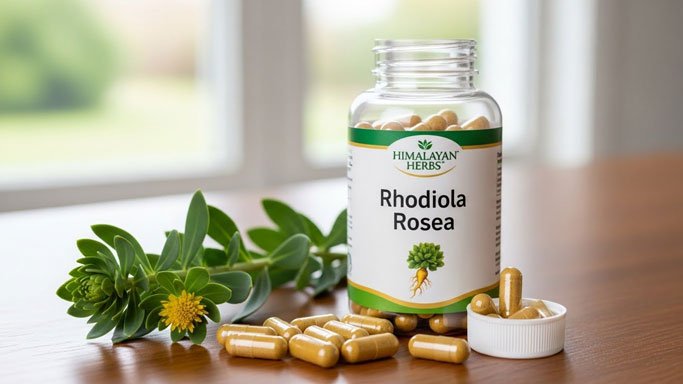
Athletes, bodybuilders, and performance-driven readers require edge-optimizing strategies. Rhodiola Rosea supplements occupy a crucial spot in many training stacks for their purported physical and mental benefits. Adaptogenic compounds like Rhodiola can potentially help manage fatigue, enhance endurance, and support focus during intense training cycles. This comprehensive guide details the science, use cases, regulatory status, and safety aspects of Rhodiola Rosea for high performers.
Key Takeaways
- Rhodiola Rosea is a natural adaptogenic supplement with robust traditional and emerging scientific support.
- May boost endurance, cognitive performance, and stress resilience for athletes.
- Research suggests rapid onset against fatigue with few reported adverse reactions.
- Synergizes well with training regimens but warrants attention to dosing and source purity.
- Widely legal, but best practices and third-party testing are crucial for competitive athletes.
Quick Facts Table
| Category/Class | Typical Form | Research Status | Typical Effects | Known Risks | Legal/Regulatory Status |
|---|---|---|---|---|---|
| Adaptogenic herb | Capsules, extracts | Moderate human data | Lower fatigue, improved focus | Mild GI upset, insomnia (rare) | Legal over-the-counter (global) |
What is Rhodiola Rosea?
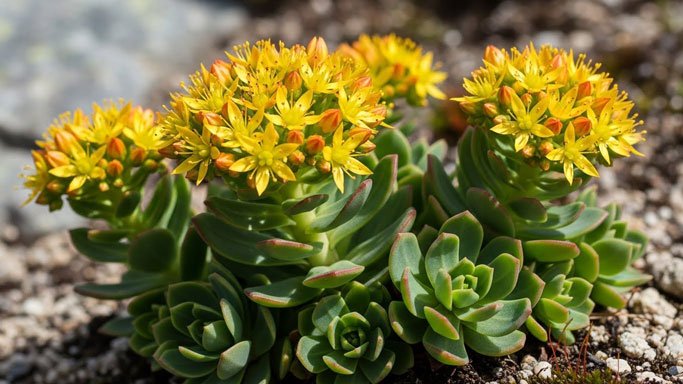
Rhodiola Rosea is a perennial flowering plant and classified as an adaptogen—a category of natural substances that help the body adapt to physical and mental stress. Its roots have been used traditionally in Russian, Scandinavian, and Chinese medicine to combat fatigue and increase work capacity. Among athletes, Rhodiola supplements are valued for supporting stamina, focus, and resilience to exertion, particularly during periods of intensive training or competition.
In scientific and regulatory discourse, Rhodiola is typically considered a dietary supplement rather than a drug. While more clinical trials are needed, mounting research supports its applications for cognitive and physical endurance. Legal status is generally clear: available without prescription in most countries as a food supplement, with no known restrictions in sport for the plant extract itself.
History & Development
Rhodiola Rosea has a history spanning centuries, especially in traditional Eurasian medicine. Historically used by Vikings, Soviet cosmonauts, and Himalayan Sherpas, its endurance-enhancing reputation has deep roots. Interest surged in the late 20th and early 21st centuries when Eastern European research began cataloging adaptogenic effects more systematically and Western researchers followed suit. Today, Rhodiola is widely available as a standardized supplement, with ongoing studies exploring its adaptogenic mechanisms and broader applications across fatigue syndromes and physical performance.
How Rhodiola Rosea Works
Mechanism of Action
- Increases cellular resistance to stress by modulating hypothalamic-pituitary-adrenal (HPA) axis activity
- Promotes balanced cortisol response, aiding recovery and reducing perceived effort
- Enhances mitochondrial energy metabolism, possibly via upregulation of ATP synthesis
- Supports regulation of neurotransmitters like serotonin, dopamine, and norepinephrine
Biological Effects
- Reduced markers of physical and mental fatigue
- Improved mood and focus under stress
- Enhanced aerobic endurance
- Increased antioxidant capacity
- Possible support for immune function
Benefits of Rhodiola Rosea

1. Enhanced Physical Endurance
Multiple studies report that Rhodiola supplementation improves exercise performance and stamina. In a double-blind, placebo-controlled trial, 24 young healthy volunteers ingested a single 200mg dose of Rhodiola extract. Compared to placebo, time to exhaustion during cycling increased significantly, suggesting the herb’s acute ergogenic potential for athletes during competition or rigorous training.
2. Reduction in Perceived Fatigue
Rhodiola is best known for its anti-fatigue properties. A 2012 study tracked 56 physicians on night shifts over two weeks, using 170mg Rhodiola extract daily. Participants noted improved mental performance and reduced fatigue, with effects evident from day 2 and sustained through the study’s end. This suggests practical benefits for athletes handling prolonged or repetitive training sessions.
3. Stress Resilience & Recovery Support
The adaptogenic mechanisms of Rhodiola have been shown to buffer psychological and physical stress. In a trial, 60 students received 200mg/day for 20 days during exam stress. Rhodiola led to less stress-induced fatigue and better mood compared to placebo, implying improved recovery and resilience for athletes under pressure.
4. Cognitive Function & Focus
Athletes benefit from mental clarity as much as physical prowess. A 2015 meta-analysis (PubMed – PMID: 26502953), encompassing eight RCTs, found that Rhodiola may improve attention, memory, and cognitive test scores, particularly during fatigue or stress. While effect sizes vary, acute cognitive enhancement appears promising in high-demand scenarios.
5. Antioxidant and Immune Support
Some evidence points to Rhodiola’s antioxidant action and possible support for immune health. Small trials suggest improved biomarkers of oxidative stress following supplementation, implying secondary benefits for athletes under physical duress, especially during intense training where immune suppression is a risk.
Side Effects & Safety
Rhodiola Rosea is generally well-tolerated at proposed doses, even over several weeks of continuous use. Most reported adverse effects are mild and rare. Still, high doses or sensitive users may occasionally experience side effects.
Mild Gastrointestinal Upset
Some users report nausea, stomach cramps, or indigestion. This is most often linked to higher doses or taking the supplement on an empty stomach. In controlled studies, GI complaints are uncommon, but sensitive individuals or those with existing stomach conditions should start with a lower dose.
Insomnia/Agitation
Because Rhodiola may act as a mild CNS stimulant, a minority experience increased alertness or trouble sleeping. This is more pronounced if taken late in the day. Dosing in the morning or early afternoon is generally recommended to minimize this risk.
Headache or Dizziness
Headaches have occasionally been reported in clinical trials. These effects are not routinely observed and do not appear dose-dependent. Ensuring proper dosage and hydration may reduce this possibility.
Allergic Reaction
Allergic reactions to Rhodiola are extremely rare but may manifest as rash, itching, or swelling. As with any botanical supplement, discontinue use if hypersensitivity develops.
Interactions
Rhodiola may interact with stimulants, antidepressants, or medications affecting dopamine or serotonin. Although no dangerous interactions have been well-documented, athletes on such medications should consult a healthcare professional prior to use.
Pros & Cons
| Pros | Cons |
|---|---|
| Proven endurance enhancement | Mild GI upset in rare cases |
| Rapid anti-fatigue effects | Possible insomnia if dosed late |
| Cognitive and focus support | Limited data on long-term use |
| Stress and recovery support | Rare headaches or agitation |
| Well-tolerated in most users | Potential interactions (CNS drugs) |
| Legal and easy to obtain | Not suitable for all populations |
| May synergize with other adaptogens | Possible batch-to-batch variability |
How To Use Rhodiola Rosea
Practical Usage Scenarios
Athletes most commonly use Rhodiola Rosea to increase training output, stave off fatigue during long competitions, and as an adjunct during periods of high psychological stress. For example, endurance runners may take it to battle late-race fatigue, while strength athletes might use it to promote mental clarity and resilience during high-volume, high-intensity blocks. Sports with long tournaments (e.g., tennis, MMA) may also benefit from its rapid onset and adaptability.
Timing, Forms, & Implementation
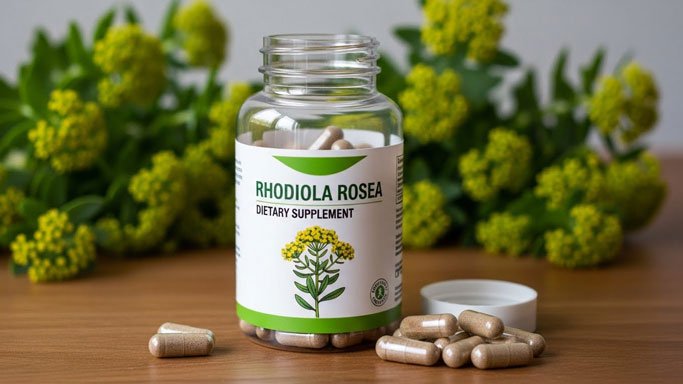
Rhodiola is usually taken as a standardized capsule/extract (with 1-3% rosavins and 0.8-1% salidroside). Evidence supports a single dose of 200mg 30-60 minutes pre-exercise for acute effects, and daily regimens of 170–400mg for ongoing anti-fatigue support. Form preference leans toward capsules for convenience and standardized potency, though tinctures and teas are also available.
Athletes should source from reputable suppliers providing third-party testing for purity and active marker content. Rhodiola does not currently appear on any major anti-doping agency list but confirm ingredient status for any competition.
Monitoring & Safety Notes
For ongoing use, consider periodic breaks (e.g., 2 weeks on, 1 week off) to maintain efficacy and monitor for side effects. While routine lab monitoring is not required as for performance-enhancing drugs, those with underlying conditions or on CNS/psychiatric meds should consult their doctor. No relevant internal pages found in sitemap.
Comparison to Similar Compounds
Comparison Table
| Compound | Primary Use | Mechanism | Effect Size | Risks | Regulatory Status |
|---|---|---|---|---|---|
| Rhodiola Rosea | Endurance/fatigue | HPA modulation/mitochondrial boost | Moderate acute | Mild GI/insomnia (rare) | Legal, OTC |
| Ashwagandha | Stress/testosterone | HPA/thyroid regulation | Mild-moderate | GI upset, drowsiness | Legal, OTC |
| Panax Ginseng | Energy/vitality | CNS/mitochondrial modulation | Mild-moderate | Insomnia, headache | Legal, OTC |
| Eleuthero | Immune/adaptogen | Mild HPA effect | Mild | GI upset | Legal, OTC |
| Cordyceps | VO2/Aerobic | NO/AMPK upregulation | Moderate (animal) | GI, risk if misidentified | Legal, OTC (mushroom source only) |
| Caffeine | Alertness/focus | Adenosine antagonism | High (acute) | Tolerance, jitters | Legal, monitored in sports |
| Creatine | Power/strength | ATP buffering/phosphocreatine pool | High in power | GI upset (rare) | Legal, OTC |
| Beta-Alanine | Endurance | Intramuscular pH buffering | Moderate-high | Tingling (paresthesia) | Legal, OTC |
Analysis
Rhodiola shares adaptogenic and anti-fatigue qualities with several other supplements but stands out for its speed of onset and legal clarity. Its effect size for acute mental-physical stamina is better established than most herbal adaptogens but less dramatic than caffeine or creatine for sheer power output.
Legality & Regulatory Status
- US FDA: Legal as dietary supplement, no drug claims allowed
- WADA: Not prohibited or monitored currently (check for updates)
- EMA (EU): Sold as food supplement, permitted
- UK MHRA: Permitted as herbal supplement
- Australia TGA: Permitted as complementary/OTC supplement
Where to buy “Rhodiola Rosea”?
Rhodiola Rosea supplements are legally available in health food stores, pharmacies, and online retailers in most countries. For quality and purity, athletes should seek products with third-party testing or standardized active marker labeling.
Alternatives to Rhodiola Rosea
Athletes seeking similar effects might consider:
- Ashwagandha: Shown to reduce stress and support mild increases in testosterone.
- Panax Ginseng: Linked to anti-fatigue and mild cognitive support.
- Cordyceps Mushroom: Used for aerobic support, though data is largely from animal studies.
- Eleuthero (Siberian Ginseng): Traditional adaptogen for endurance, though with milder effect size in human studies.
- Caffeine: Reliable acute stamina and alertness boost, but tolerance develops with daily use.
Frequently Asked Questions (FAQ)
- What is Rhodiola Rosea used for by athletes?
Rhodiola is mainly used to boost endurance, reduce fatigue, and support cognitive function under stress. It’s particularly valued for acute performance and rapid anti-fatigue effects. - How quickly does Rhodiola Rosea work?
Most studies report beneficial effects within 30–60 minutes of dosing. Some benefits, like anti-fatigue, manifest with a single dose. - Is Rhodiola Rosea legal in sports?
Yes, Rhodiola is legal and not banned by WADA or other major organizations. - What is the typical athletic dose?
Research supports 170–400mg/day for ongoing fatigue, or a 200mg dose 30–60 minutes pre-event; check extract standardization. - Can I take Rhodiola daily?
Yes, daily regimens are common in trials, but periodic breaks may sustain efficacy. - Does Rhodiola boost testosterone?
No convincing evidence that Rhodiola raises testosterone in humans. - What are the main side effects?
Mostly mild GI upset, rare insomnia, or headache; side effects are uncommon at standard doses. Most people tolerate it very well. - Can I combine Rhodiola with other supplements?
It is often paired with other adaptogens or nootropics, but check for drug interactions if using medications. - Will Rhodiola Rosea make me jittery?
Not typically, unless dosed very high or in sensitive individuals. - Can Rhodiola Rosea fail a drug test?
No, pure Rhodiola is not a prohibited substance. - Should I cycle Rhodiola Rosea?
Some athletes use 2–4 week cycles with breaks to avoid tolerance. - How do I know if my Rhodiola supplement is authentic?
Look for third-party tested brands, standardization of rosavins and salidroside, and transparent labeling. - Does Rhodiola help with mental focus?
Yes, evidence supports improved attention and reduced mental fatigue, especially under stress. - Is Rhodiola safe for women?
Yes, it’s considered safe across genders, but pregnant or breastfeeding women should consult a healthcare provider first. - Can I use Rhodiola during competition periods?
Yes, it’s suitable for both training and competition, but always verify with your sport’s regulations.
Conclusion
Rhodiola Rosea is a well-studied adaptogen that stands out for both rapid and sustained anti-fatigue and endurance support for athletes. Professionals and serious trainees can benefit from its use, provided quality sourcing and responsible dosing. Ongoing research continues to clarify its broader applications and long-term safety. As always, pair any supplement with expert guidance tailored to your unique training and health status.
Athlete’s Final Checklist
- Choose third-party tested Rhodiola supplements with clearly labeled active marker content
- Start at the low end of evidence-based dosing (e.g., 170–200mg) and titrate as tolerated
- Dose in the morning or early afternoon to avoid sleep disruption
- Watch for mild GI discomfort, insomnia, or headache—discontinue if persistent
- Consult your physician if you are taking medications affecting serotonin, dopamine, or CNS function
- Take periodic breaks (e.g., 2 weeks on/1 week off) to preserve effect
- Ensure compliance with any upcoming sport testing or organizational rules
- Prioritize Rhodiola as part of a broader, evidence-based recovery and training optimization plan