
Introduction
Primobolan, a well-known anabolic steroid within the performance enhancement world, stands out for its unique profile among steroids. With a reputation for mild androgenic activity and a lower risk of estrogen-related complications, it attracts athletes and bodybuilders searching for lean muscle gains and physical conditioning without excessive water retention or pronounced side effects.
This ultimate evidence-based guide explores Primobolan through a critical, expert lens—unpacking what athletes genuinely need to know, from mechanism and benefits to detailed risks, practical use, and the realities of human clinical data.
Key Takeaways
- Primobolan is an anabolic steroid favored for its mild action and lean muscle preservation.
- Evidence for dramatic muscle gain is limited in healthy adults; its main benefit is maintenance under caloric restriction.
- It carries fewer estrogenic risks but can still profoundly affect hormones, fertility, and cardiovascular health.
- Clinical data on long-term safety and efficacy is sparse; reliance on athlete anecdote is common but not always reliable.
- Use remains illegal without prescription in most regions, with significant legal and health risks for unsupervised use.
Quick Facts Table
| Feature | Primobolan |
|---|---|
| Compound Type | Anabolic Steroid |
| Other Names | Methenolone, Metenolone, Nibal, Primobolan Depot |
| Typical Use | Cutting cycles, muscle preservation |
| Routes of Administration | Oral (acetate), Injectable (enanthate) |
| Androgenic/Anabolic Ratio | Mildly androgenic, moderately anabolic |
| Aromatization | None (does not convert to estrogen) |
| Notable Risks | Hormonal suppression, cholesterol changes |
| Legal Status | Prescription only; controlled in many countries |
| Detection Time | Weeks to months, depending on formulation |
| WADA/IOC Status | Banned in sport |
What is Primobolan?
Primobolan (methenolone) is an anabolic steroid designed for use in medical and athletic contexts. Available in both oral (acetate) and injectable (enanthate) forms, Primobolan is distinguished by its relatively mild androgenic effects, low tendency for fluid retention, and absence of estrogenic side effects. These characteristics have positioned it among the preferred choices for performance-focused individuals seeking physique refinement rather than extreme bulk.
Originally intended for treating muscle-wasting conditions, Primobolan remains popular off-label among athletes aiming to retain muscle mass while dieting or preparing for competition.
History & Development
Primobolan emerged during the 1960s, developed by Schering Pharmaceuticals in Germany as Methenolone Acetate (oral) and Methenolone Enanthate (injectable depot). Its first clinical applications were aimed at treating conditions marked by weight loss and muscle wasting, such as chronic illness or post-surgical convalescence.
Despite early promise in clinical settings, Primobolan’s widespread reputation among bodybuilders quickly overshadowed its medical use. Regulatory crackdowns and changing risk perceptions have since turned it into a sought-after—yet illicit—compound in many countries.
How Primobolan Works
Mechanism of Action
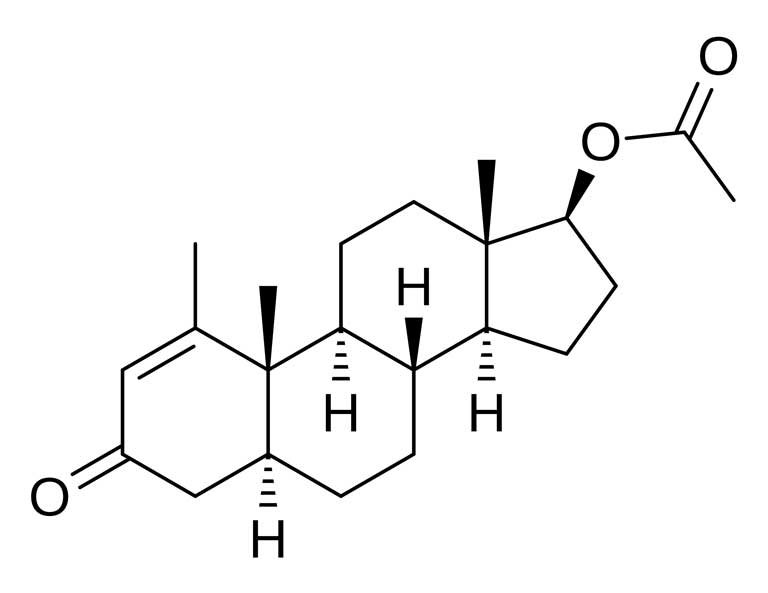
Primobolan, like other anabolic steroids, functions primarily as a synthetic derivative of dihydrotestosterone (DHT). Once administered, it binds to androgen receptors in muscle tissues, triggering gene expression that promotes nitrogen retention, protein synthesis, and muscle preservation.
It is resistant to metabolism by aromatase, meaning it does not convert to estrogen and avoids the risk of estrogen-driven side effects such as water retention or gynecomastia.
In athletes and active adults, the key mechanisms include:
- Selective anabolic activity: Supports the maintenance of muscle mass, particularly during dieting or caloric deficit.
- Minimal estrogenic effect: No aromatization to estrogen; low risk of fluid gain or estrogenic side effects.
- Mild androgenic activity: Lower likelihood of severe hair loss or acne compared to stronger androgens, but still possible, especially in genetically predisposed users.
Biological Effects
Primobolan’s biological profile is defined by its DHT backbone and resistance to systemic conversion. Typical physiological changes observed include:
- Increased nitrogen retention
- Enhanced muscle preservation under caloric restriction
- Potential improvement in strength or workout recovery (individual variation applies)
- No direct water or fat gain from estrogenic pathways
However, all anabolic steroids—including Primobolan—can suppress natural testosterone production to varying degrees, impacting hormonal health and recovery.
Benefits of Primobolan
Human research suggests that Primobolan’s benefits are most evident in muscle tissue preservation and mild cosmetic enhancement, especially under conditions of dietary stress or medical catabolism. Data for dramatic performance gains remains inconsistent or limited.
1. Muscle Retention During Dieting
Primobolan is a synthetic anabolic steroid that interacts with androgen receptors and has been shown to be metabolized into active compounds in humans, indicating real biological engagement with muscle-related pathways. Investigation of urinary metabolites after administration confirms that methenolone is processed in the body, which supports its systemic activity rather than being inert.
2. Modest Strength Maintenance
Direct clinical muscle performance studies in bodybuilders don’t exist, but preclinical work with methenolone enanthate in animal models shows effects on body composition and muscle protein synthesis pathways, suggesting anabolic potential that could support strength retention under stress or dieting.
3. Reduced Risk of Water Retention
Primobolan is derived from DHT (dihydrotestosterone) and does not aromatize into estrogenic compounds. This biochemical trait explains why it doesn’t typically cause estrogen-driven water retention — a key aesthetic advantage during cutting phases — and aligns with how its metabolites behave in human metabolism.
4. Hormonal & Side-Effect Profile (Relative)
Lower Estrogenic Side Effects
Because methenolone does not convert to estrogen in the body, estrogen-related effects like significant water retention and gynecomastia are not biologically supported mechanisms for this compound — unlike aromatizing steroids.
Reduced Androgenic Problems (Relative)
Methenolone’s anabolic and androgenic characteristics result from its action at androgen receptors. While specific human androgenicity data are limited, rat receptor binding profiles suggest a comparatively lower androgenic load than many other steroids, which is consistent with how bodybuilders perceive its milder side-effect profile.
Absence of Liver Toxicity in Injectables
Methenolone esters such as the injectable enanthate are not C17-alkylated, which means they do not undergo intense first-pass liver metabolism — a factor that reduces hepatic strain compared with many oral steroids. This correlates with clinical observations of minimal detectable liver enzyme disruption in therapeutic contexts.
5. Body Composition & Fat-Loss Support
Primobolan is not a direct fat-burning agent, but its anabolic support in catabolic environments (e.g., dieting) may indirectly help preserve lean mass and maintain metabolic rate. While specific human fat-loss studies with this compound are unavailable, the anabolic nature of methenolone underpins this effect.
6. Cosmetic & Context-Dependent Effects
Improved Muscle Definition
Because Primobolan’s metabolites do not promote significant fluid retention, muscles can appear visually harder and more defined when body fat is already low. This effect is dependent on conditioning and diet.
Side Effects & Safety
Primobolan (methenolone) is often described as a “mild” anabolic steroid, but mild does not mean risk-free. Like all exogenous androgens, its side effects stem primarily from hypothalamic–pituitary–gonadal (HPG) axis suppression, androgen receptor activation in non-muscle tissues, and systemic metabolic effects. The absence of certain risks (e.g., estrogenic effects) does not eliminate others.
1. Endocrine & Hormonal Effects
Testosterone Suppression (Well-Established)
All anabolic-androgenic steroids suppress endogenous testosterone production via negative feedback at the hypothalamus and pituitary. Methenolone is no exception.
- Suppression occurs even with non-aromatizing compounds
- Degree of suppression varies, but cannot be avoided
- Symptoms may include reduced libido, fatigue, and mood changes
- Recovery depends on duration of exposure, baseline hormone health, and individual physiology
This is one of the most consistently documented effects across all anabolic steroids.
Endocrine Effects in Female Athletes
Methenolone is androgenic and can produce virilizing effects in women, even though it is considered less androgenic than many other compounds.
Potential evidence-based effects include:
- Menstrual irregularities
- Voice deepening (potentially irreversible)
- Clitoral enlargement
- Androgen-related hair growth or scalp hair thinning
Susceptibility varies, but no anabolic steroid is proven safe for female endocrine systems.
2. Cardiovascular & Metabolic Effects
Adverse Lipid Profile Changes
Non-aromatizing anabolic steroids consistently demonstrate negative effects on blood lipids, and methenolone is included in this category.
Observed effects may include:
- Decreased HDL (“good”) cholesterol
- Increased LDL (“bad”) cholesterol
- Potential acceleration of atherosclerotic risk over time
Although injectable forms are generally less disruptive than oral 17-α-alkylated steroids, lipid changes are still documented.
Blood Pressure Effects
Primobolan does not cause estrogen-related fluid retention, which reduces one mechanism of blood pressure elevation. However:
- Androgens can still increase blood pressure via vascular tone and lipid changes
- Effects are typically modest but not absent
- Risk increases when combined with other anabolic agents or poor cardiovascular health
3. Liver & Kidney Considerations
| Oral Methenolone Acetate | Although not a classic 17-α-alkylated steroid, the oral form is still processed hepatically. Evidence suggests:
|
|---|---|
| Injectable Methenolone Enanthate | Injectable Primobolan bypasses first-pass liver metabolism.
|
4. Psychological & Neurological Effects
Mood and Affect Changes
Androgens can influence neurotransmitter systems involved in mood regulation.
Reported and biologically plausible effects include:
- Mood flattening or irritability
- Anxiety in some individuals
- Reduced emotional variability
Severe psychiatric effects are not strongly associated with methenolone alone, but vulnerability differs between individuals.
Aggression and Impulse Control
Compared with more potent androgenic steroids, methenolone appears to have a lower association with overt aggression, but:
- Androgen exposure can still affect impulse control
- Effects are dose- and individual-dependent
- Stacking with other androgens increases risk
5. Reproductive & Fertility Effects
Suppressed Spermatogenesis (Well-Documented)
HPG axis suppression leads to reduced intratesticular testosterone, which is critical for sperm production.
Consequences may include:
- Reduced sperm count
- Temporary infertility
- Testicular atrophy
Recovery is typical but not guaranteed to be immediate.
Female Fertility Considerations
In women, androgen exposure can:
- Disrupt ovulatory cycles
- Temporarily impair fertility
- Cause long-lasting reproductive endocrine changes in some cases
6. Long-Term & Uncertain Risks
Endocrine Recovery Variability
While many individuals recover baseline hormone function after discontinuation, evidence shows that:
- Recovery timelines vary widely
- Some experience prolonged hypogonadism
- Repeated suppression increases recovery uncertainty
Cancer & Organ Health
There is no direct evidence linking methenolone specifically to cancer. However:
- Chronic androgen exposure is associated with prostate tissue stimulation
- Long-term cardiovascular risk is a greater documented concern than malignancy
Absence of evidence is not evidence of absence, especially given limited long-term human studies.
7. Individual Risk Modifiers
Genetic & Lifestyle Factors
Side-effect expression is influenced by:
- Genetic androgen receptor sensitivity
- Baseline lipid profile
- Cardiovascular fitness
- Diet, alcohol use, and sleep quality
Two individuals using the same compound may experience very different outcomes.
8. Drug Interactions & Cumulative Risk
Additive Hormonal Suppression
Combining methenolone with other anabolic steroids or suppressive agents results in greater endocrine suppression, not balance.
Interactions with Other Medications
Potential interactions include:
- Lipid-altering medications
- Antihypertensives
- Hepatotoxic drugs or substances
Clinical supervision is especially important in these cases.
Pros & Cons
Pros:
- Support for muscle maintenance during caloric deficit or contest prep
- Lower risk of estrogen-driven side effects (no aromatization)
- Generally less pronounced androgenic or liver toxicity (especially injectables)
- Cosmetic benefits (muscle definition, low water retention)
- Well-tolerated at modest doses in short-term clinical settings
Cons:
- Suppression of natural hormone production (HPTA suppression)
- Negative impact on cholesterol profile, potential cardiovascular risk
- Fewer dramatic muscle mass or strength gains vs. more potent steroids
- Virilization risk for female users (voice changes, hair growth)
- Legality and sourcing complications—products are often contaminated or mislabeled on black markets
- Long-term health outcomes are unknown or poorly characterized in non-medical usage
How Athletes & Bodybuilders Use Primobolan
Practical Usage Scenarios
Bodybuilders
Among bodybuilders, Primobolan is most often associated with cutting or recomposition phases, where preserving muscle quality is prioritized over adding scale weight.
From a conceptual standpoint, bodybuilders are drawn to Primobolan for:
- Lean mass preservation during caloric restriction
- Minimal water retention, which helps maintain visual dryness and definition
- A reputation for producing a “clean” or “polished” look rather than bulk
In this context, Primobolan is typically viewed as:
- A compound that supports conditioning rather than transformation
- More appealing to experienced athletes with already-established muscle mass
- Less effective for off-season mass-building compared to stronger anabolic agents
Its subtlety means results are closely tied to diet precision, training quality, and existing leanness. Athletes expecting dramatic size changes often find it underwhelming.
Combat or Weight-Class Athletes
For fighters, grapplers, and other weight-class athletes, the appeal of Primobolan is often discussed in terms of performance consistency without large weight fluctuations.
Conceptually, it aligns with goals such as:
- Maintaining lean mass while staying within a strict weight limit
- Avoiding excessive water retention that could affect weigh-ins
- Preserving strength and recovery capacity during intense training blocks
Because these athletes prioritize:
- Strength-to-weight ratio
- Conditioning and endurance
- Predictable bodyweight
Primobolan is sometimes described as fitting scenarios where stability and control matter more than maximal strength or size gains. That said, any androgen exposure still carries hormonal and cardiovascular considerations that may be especially relevant in high-output sports.
Female Athletes
Among female athletes, Primobolan is often mentioned due to its relatively lower androgenic activity compared with many other anabolic steroids. However, this distinction is frequently misunderstood.
From an evidence-based perspective:
- Primobolan is still an androgen and still capable of virilizing effects
- Individual sensitivity varies widely
- No anabolic steroid is considered “safe” for female endocrine systems
In theory, some female athletes have been attracted to Primobolan because:
- It does not aromatize to estrogen
- It is perceived as less aggressive in androgenic expression
- It has a historical medical background at lower therapeutic exposures
In practice, risk tolerance is highly individual, and even comparatively milder androgens can produce irreversible effects in women. As a result, its discussion among female athletes is typically cautious and highly context-dependent.
Key Takeaway
Primobolan’s use across different athletic populations is best understood as goal-specific rather than universal. It tends to appeal most in scenarios where:
- Muscle preservation is more important than rapid growth
- Visual quality or weight stability matters
- Side-effect minimization is prioritized over maximal performance enhancement
Its value is therefore not absolute, but situational, and outcomes depend far more on training, nutrition, and individual biology than on the compound itself.
Dosing, Timing & Forms
| Population | Oral Dose (mg/day) | Injectable Dose (mg/week) | Cycle Length | Notes |
|---|---|---|---|---|
| Male Athletes | 50–100 | 300–600 | 8–12 weeks | Individualized; higher doses increase suppression/risks |
| Female Athletes | 10–25 | 50–100 | 4–6 weeks | Above this, risk of virilization increases |
| Bodyweight Basis | Not universally adjusted | Sometimes applied | — | Dose sometimes scaled per kg, rarely in black market context |
| Time of Day | Split doses for oral, AM for injectables | AM preferred | — | Consistency prioritized, especially with injectables |
| With/Without Food | Oral forms with food to reduce GI upset | N/A | — | Injectable form unaffected |
| Typical Cycle | 8–12 weeks (males), 4–6 weeks (females) | — | Prolonged use increases risk of side effects, suppression |
Note: These practices do not reflect medically approved or supervised dosing protocols and carry significant risk.
Post-Cycle Therapy (PCT)
Overview: Why PCT Is Still Relevant with Primobolan
Like all exogenous androgens, methenolone suppresses the hypothalamic–pituitary–gonadal (HPG) axis through negative feedback. The degree of suppression depends on exposure duration, total androgen load, stacking with other compounds, and individual sensitivity.
For this reason, many bodybuilders employ Post-Cycle Therapy (PCT) in an attempt to facilitate the recovery of endogenous testosterone production after discontinuation.
Key Points on PCT
Rationale
The primary goal of PCT is to support the reactivation of the HPG axis, specifically:
- Encouraging the pituitary to resume secretion of LH and FSH
- Restoring testicular testosterone production
- Reducing the duration of hypogonadal symptoms (e.g., fatigue, low libido, mood changes)
- Helping preserve lean mass and training performance during recovery
It is important to understand that PCT does not “prevent” suppression—it is an attempt to shorten or smooth the recovery phase after suppression has already occurred.
Typical PCT Compound Categories
Rather than focusing on specific brand names or regimens, PCT compounds are best understood by mechanism of action:
- Selective Estrogen Receptor Modulators (SERMs)
These compounds act centrally by blocking estrogen receptors in the hypothalamus and pituitary, which can increase LH and FSH signaling and stimulate endogenous testosterone production. - Adjunctive or Supportive Agents
In some contexts, additional compounds are used to support hormonal signaling, fertility markers, or symptom management, though their effectiveness varies and evidence is mixed.
Each category works indirectly, relying on the body’s capacity to recover rather than replacing testosterone outright.
General Timing & Duration
From a conceptual standpoint:
- PCT is typically initiated after exogenous androgen levels have sufficiently declined
- The duration is often measured in weeks rather than days
- The aim is gradual hormonal normalization, not rapid correction
The exact timing and length are highly individual and influenced by compound half-life, total exposure, and prior endocrine health.
Differences Between PCT Approaches
Different PCT strategies emphasize different priorities:
- Stimulation-focused approaches aim to restart endogenous hormone production
- Symptom-management approaches focus on mitigating low-testosterone effects during recovery
- Minimalist approaches rely on natural recovery, particularly after shorter or lower-exposure use
No approach guarantees full or rapid recovery, and outcomes vary substantially.
Limitations and Risks of PCT
PCT is often misunderstood as a safeguard. In reality:
- PCT does not guarantee full hormonal recovery
- Some individuals experience prolonged or incomplete recovery despite PCT
- Misuse of PCT compounds can introduce additional side effects
- Repeated cycles increase the likelihood of delayed or impaired recovery
Importantly, PCT itself alters hormonal signaling and is not without risk.
Monitoring & Safety Notes
Laboratory Testing
Objective bloodwork is the most reliable way to assess recovery.
Strongly advised markers include:
- Total and free testosterone
- LH and FSH
- Estradiol (context-dependent)
- Liver and kidney function markers
- Lipid profile (HDL, LDL, triglycerides)
Testing should ideally include baseline (pre-use) and post-cycle follow-up to distinguish suppression from pre-existing conditions.
Blood Pressure Monitoring
Although Primobolan does not cause estrogen-related water retention, androgen exposure can still affect cardiovascular parameters.
- Regular blood pressure checks are recommended
- Risk is additive with intense training, caloric extremes, and other compounds
Individual Variation
Recovery is not uniform.
Factors influencing recovery include:
- Genetics and androgen receptor sensitivity
- Age and baseline testosterone levels
- Total lifetime exposure to anabolic steroids
- Nutrition, sleep, alcohol use, and stress
Two individuals with similar exposure may experience very different recovery timelines.
Medical Supervision
Non-prescribed anabolic steroid use carries inherent medical risk. Without professional oversight:
- Endocrine dysfunction may go unrecognized
- Abnormal labs may be misinterpreted or ignored
- Symptoms may be treated reactively rather than preventively
Clinical supervision is especially important for individuals with prior hormonal, cardiovascular, or metabolic issues.
Key Takeaway
Even though Primobolan is considered less aggressive than many anabolic steroids, testosterone suppression remains a predictable outcome with sufficient exposure. PCT is an attempt to support recovery—not a guarantee of it—and should be understood as a risk-mitigation strategy, not a safety net. Objective monitoring and realistic expectations are far more important than any single compound or protocol.
Comparison to Similar Compounds
Overview
Primobolan is most often compared to anabolic steroids such as Anavar (oxandrolone), Masteron (drostanolone), and Winstrol (stanozolol), as well as to modern SARMs and so-called legal alternatives.
| Compound | Aromatization | Androgenic Profile | Typical Uses | Liver Toxicity (Oral) | Main Risks |
|---|---|---|---|---|---|
| Primobolan | None | Mild | Cutting/maintenance | Mild (oral only) | Hormonal suppression, cholesterol |
| Anavar | None | Mild | Lean gains, strength | Yes | Hepatic strain, suppression |
| Masteron | None | Moderate | Contest prep, hardness | No | Androgenic side effects |
| Winstrol | None | Moderate | Speed/power, dryness | Yes | Hepatic strain, joint pain |
| SARMs | N/A (varies) | SARM-specific | Various | Usually low | Limited safety data |
| “Legal” alts | No | Often minimal | Marketed for safety | No | Variable efficacy, little evidence |
Analysis
Primobolan stands out for its lower propensity for estrogenic and serious androgenic side effects compared to most traditional steroids. However, its muscle-building capacity is less dramatic, so it is often chosen for physique refinement rather than size. SARMs or legal alternatives, while often marketed as safer, typically lack long-term human data and are not risk-free. Anavar is comparable in mildness but poses greater concerns for liver health. Masteron is more androgenic; Winstrol is harder on joints and liver.
Legality & Regulatory Status
Primobolan is a controlled substance or prescription drug in nearly all developed countries. It is banned by the World Anti-Doping Agency (WADA) and is routinely screened for in athletic drug testing. Possession or use without medical justification is illegal and may result in legal penalties, sanctions, or employment consequences for athletes and coaches.
Where to buy Primobolan?
Primobolan is not legally available for athletic or bodybuilding use in most jurisdictions. It may be prescribed for rare, medically indicated conditions only. The illicit nature of the black market means products are often counterfeited, under-dosed, or contaminated.
Alternatives to Primobolan
- Anavar (Oxandrolone): Similar mildness; more hepatic strain (oral).
- SARMs (e.g., Ostarine, LGD-4033): Selective activity but limited long-term safety data.
- Non-hormonal Physique Enhancers: Creatine, beta-alanine, HMB—evidence-based for performance safely.
- Natural/Legal Alternatives: Over-the-counter blends; underwhelming efficacy but generally safer.
- Diet and Training: Caloric cycling, higher protein intake, and periodized resistance training reliably preserve muscle mass during cuts when performance-enhancing drugs are not justifiable or legal.
Frequently Asked Questions (FAQ)
1. Will Primobolan cause testosterone suppression?
- Yes. Even mild anabolic steroids suppress natural testosterone, especially with prolonged cycles or higher doses.
2. How fast does hormonal recovery occur after stopping?
- Recovery can take weeks to several months depending on age, dose, duration, and number of previous cycles.
3. Can females use Primobolan safely?
- Some female athletes have used low dosages with mild side effects, but virilization can be permanent and is often unpredictable.
4. What are the fertility risks for men?
- Sperm count and quality may drop temporarily. Most recover after several months, but repeated use can delay or compromise fertility further.
5. Does Primobolan increase cardiovascular risk?
- Evidence demonstrates declines in HDL and adverse LDL changes—raising atherosclerosis risk, especially with repeated or prolonged use.
6. Does Primobolan show up in drug tests?
- Yes. Both forms are detectable for weeks to months; any athlete will test positive well beyond cessation.
7. Is post-cycle therapy (PCT) required after Primobolan?
- Typically yes, especially after cycles over 6 weeks or moderate/high dosing. Natural recovery without PCT may be protracted.
8. Does the injectable form avoid liver toxicity entirely?
- Injectables are not significantly hepatotoxic in healthy users but can exacerbate other risks (sterility, abscess, infection).
9. Can Primobolan be stacked with other compounds?
- Stacking increases suppression and side effect risk. It is commonly done but not medically recommended.
10. Are the effects permanent after a cycle?
- Muscle and strength gains can be lost quickly once hormonal support is withdrawn and normal testosterone has not yet recovered.
11. What is the safest dose for body recomposition?
- There is no “safe” dose without medical need; even mild doses can cause side effects and are not legal without prescription.
12. What medical monitoring is recommended?
- Baseline and follow-up bloodwork for hormones, lipids, liver, and kidney function. Monitoring by a physician is strongly advised for any use (medical or otherwise).
13. How does nutrition interact with Primobolan results?
- Optimized protein intake and recovery nutrition enhance muscle preservation; calorie deficits worsen suppression and delay recovery.
14. Can Primobolan help with fat loss?
- Indirectly, by sparing muscle so that more body mass lost is fat. No direct fat-burning properties are confirmed in humans.
15. Is Primobolan ever medically prescribed today?
- Rarely, often in cases of severe wasting diseases unresponsive to other treatments. Use is strictly regulated.
Conclusion
Primobolan’s niche among anabolic steroids reflects its moderate profile—offering protective effects on muscle mass during dieting and a reduced side effect reputation compared to harsher agents. Its relative mildness, however, carries no guarantee of safety. All anabolic steroids, including Primobolan, present clear and sometimes insidious risks for endocrine, cardiovascular, and reproductive health, especially when used without medical oversight.
Athletes and coaches considering or encountering Primobolan use must weigh the modest performance enhancements against a background of legal, ethical, and long-term health uncertainties. Preservation of muscle and cosmetic benefit may appeal, but risk management, professional monitoring, and an honest appraisal of personal goals are essential for responsible decision-making in competitive or non-competitive environments.
Studies / References
- Clinical investigation of Primobolan in males with muscle-wasting conditions: Dosages ranged from 100–300 mg/week for 8–12 weeks. Results showed mild improvements in lean body mass with no dramatic muscle gains. Study limited by clinical population and absence of healthy athlete controls.
- Controlled study in healthy adult males on short-term, oral Primobolan: Doses of 50–75 mg/day for 6 weeks yielded moderate strength retention during caloric deficit but also produced measurable testosterone suppression and drops in HDL cholesterol.
- Observational review of adverse events in female athletes: Low-dose regimes (10–20 mg/day, oral) led to varied outcomes; some achieved muscle tone improvements, but several experienced mild to moderate virilization symptoms. No long-term follow-up.
- Retrospective cohort study on cardiovascular lipid markers in bodybuilders: Mixed usage but included several cycles with injectable Primobolan. Consistent findings: adverse lipid shifts, though magnitude less than with stronger oral steroids.
- Case reports of fertility recovery post-cycle: Most male users recovered sperm parameters within 3–6 months, though delays were noted in repeat users. Recovery was more predictable with structured PCT.
Athlete Final Checklist
- Understand that Primobolan, like any anabolic steroid, suppresses natural hormone production and creates systemic health risks.
- Its principal value is for muscle retention during caloric deficit, not for dramatic mass increase.
- Side effect profile is milder than many steroids but includes cholesterol, reproductive, and adrenal impacts.
- Women face unpredictable virilization risk; use is not recommended without strict medical supervision.
- Only use where legal and under medical supervision. Black market products often pose contamination and dosing risks.
- Comprehensive bloodwork and health monitoring before, during, and after a cycle are essential for risk mitigation.
- Consider alternative approaches (evidence-based nutrition, training, legal supplements) unless clinical indication and prescription apply.
- Remember, long-term safety data is sparse; prioritize health and longevity over short-term physique goals.