
Introduction
PQQ (pyrroloquinoline quinone) is an emerging supplement attracting interest among athletes and fitness enthusiasts for its potential roles in energy metabolism, recovery, and cognitive function. As research on PQQ expands, understanding its actual evidence, limitations, and applicability for performance-oriented individuals becomes crucial.
This comprehensive profile critically examines PQQ—its human evidence, mechanisms, potential benefits, downsides, real-world athlete scenarios, and comparison to established ergogenic aids. The goal: to equip athletes and coaches with an objective, up-to-date view on where PQQ fits, and where its claims exceed the science.
Key Takeaways
- PQQ is a redox cofactor with roles in mitochondrial functioning, cellular energy, and antioxidant defense.
- Human studies on PQQ are limited and largely exploratory; robust trials in athletic populations are scarce.
- Some evidence suggests potential support for recovery, cognition, and general oxidative balance. Direct performance benefits are unproven.
- Safety appears acceptable at moderate doses, but long-term and high-dose human data are lacking.
- PQQ is not on banned substance lists but is not universally recognized as a performance-enhancing supplement.
- Alternatives with stronger athletic evidence exist, especially for power, endurance, or recovery.
Quick Facts Table
| Attribute | Details |
|---|---|
| Compound Name | PQQ (Pyrroloquinoline Quinone) |
| Compound Type | Supplement |
| Common Forms | Capsules, powders |
| Typical Dose Range | 10–20 mg/day (human supplement trials) |
| Main Proposed Benefit | Mitochondrial support, antioxidant effects |
| Evidence Strength | Preliminary in humans – limited in athletes |
| Legality | Not banned (as of current regulations) |
| Natural Sources | Trace in fermented foods, plants |
What is PQQ?
Pyrroloquinoline quinone (PQQ) is a redox-active compound originally discovered in bacteria and plants. In nutritional contexts, it is referred to as a “novel biofactor” and considered by some as a vitamin-like micronutrient due to its catalytic activity in mitochondrial enzymes. PQQ is present in trace amounts in various foods, such as fermented soybeans, kiwifruit, and green peppers. Supplemental PQQ is synthesized for human use and marketed for its potential to support cellular energy production and reduce oxidative stress.
History & Development
PQQ gained attention in the late 20th century after its discovery as a bacterial coenzyme. Its possible relevance for mammalian biology was proposed when animal studies showed growth, fertility, and mitochondrial effects in rodents lacking dietary PQQ. Human attention followed small studies on its antioxidant and cell-signaling properties.
Commercialization as a dietary supplement emerged after its safety recognition (GRAS status in the US). Athletes and fitness-focused users became interested due to claims about mitochondrial biogenesis, cellular repair, and cognitive effects. However, robust evidence in humans, especially in physically active individuals, remains early-stage.
How PQQ Works
Mechanism of Action
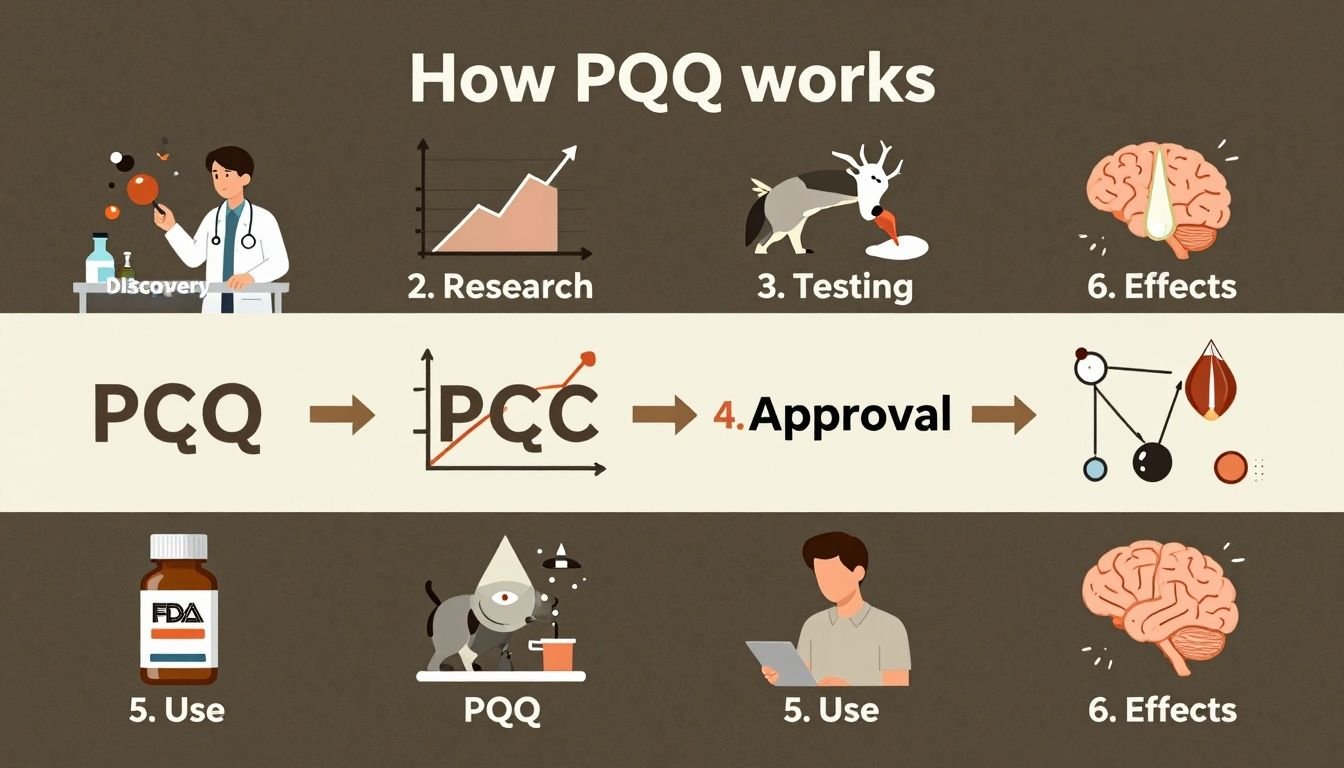
PQQ acts as a redox cofactor, shuttling electrons in cellular metabolic pathways. In the body, its best-characterized role involves supporting mitochondrial enzymes that regulate the conversion of nutrients into usable energy (ATP).
- Oxidative Support: PQQ can be repeatedly reduced and oxidized, enhancing antioxidant defenses and reducing reactive oxygen species (ROS) in cellular structures.
- Mitochondrial Biogenesis: Laboratory models (mainly in animals and cell cultures) show that PQQ may activate pathways that increase the number and efficiency of mitochondria – the energy-producing organelles vital for muscle activity and endurance. In humans, direct mitochondrial expansion from PQQ supplementation has not been conclusively demonstrated.
- Cellular Signaling: PQQ modulates genes associated with cell survival, repair, and inflammation. This could hypothetically translate to improved recovery or tissue resilience, but such effects are not robustly proven in healthy or athletic humans.
Biological Effects
- Antioxidant Capacity: PQQ is a potent redox cycling agent, able to neutralize multiple ROS molecules without being rapidly degraded. This positions it as a unique cellular antioxidant.
- Energy Metabolism: By assisting specific mitochondrial dehydrogenases, PQQ enhances glucose utilization and energy transfer in lab models. Application to human sports performance, however, is mostly speculative at this stage.
- Neuroprotection: Preclinical findings suggest PQQ may protect nerves from oxidative damage. Preliminary human studies indicate improved subjective vigor and alertness under some conditions, but not every trial confirms these benefits.
- Inflammatory Balance: PQQ appears to down-regulate pro-inflammatory markers in some test systems. Data on real athletes or after strenuous activity remains insufficient.
Benefits of PQQ
Potential Support for Mitochondrial Health
Some human trials indicate that PQQ supplementation may improve markers of mitochondrial efficiency, especially in populations experiencing fatigue or suboptimal metabolic health. Evidence in healthy, trained athletes is minimal and does not demonstrate clear advantages for endurance, strength, or overall capacity. The theoretical benefit would be improved energy output and cellular resilience, but these outcomes require more direct testing in performance contexts.
Antioxidant and Oxidative Stress Management
PQQ demonstrates antioxidant action in vitro and in animal models, with some human studies showing lower markers of oxidative stress in blood or urine following supplementation. These findings suggest a possible protective effect against exercise-induced oxidative damage, which could support recovery or reduce muscle soreness. However, results are mixed and benefits do not consistently translate into improved functional performance post-exercise.
Cognitive Effects and Perceived Vigor
Exploratory research in middle-aged adults and those under mental stress indicates an association between PQQ use and improvements in self-reported alertness, attention, or mood. For athletes, these cognitive domains are relevant for focus, motivation, and resilience in training. Objective measures of cognition show small or nonsignificant changes. Evidence in young, healthy adults is weaker than in fatigued or stressed individuals.
Inflammation and Recovery
Preliminary investigations reveal that PQQ may lower certain blood markers of inflammation and modulate immune signaling. It is theorized this could promote faster recovery after strenuous workouts or competition. To date, direct measures of functional recovery, muscle soreness, or immune suppression after heavy training are lacking in PQQ-specific human trials.
General Health Support (Limited Evidence)
Some proponents highlight PQQ’s possible effects on cardiovascular health, glucose metabolism, and sleep quality. Human studies are generally small, of short duration, and inconsistent in findings. No firm benefits for cardiovascular performance or disease risk in athletes have been demonstrated.
Side Effects & Safety
Tolerability in Supplement Ranges
Most reported human trials using PQQ (10–20 mg/day) indicate good tolerability in adults over several weeks. Adverse effects are rare, generally mild, and usually resemble standard supplement risks (mild digestive upset, headache). Incidence of side effects does not appear higher than placebo at these dosages.
Lack of Long-Term and High-Dose Safety Data
Extended use (many months or years) and very high doses (beyond those tested clinically) lack robust human safety data. No chronic organ toxicity has been observed, but data beyond 12–16 weeks is especially sparse. Prudent intake and periodic safety monitoring are recommended for those choosing to use PQQ supplements.
Interactions
No clinically significant drug or supplement interactions with PQQ have been reported in the available human literature. However, as with any novel supplement, those on prescription medications or with chronic health conditions should consult with a healthcare provider before beginning regular use.
Pros & Cons
| Pros | Cons |
|---|---|
| Potent cellular antioxidant | Limited direct evidence for athletes |
| Potential mitochondrial support | Most trials in non-athlete populations |
| Generally well-tolerated short term | Long-term safety not established |
| No known drug interactions | Expensive relative to traditional supplements |
| Not on banned lists | Little effect on classic ergogenic outcomes |
How Athletes & Bodybuilders Use PQQ
Practical Usage Scenarios
- Athletes seeking to support cellular energy or oxidative balance during intense training cycles.
- Individuals recovering from overreaching, seeking general support for fatigue and recovery.
- Those interested in cognitive function during high-demand competitions, though evidence for direct performance improvement is limited.
Timing, Forms, & Implementation
- Most supplement protocols use 10–20 mg PQQ daily, taken in the morning with food.
- Common forms include pyrroloquinoline quinone disodium salt capsules or tablets.
- There is no standardized cycling protocol or loading phase for athletic applications.
Monitoring & Safety Notes
- Monitor for rare but possible digestive upset or headache.
- Consider periodic breaks from long-term supplementation pending more data.
- Individuals with metabolic or mitochondrial disorders should consult a clinician before use.
Comparison to Similar Compounds
Overview
| Attribute | PQQ | CoQ10 | Creatine |
|---|---|---|---|
| Main Action | Redox/mitochondria | Mitochondria/antioxidant | ATP/phosphagen system |
| Athletic Evidence | Limited | Moderate (endurance/aging) | Strong (power/strength) |
| Cognitive Effects | Possible | Weak-moderate | Weak |
| Safety Profile | Good short-term | Excellent | Excellent |
| Cost | Higher | Moderate | Low |
| Doping Risk | None | None | None |
Analysis
In comparison to established compounds such as CoQ10 and creatine, PQQ offers a different mechanistic profile but lacks the volume and consistency of human trial data in athletes. For direct improvements in strength, power, and muscle mass, creatine remains the gold standard. CoQ10 has modest evidence for endurance and general energy, especially in older populations. PQQ’s best-supported role is as a cellular redox agent, beneficial for users prioritizing mitochondrial and antioxidant support, but not for ergogenic performance enhancement.
Legality & Regulatory Status
As of the latest regulatory updates, PQQ is not classified as a prohibited substance by WADA or other major sports governing bodies. It is available over-the-counter in many countries and typically recognized as safe when used in supplement-appropriate doses. However, athletes competing internationally should check local regulations and ensure their product is sourced from reputable suppliers to minimize contamination risks.
Where to buy “PQQ”?
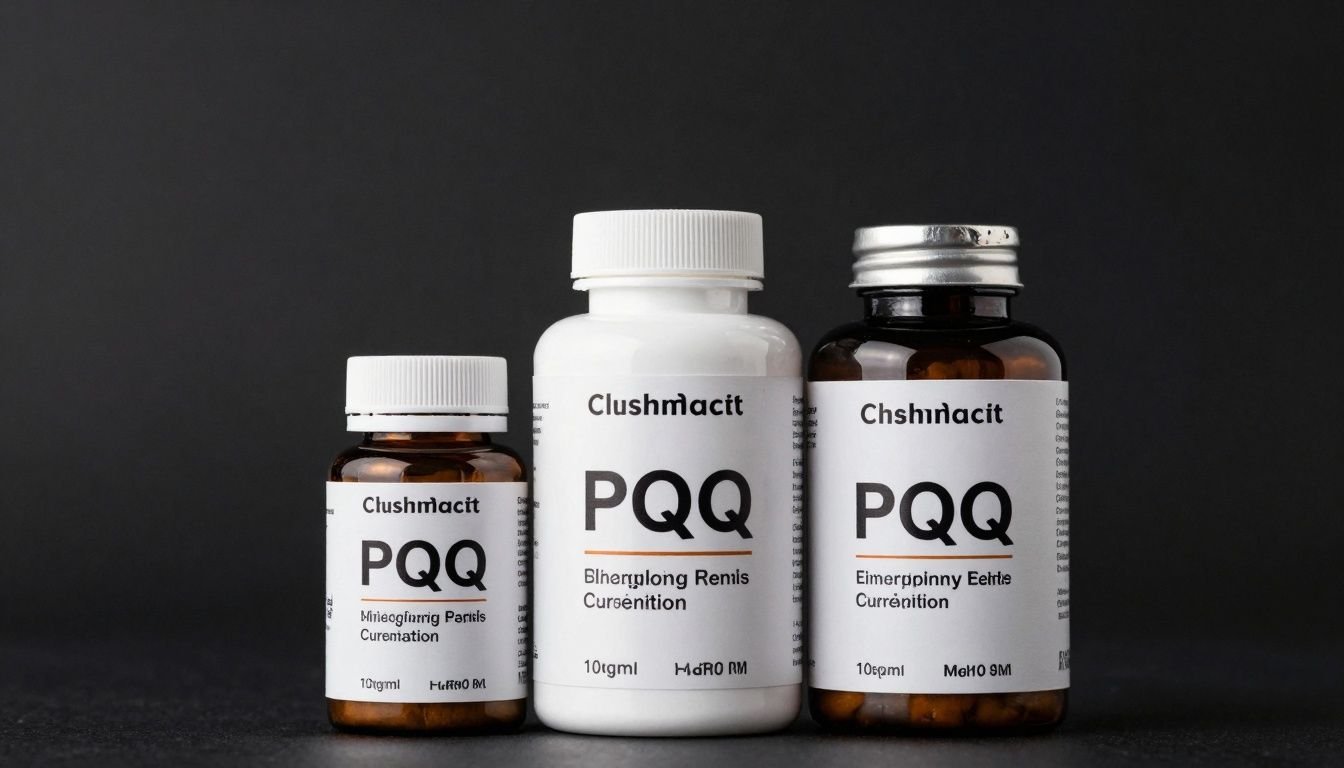
PQQ supplements are widely available online and through specialty nutrition retailers. As with any supplement, quality control and product verification are crucial; athletes are encouraged to choose products tested by third-party certification organizations (e.g., NSF Certified for Sport, Informed Sport) to avoid banned substance contamination.
Alternatives to PQQ
- Creatine monohydrate: Strongest evidence for strength, power, and body composition enhancement.
- Coenzyme Q10 (CoQ10): More studied for mitochondrial health, especially in older adults and those with cardiovascular conditions.
- Beta-alanine: Supports muscular endurance by buffering lactic acid in high-intensity efforts.
- Carnosine, glutathione: Other endogenous antioxidants with more established athletic research.
- Dietary strategies: Antioxidant-rich diets, proper recovery protocols, and periodized training remain foundational for athletic performance and health.
Frequently Asked Questions (FAQ)
Is PQQ natural or synthetic in supplements?
Most supplemental PQQ is synthetically produced to ensure purity, though trace amounts exist in plant foods.
Is PQQ banned in any sports?
PQQ is not a banned substance under current WADA or IOC regulations.
How soon will I feel PQQ’s effects?
Observable effects, if any, typically require weeks of daily use and may be subtle or depend on baseline fatigue or mitochondrial health status.
Can PQQ replace creatine, CoQ10, or multivitamins?
No. PQQ works through different pathways and is not a substitute for established performance or nutrient supplementation.
Should I stack PQQ with other supplements?
No compelling human evidence supports stacking PQQ for synergistic benefit, though it appears safe alongside common supplements.
Conclusion
PQQ represents a novel, antioxidant, and mitochondrial-supporting compound with intriguing biochemical properties and some preliminary human data. Direct athletic or bodybuilding performance benefits have not been demonstrated convincingly.
Most evidence for mitochondrial and cognitive support comes from non-athlete populations or individuals with baseline fatigue or oxidative stress. Safety at normal doses appears acceptable, but athletes should maintain a cautious approach pending more comprehensive, long-term studies.
For those seeking direct performance enhancement or muscle gains, established supplements such as creatine or beta-alanine remain superior options.
Studies / References
- Controlled trial evaluating PQQ supplementation (20 mg/day for 8 weeks) in otherwise healthy adults experiencing work-related fatigue. Reported moderate reduction in subjective fatigue and small but statistically significant changes in blood markers of mitochondrial activity. Limitations: No trained athletes and short duration.
- Human study assessing oxidative stress markers in sedentary adults following 3 weeks of PQQ supplementation versus placebo. Mixed results: Total antioxidant capacity increased, but no change in physical performance or direct markers of muscle recovery. Small sample size and no direct exercise testing.
- Randomized trial exploring cognitive and mood effects in middle-aged individuals under stressful work conditions. PQQ (daily for 12 weeks) was associated with improvements in self-reported vigor and focus. No objective cognitive testing or measures of athletic performance included. Limitations: Unblinded, self-rated endpoints, no athletic population.
Athlete Final Checklist
- Assess your rationale: why are you considering PQQ over more established sports supplements?
- Have you identified a goal (e.g., fatigue, antioxidant support) that matches what PQQ realistically offers?
- Use 10–20 mg/day, preferably from a third-party tested brand
- Track for subtle changes in energy, recovery, or mental alertness, and discontinue if no benefit or side effects develop
- Continue to prioritize evidence-based nutrition, sleep, and training over speculative supplements
- Monitor emerging research – current evidence base is preliminary, especially in athletes