
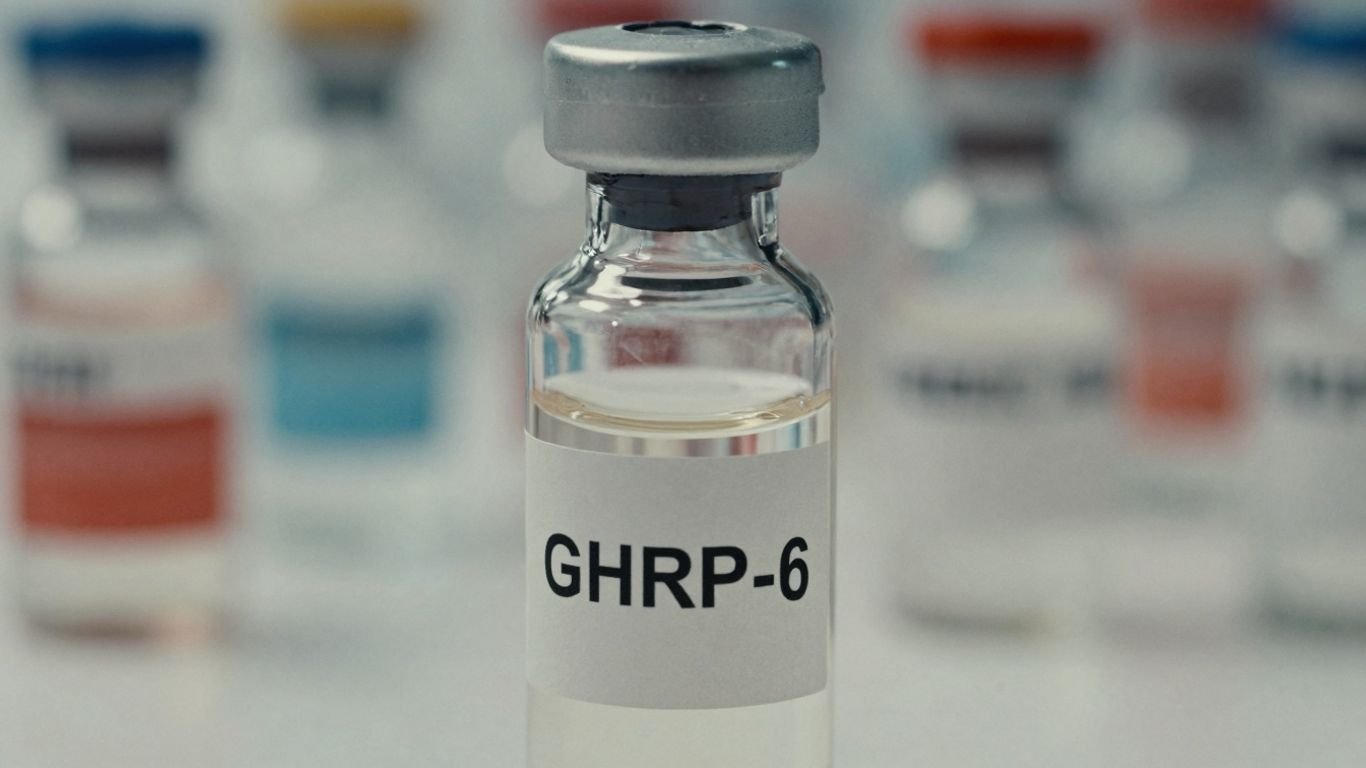
Growth Hormone Releasing Peptide-6 (GHRP-6) is a synthetic peptide that has garnered attention for its role in stimulating the body’s natural growth hormone production. As a growth hormone secretagogue, it signals the pituitary gland to release more growth hormone. This document provides a comprehensive overview of GHRP-6, including its mechanisms of action, potential benefits, associated risks, and considerations for its use.
Key Takeaways
- GHRP-6 is a synthetic peptide that prompts the body to release growth hormone.
- It works by interacting with specific receptors in the brain, primarily the hypothalamus and pituitary gland.
- Potential benefits include support for muscle growth, fat loss, and improved energy metabolism.
- Research also suggests possible anti-inflammatory, anti-fibrotic, and cardiac protective effects.
- GHRP-6 may increase appetite, which could be a benefit or a side effect depending on the user’s goals.
- Common side effects can include temporary increases in blood sugar and cortisol levels, and potential water retention.
- The legality and availability of GHRP-6 can vary by region, and its use should ideally be discussed with a healthcare professional.
- Understanding the proper dosage and administration methods is important if considering GHRP-6.
What is GHRP-6?
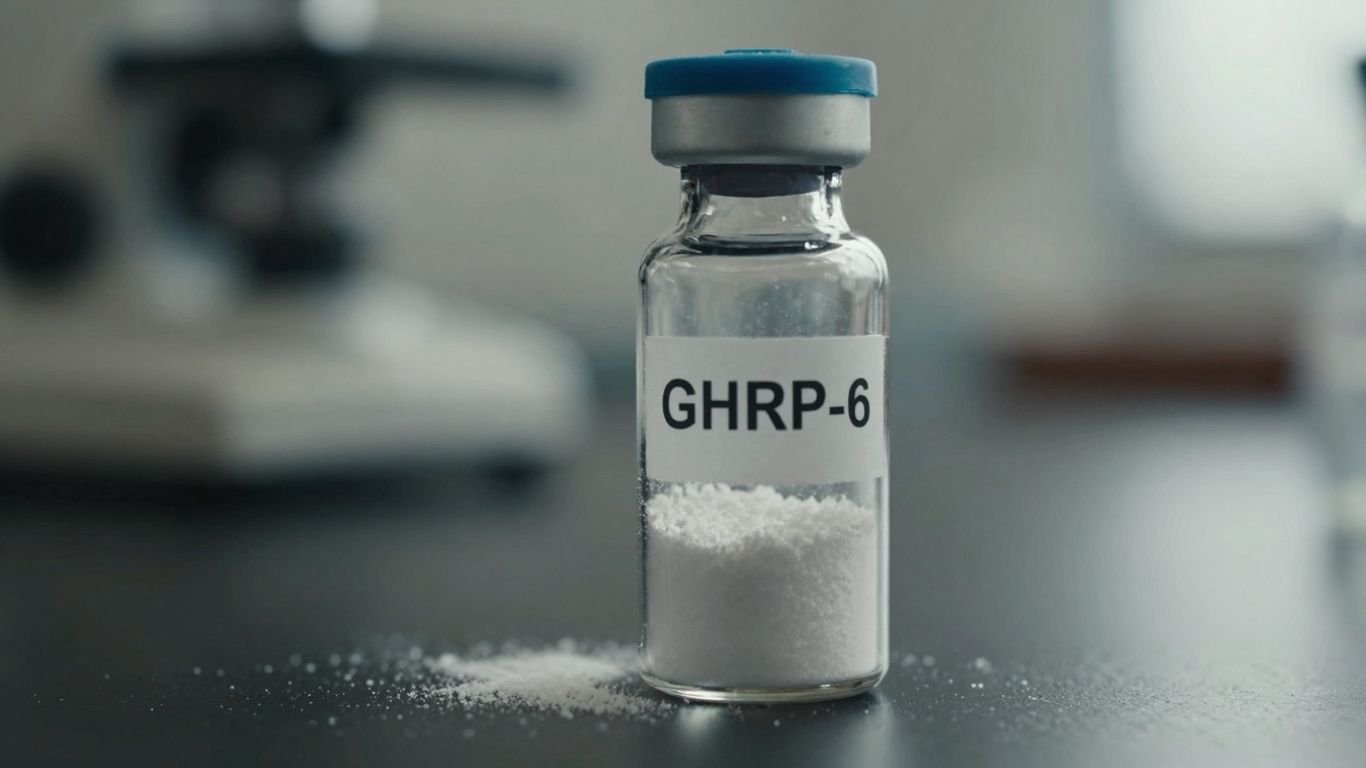
GHRP-6, or Growth Hormone Releasing Peptide-6, is a synthetic peptide that plays a role in stimulating the body’s natural production of growth hormone. It’s part of a group of compounds known as growth hormone secretagogues. These substances work by mimicking the effects of ghrelin, a hormone that not only influences appetite but also signals the pituitary gland to release growth hormone.
This peptide interacts with specific receptors in the brain, primarily the hypothalamus and pituitary gland. This interaction prompts an increased secretion of growth hormone. Its popularity has grown in fitness and athletic circles due to its potential effects on body composition, including muscle development and fat reduction.
Research indicates GHRP-6 might help boost protein synthesis, which is key for building muscle. It’s also thought to aid in breaking down fat. Some studies even suggest it could play a part in improving skin health and wound healing by influencing collagen production.
When considering GHRP-6, it’s important to be aware of how it’s obtained. You might see GHRP-6 for sale in various forms, including GHRP-6 tablets and options for GHRP-6 injection. The GHRP-6 price can vary depending on the source and form.
It’s vital to approach the use of GHRP-6 with caution. Like any substance that affects hormone levels, it carries potential risks and side effects. Understanding the legal status of GHRP-6 in your region is also a necessary step before considering its use.
While GHRP-6 can be administered via GHRP-6 oral methods, its effectiveness through injection is also widely discussed. The choice between GHRP-6 oral and injection forms often comes down to personal preference and perceived efficacy, though scientific literature on growth hormone-releasing hormone and its analogs provides context for their actions.
How GHRP-6 Works
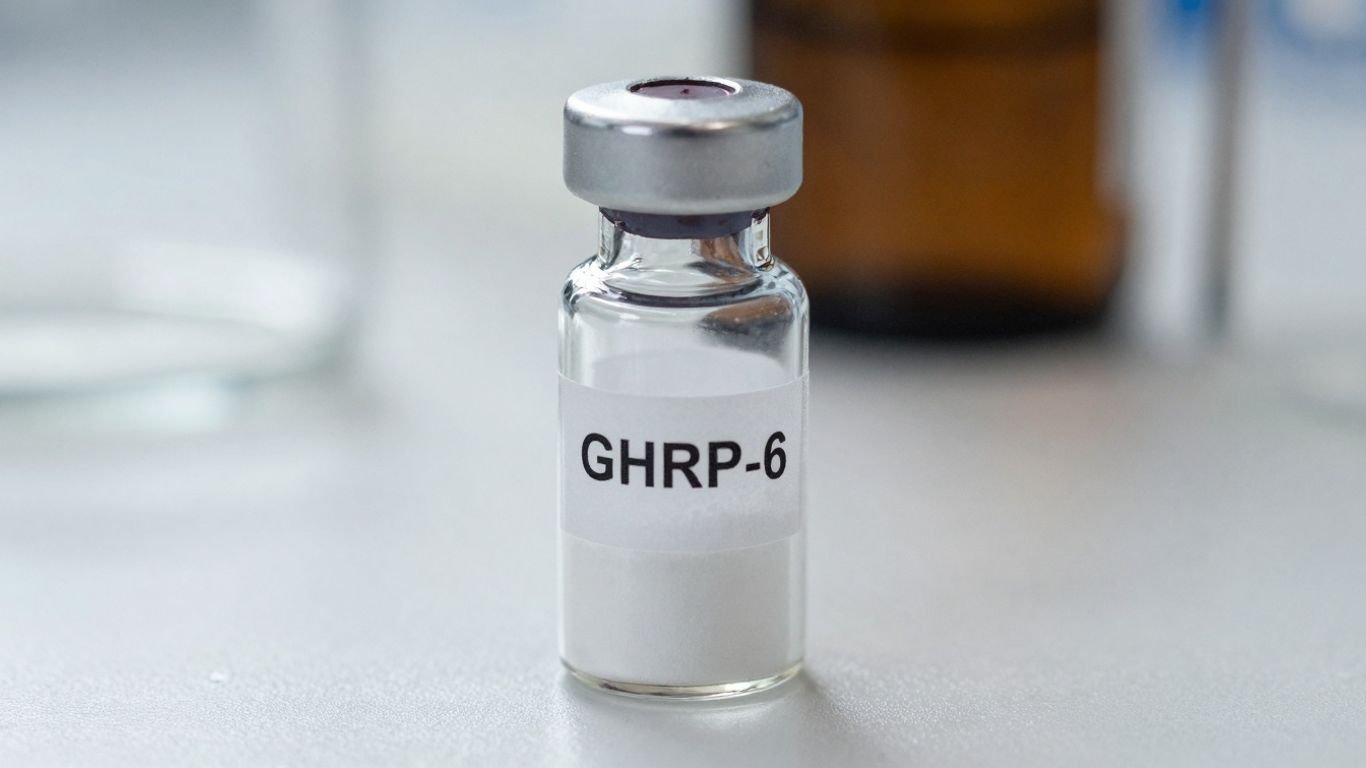
GHRP-6 acts as a growth hormone secretagogue. This means it prompts your body to release its own growth hormone. It does this by interacting with specific receptors in your brain, primarily in the hypothalamus and pituitary gland. Think of it like a key fitting into a lock; GHRP-6 binds to these receptors, signaling the pituitary gland to produce and release more growth hormone.
It mimics the action of ghrelin, a natural hormone known for stimulating appetite and also for its role in growth hormone release.
The primary mechanism involves binding to the growth hormone secretagogue receptor (GHS-R1a). This binding triggers a cascade of events leading to increased pulsatile release of growth hormone.
Beyond just growth hormone, GHRP-6 has shown effects on other pathways:
- Anabolic Pathways: It can influence pathways like IGF-1/AKT1 and mTOR, which are involved in muscle protein synthesis and growth. This is a key factor in why people see changes in muscle mass.
- Metabolic Effects: It appears to affect how your body uses energy and processes fat.
- Cardioprotective Actions: Research suggests it can positively impact heart function, potentially by influencing calcium channels and reducing inflammation within cardiac cells.
- Anti-inflammatory and Anti-fibrotic Effects: GHRP-6 can help reduce inflammation and the formation of scar tissue by influencing pathways like PPARγ and downregulating factors such as TGF-β.
Understanding these mechanisms helps explain the observed GHRP-6 results and why it’s discussed in contexts like bodybuilding and potential therapeutic applications. The effects seen after GHRP-6 use are a direct consequence of these biological actions. While many users report positive outcomes, it’s always wise to consider a GHRP-6 review that discusses both benefits and potential downsides before considering Before GHRP-6 Use.
Potential Benefits of GHRP-6
GHRP-6 benefits are a topic of interest for many, particularly in fitness and research circles. This peptide has shown a range of effects that warrant a closer look.
1. Growth Hormone & IGF-1 Release
GHRP-6 is primarily known for its ability to stimulate the release of growth hormone (GH) from the pituitary gland. It does this by acting on ghrelin receptors in the brain. This surge in GH can then lead to increased production of Insulin-like Growth Factor 1 (IGF-1) in the liver. Both GH and IGF-1 play significant roles in cell growth and repair throughout the body.
2. Muscle Growth and Fat Loss
By promoting the release of GH and IGF-1, GHRP-6 may support the development of lean muscle mass. It’s also thought to influence fat metabolism, potentially aiding in the reduction of body fat. This dual action makes it appealing for those looking to improve body composition.
3. Improved Energy Metabolism
Some research suggests that GHRP-6 could play a role in how the body uses energy. This might translate to better metabolic function, though more studies are needed to fully understand this aspect.
4. Anti-Inflammatory & Anti-Fibrotic
Interesting findings point to GHRP-6 having properties that could reduce inflammation and fibrosis. It appears to interact with pathways that regulate these processes, potentially offering protective effects in certain tissues.
5. Increased Appetite
One of the well-documented effects of GHRP-6 is its ability to stimulate appetite. This is linked to its action on ghrelin receptors, which are also involved in hunger signaling. This effect can be beneficial for individuals struggling with low appetite.
6. Cardiac Protection
Studies have explored GHRP-6’s potential to protect the heart. It seems to influence calcium levels in heart cells and may help improve heart function, particularly under stress.
7. Immune System Support
There’s some indication that GHRP-6 might have a positive impact on the immune system. Research is ongoing to clarify the exact mechanisms and extent of this effect.
8. Improved Sleep Quality
Anecdotal reports and some research suggest that GHRP-6 could contribute to better sleep quality. This might be related to its influence on hormone release and overall bodily regulation.
GHRP-6 Side Effects and Risks
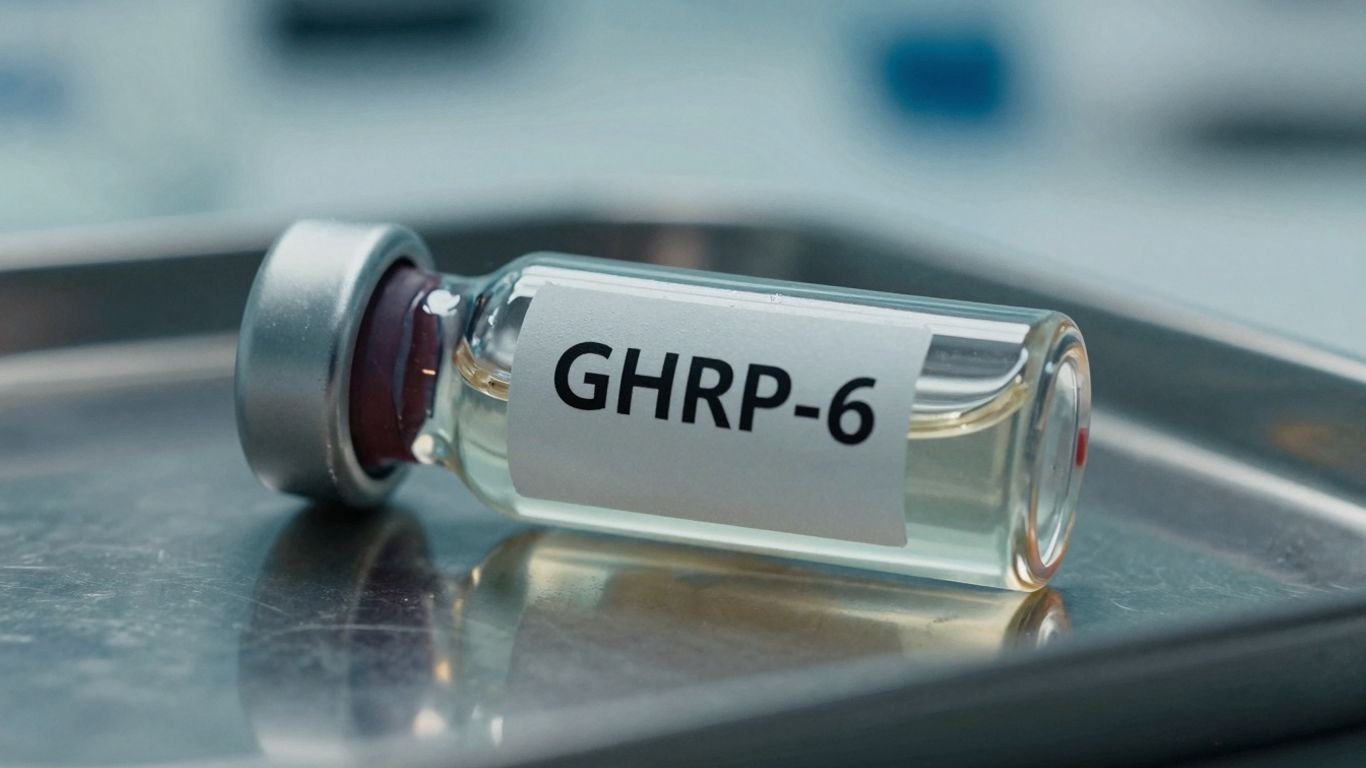
While GHRP-6 offers potential benefits, it’s important to be aware of the possible GHRP-6 side effects and risks associated with its use. Like many compounds that influence hormone levels, GHRP-6 is not without its drawbacks.
Common Side Effects
Users may experience a range of immediate reactions. These are generally considered mild but can be bothersome:
- Increased Appetite: This is one of the most frequently reported effects, directly related to GHRP-6’s action on ghrelin receptors.
- Water Retention: Some individuals notice a slight puffiness or bloating.
- Nausea: A feeling of sickness can occur, particularly when first starting.
- Headaches: Mild to moderate headaches are also reported.
- Dizziness: A feeling of lightheadedness can sometimes manifest.
- Mood Swings: Fluctuations in mood have been noted by some users.
- Injection Site Reactions: If injected, redness, itching, or minor pain at the injection site can occur.
Long-Term Concerns
Beyond the immediate effects, there are potential long-term considerations that warrant attention. The research into the long-term impact of GHRP-6 in humans is still developing, making it difficult to predict all possible outcomes.
- Hormonal Imbalances: Chronic use could potentially disrupt the body’s natural hormonal regulation. This might affect other endocrine functions over time.
- Cardiovascular Effects: While some studies suggest potential cardiac protection, the long-term effects on the cardiovascular system are not fully understood. More research is needed in this area.
- Suppression of Natural GH Production: There’s a theoretical risk that the body might reduce its own growth hormone production if it consistently receives external stimulation.
It is crucial to approach the use of GHRP-6 with caution. Understanding these potential side effects and risks is a key part of responsible usage. Consulting with a healthcare professional before considering GHRP-6 is highly recommended to discuss individual health status and potential interactions.
While GHRP-6 is being explored for various therapeutic applications, its use in performance enhancement or bodybuilding is not approved by regulatory bodies. For those interested in the science behind peptide healing, compounds like BPC-157 have also garnered attention for their potential regenerative properties, though human data remains limited.
GHRP-6 Dosage and Administration
Figuring out the right amount of GHRP-6 and how to take it is pretty important. It’s not just about popping a pill; there’s a bit more to it.
GHRP-6 Dosage for bodybuilding
Doses can vary, but a common range often mentioned is between 100 to 300 micrograms (mcg) per day. This is typically split into multiple administrations throughout the day. For instance, someone might take 100 mcg three times a day. It’s really about finding what works for your body and your goals.
- Typical Daily Dose: 100-300 mcg
- Frequency: 1-3 times per day
- Timing: Often taken on an empty stomach
GHRP-6 Oral VS Injection
GHRP-6 can be taken in a couple of ways, and each has its own points.
- Injection: This is generally considered the most effective method. When injected, GHRP-6 is absorbed directly into the bloodstream, leading to a more predictable and potent effect. Subcutaneous injections (under the skin) are common.
- Oral: While GHRP-6 can be taken orally, its effectiveness might be reduced due to degradation in the digestive system. However, some research suggests it can still be effective when administered this way, though potentially requiring higher doses compared to injections.
The method of administration can significantly impact the results you see.
| Topic / question | Oral GHRP-6 | Injected GHRP-6 (IV/SC/IM/Nasal) |
|---|---|---|
| Typical route used in research / practice | Some research showed oral/enteral administration can stimulate GH, but oral use is far less common in clinical trials. (PubMed) | Most human pharmacokinetic and efficacy studies use parenteral routes (IV or subcutaneous) — injection is the standard route in trials. (PubMed) |
| Bioavailability (how much reaches bloodstream) | Low in humans — reported oral bioavailability of GHRP-6 is very low (<~1% in some reports), although enteral activity has been observed in animal and some human studies. Low bioavailability limits consistency and potency orally. (PNAS) | High (relative) — parenteral injection bypasses first-pass GI degradation, so peak blood levels and GH stimulation are larger and more predictable; PK studies report measurable plasma profiles after injection. |
| Onset of action | Slower and variable — any systemic effect depends on absorption from the gut; timing is less predictable. (ScienceDirect) | Rapid — IV/SC routes give faster rise in plasma peptide and more predictable timing of GH release (studies often report quick increases). |
| Peak effect & magnitude (GH release) | Can increase GH in some studies, but peak increases are generally smaller and less consistent than with parenteral dosing. | Larger, reproducible GH peaks in controlled studies (used to characterise pharmacodynamics). Clinical PK/PD work uses injections for this reason. |
| Duration (how long effect lasts) | Variable; systemic exposure is low so duration of effect is typically short/limited and less consistent. | GHRP-6 elimination half-life after parenteral dosing is relatively short (distribution phase minutes; terminal elimination reported ~2.5 h in one human study), so effects are short-to-moderate duration; this is why injected regimens in research are timed around meals/sleep. |
| Clinical evidence / strength of data | Some early and preclinical work shows oral/enteral activity, but human evidence is limited and variable; many orally-active GHS compounds were developed because some peptides are poorly absorbed. | Better characterised in humans (PK/PD studies). Most controlled human data and safety monitoring are for parenteral dosing. |
| Safety / common adverse effects | GI upset, nausea, appetite changes possible; but safety data are sparse for oral GHRP-6 from rigorous trials. Unregulated oral products carry contamination/quality risks. | Known adverse reactions in studies include transient sensations (e.g., flushing, light-headedness), increased appetite, and possible site reactions for injections; long-term safety not well established. Quality/sterility of product matters a lot. |
| Practicality / storage / cost | Potentially easier to take (no injection) if a reliable oral formulation existed — but because oral bioavailability is poor, practical benefit is limited unless a formulated oral GHS is used. Many “oral peptide” products on the market are unregulated. | Requires sterile preparations, cold-chain for some suppliers, needles/administration training — more logistical overhead but predictable systemic delivery. Product and sterility are critical. |
| Dosing consistency & product quality | High variability; many oral peptide products sold online are “research-grade” with unknown purity and inconsistent dosing. That raises both efficacy and safety concerns. (PMC) | Parenteral formulations used in trials are produced under controlled conditions; however, off-label/black-market injectables carry contamination and dosing risks. |
| Legal / anti-doping status | Same substance regardless of route — GHRP family is listed among prohibited peptide hormones/ releasing factors in anti-doping rules; possession/marketing may also be restricted in jurisdictions because it’s investigational/unapproved. | Identical to oral for anti-doping: prohibited. Injection route is more commonly used for doping, and detection methods are used by anti-doping labs. (WADA AMA) |
| When people choose one vs the other | People sometimes prefer “oral” to avoid injections — but with GHRP-6 the low oral bioavailability and uncertain formulations make oral use less attractive in practice. (PNAS) | Injection chosen because it reliably delivers peptide into circulation and produces reproducible effects; used in most clinical/research contexts. |
| Bottom line | Oral GHRP-6 can show activity in some experimental settings, but oral bioavailability in humans is very low and effects are inconsistent — evidence base is limited. | Injection gives predictable PK/PD and stronger GH responses in controlled studies; however, safety, regulatory approval, and product quality remain major concerns for both routes. |
Timing
When using injections, timing is key. To maximize growth hormone release, it’s often recommended to administer each injection on an empty stomach. This means waiting a few hours after meals and taking the injection about 30 minutes before eating [e6d8]. This timing helps ensure the peptide can work without interference. For oral use, consistency is still important, but the exact timing relative to meals might be less critical compared to injections.
Is it legal and safe to buy GHRP-6?
When considering the purchase of GHRP-6, it’s important to understand the current landscape regarding its legality and safety. The regulatory status of peptides like GHRP-6 can vary significantly depending on your geographical location. In many countries, these compounds are not approved for human consumption and are often sold for research purposes only. This means that purchasing and possessing them for personal use might be in a legal gray area or outright prohibited.
Legality of GHRP-6
| Country / jurisdiction | Legal status (human use) | Notes (import / possession / sale) | Source(s) |
|---|---|---|---|
| United States | Not approved for human therapeutic use; distribution/sale for human use is illegal/unsafe; treated as an unapproved drug | FDA has flagged GHRP-6/GHRP-2 safety concerns in compounding/bulk-substance reviews and FOIA records show adverse-event tracking; in practice GHRP-6 appears on “research-use only”/black-market supply lines and may be seized or subject to enforcement; athletes banned by USADA/WADA. | FDA compounding/bulk-substances advisory; FDA FOIA adverse-event listing. (U.S. Food and Drug Administration) |
| Canada | Not authorized for human use; injectable peptides regulated as prescription drugs | Health Canada has warned about unauthorized injectable peptide products and treats such peptides as prescription medicines — unauthorized sale/import may be seized and subject to enforcement. | Health Canada advisory / recall / public advisory. (Recalls Canada) |
| United Kingdom | Not a licensed medicine for human use (research-use only in practice) | MHRA/GOV.UK licensing framework requires licensing for human medicines; GHRP-6 is circulated as a research peptide and cannot be legally marketed as a medicine for human or veterinary use without approval. | GOV.UK / MHRA guidance + UK research-peptide supplier notes summarising legal position. (GOV.UK) |
| European Union (general) | Generally not authorised as a human medicine; national regimes vary; WADA-banned for athletes | EMA/ member states require marketing authorisation for human medicines; many peptide secretagogues are unlicensed and sold as “research chemicals”; athletes are prohibited from using GHRP-6 (WADA). Specific import/possession rules differ per member state. | EMA guidance on medicines licensing; WADA growth-hormone releasing factors guidance. (European Medicines Agency (EMA)) |
| Australia | Prohibited import / restricted — treated as prohibited import without permit; not approved for human use | TGA FOI/materials identify GHRP-6 among items classed as prohibited imports (import permits rarely issued); online sale/marketing for human use is not permitted and customs seizures occur. | TGA FOI document / customs & import guidance; reporting on peptide imports. (Therapeutic Goods Administration (TGA)) |
| New Zealand | Viewed as prescription medicine / controlled for import — not available for general human use | Medsafe / NZ authorities have treated growth-hormone peptides as prescription medicines; import/possession without prescription may be illegal and enforcement/customs seizures have occurred. | Medsafe / NZ press reporting & documents. (Medsafe) |
| Japan | No public approval for GHRP-6 as a marketed medicine; regulated drug import rules apply | Japan requires formal approval to market medicines; importing substances that are controlled or unapproved can be restricted and may require prior permission from MHLW. Not found as an approved marketed product. | MHLW guidance on pharmaceuticals / import controls. (Ministry of Health, Labour and Welfare) |
| China | No clear public approval for human use; import/marketing of unapproved peptides can be subject to customs/regulatory control | I could not find a regulator page explicitly listing GHRP-6 by name; general practice: peptides/biologics require regulatory approval (NMPA/Customs enforcement). Customs/market enforcement has targeted unapproved peptide imports in many jurisdictions. | (Regulatory framework: National Medical Products Administration / customs practice; general sources on peptide imports.) (Wikipedia) |
| India | No evidence of marketing authorisation; peptides may be manufactured/supplied for research — medicines require CDSCO approval | I did not find an authoritative CDSCO page specifically naming GHRP-6. Manufacturing/sale for human therapeutic use would require regulatory approval; research-grade supply appears available from suppliers. | Manufacturer listings and CDSCO/clinical regulation background. (Manus Aktteva) |
| Brazil | No public approval for GHRP-6 as a marketed medicine; regulated by ANVISA if intended for human therapeutic use | ANVISA controls marketing authorisations; peptides intended as medicines require approval — unapproved products may be refused entry or subject to enforcement. I did not find an explicit ANVISA listing for GHRP-6. | ANVISA regulatory framework / GMP guidance. (Serviços e Informações do Brasil) |
| Mexico | No public marketing authorisation found; COFEPRIS regulates medicines and clinical trials | Mexico’s regulator requires authorisation to market medicines; I did not find COFEPRIS specifically naming GHRP-6 — unapproved peptides would not be lawful to market for human use without authorization. | COFEPRIS / regulatory news summary. (Pérez-Llorca) |
| South Africa | Not authorised as a marketed medicine; SAHPRA governs registration — unapproved products may be restricted/subject to enforcement | SAHPRA oversees medicine registration; public warnings (recent years) show regulators policing illegal online marketing of unapproved health products (GLP-1s etc.); no explicit SAHPRA page naming GHRP-6 found, but general policy implies restriction. | SAHPRA site & regulatory guidance; ClinRegs summary of SAHPRA remit. (SAHPRA) |
| Russia | No clear public listing found for GHRP-6; in practice such peptides are not marketed without regulatory approval | I could not find a clear Russian regulator page specifically listing GHRP-6; Russian drug law requires approvals for human medicines and customs enforcement may apply to imports. | General regulatory practice references (no explicit GHRP-6 listing found). (Wikipedia) |
| WADA / sports | Explicitly prohibited for athletes (prohibited at all times / in-competition depending on product) | Growth-hormone releasing peptides (GHRP family including GHRP-6, GHRP-2, etc.) are listed as prohibited (peptide hormones / releasing factors) — athletes testing positive face sanctions. | WADA technical guidance / national anti-doping (USADA) lists. (WADA AMA) |
Always verify the specific laws in your region before attempting to acquire GHRP-6.
GHRP-6 For Sale
Beyond legality, the safety of acquiring GHRP-6 is also a significant concern. The market for peptides can be unregulated, leading to products of questionable purity and potency. Without proper oversight, there’s a risk of obtaining counterfeit or contaminated substances. These can not only be ineffective but also pose serious health risks.
Here are some points to consider:
- Source Verification: Reputable suppliers are hard to identify. Look for vendors who provide third-party testing results for their products, detailing purity and composition.
- Product Labeling: Ensure the product is clearly labeled for research use only and does not make claims for human consumption.
- Potential for Contamination: Unverified sources may contain impurities or incorrect dosages, leading to unpredictable effects or adverse reactions.
The lack of FDA approval for GHRP-6 for any medical condition means that its use outside of a controlled research setting carries inherent risks. Consumers should exercise extreme caution and be aware that they are often purchasing products without the safety and efficacy assurances that come with approved pharmaceuticals.
Wrapping Up: What to Remember About GHRP-6
In summary, GHRP-6 is a synthetic peptide that stimulates the body’s release of growth hormone. Research suggests potential benefits for muscle growth, fat loss, and cellular protection, but it also carries risks and side effects. Its legal status varies by region, and it is not approved for human consumption by major regulatory bodies. Due diligence, including consulting with a healthcare professional, is essential before considering its use.
Frequently Asked Questions
What exactly is GHRP-6?
GHRP-6, which stands for Growth Hormone Releasing Peptide-6, is a special type of body-made substance called a peptide. Think of it like a key that tells your body to release more of a very important hormone called growth hormone. It’s similar to a natural hormone in your body called ghrelin, which also helps release growth hormone and makes you feel hungry.
Does GHRP-6 increase HGH?
GHRP-6 works by attaching to specific spots, like tiny locks, in parts of your brain called the hypothalamus and pituitary gland. When it locks on, it sends a signal that tells your body to produce and release more growth hormone into your bloodstream.
What is GHRP-6 used for?
People often use GHRP-6 hoping to gain more muscle, lose body fat, and have more energy. It’s also thought to help with things like healing, reducing swelling, protecting the heart, and even making sleep better. Some people also notice they feel hungrier.
Can GHRP-6 help build muscle and lose fat?
Yes, that’s one of the main reasons people are interested in GHRP-6. By increasing growth hormone, it can help your body build more muscle protein and may also help your body use stored fat for energy, potentially leading to a leaner physique.
Does GHRP-6 affect appetite?
Yes, GHRP-6 is known to increase appetite. This is because it acts similarly to ghrelin, a hormone that signals hunger to your brain. This can be helpful for people who want to eat more to support muscle growth.
Are there any side effects from using GHRP-6?
Like many things that affect hormones, GHRP-6 can have side effects. Some common ones include feeling a temporary increase in hunger, a slight drop in blood sugar, and sometimes a feeling of puffiness or water retention. It’s important to be aware of these possibilities.
What are the potential long-term concerns with GHRP-6 use?
While research is ongoing, long-term concerns could involve how consistently using GHRP-6 might affect your body’s natural hormone production over time. It’s always best to discuss any long-term use with a doctor.
How is GHRP-6 typically used, especially in fitness contexts?
In fitness and bodybuilding, GHRP-6 is often used in specific doses to try and boost growth hormone levels. The exact amounts and how often it’s used can vary a lot depending on what someone is trying to achieve.
Is GHRP-6 taken as a pill or an injection?
GHRP-6 can be taken in different ways, but it’s often prepared as a powder that needs to be mixed with sterile water and then injected under the skin. While there might be oral forms, injections are generally considered more effective for getting it into the body.
Where is the best place to inject GHRP-6?
The best place to inject GHRP-6 is usually into fatty tissue, such as the abdomen (around the belly button, but not too close), or sometimes into the thigh. It’s important to rotate injection sites to avoid lipodystrophy (lumps or dents in the skin). Always follow the specific instructions provided by your supplier or a healthcare professional.
Is it legal to buy GHRP-6?
The rules about buying and using GHRP-6 can differ depending on where you live. In many places, it’s sold for research purposes only and not approved for human use. It’s crucial to check your local laws and regulations before attempting to purchase or use it.
Is GHRP-6 considered safe to use?
While GHRP-6 has been studied, its safety for long-term human use is still being explored. It can cause side effects, and its use should ideally be supervised by a healthcare professional who can assess the risks and benefits for your individual situation.
What is the connection between GHRP-6 and ghrelin?
GHRP-6 is designed to mimic the actions of ghrelin, a natural hormone produced in your stomach. Both GHRP-6 and ghrelin bind to the same receptor in the brain to stimulate the release of growth hormone. Ghrelin also plays a role in regulating appetite, which is why GHRP-6 can increase hunger.