
Introduction
Equipoise, known in the scientific community as boldenone undecylenate, is a long-acting injectable anabolic androgenic steroid (AAS) with both veterinary and nonmedical performance uses. Originally developed for veterinary applications, Equipoise has found a unique niche among athletes and bodybuilders looking for a balance between muscle gain and side effect manageability. This comprehensive guide distills human evidence regarding Equipoise, focusing on efficacy, safety, dosing, and practical use in athletic populations.
Key Takeaways
- Equipoise is an injectable anabolic steroid valued for its moderate anabolic effects, manageable androgenicity, and extended duration of action.
- Human-specific evidence is limited; many effects are derived from clinical context, extrapolations from other AAS, and documented case experiences.
- Equipoise’s reputation as a ‘milder’ steroid is not universally supported by data; hormonal suppression, lipid changes, and cardiovascular risks remain concerns.
- Used off-label for physique and performance enhancement, Equipoise cycles can impact muscle gain, strength, and recovery, but also carry significant health risks.
Quick Facts Table
| Property | Details |
|---|---|
| Compound Name | Equipoise |
| Other Names | Boldenone Undecylenate, Ganabol, Ultragan, Bold-One, “EQ” |
| Type | Steroids |
| Route of Administration | Injectable (intramuscular) |
| Common Medical Uses | Veterinary: weight gain, appetite stimulation in horses; not approved in humans |
| Anabolic/Androgenic Ratio | Moderate (approximate: 100:50 vs. testosterone’s 100:100) |
| Metabolism | Hepatic (liver metabolism; non-17α-alkylated) |
| Half-Life | 14–16 days (due to undecylenate ester) |
| Detection Time | Up to 5–6 months; highly variable depending on testing and dose |
| Typical Performance Doses | 200–600 mg/week (anecdotal); human dosing evidence limited |
| Standard Cycle Length | 10–16 weeks (based on user reports) |
| Legality | Controlled substance in many countries; prescription required for legal use |
| Notable Risks | Hormonal suppression, lipid alterations, BP increase, androgenic effects |

What is Equipoise?
Equipoise is the brand name for boldenone undecylenate, a derivative of testosterone modified for longer activity and a unique anabolic profile. Although it shares structural similarities with testosterone, it was chemically altered to increase its anabolic properties and minimize androgenic side effects.
- Equipoise is not approved for human medical use; its commercial preparations are designated for veterinary purposes, primarily horses.
- In performance contexts, Equipoise is used off-label for its muscle-building, appetite-stimulating, and moderate androgenic characteristics.
- Its long ester (undecylenate) provides a significant half-life, allowing for infrequent injections but lingering detection risk.
History & Development
- Boldenone was synthesized in the 1940s and later introduced as a veterinary medication in the form of Equipoise.
- Human clinical trials explored its efficacy in anemia and other conditions but never reached widespread acceptance due to availability of safer alternatives and regulatory hurdles.
- In bodybuilding circles, Equipoise surged in popularity in the 1980s–2000s for its perceived balance between anabolic effects and manageable side effects compared to other injectable steroids.
How Equipoise Works
Mechanism of Action
- Equipoise binds to androgen receptors in muscle and other tissues, promoting increased protein synthesis and nitrogen retention.
- It exerts mild to moderate androgenic activity—meaning it can cause masculinizing or virilizing effects, but often less so than testosterone at equivalent doses.
- Acting as a long-acting depot, boldenone undecylenate provides sustained release, maintaining relatively stable hormone levels with infrequent injections.
- Some data suggest mild aromatization to estrogen, but generally at a slower rate and lower potency compared to testosterone, which can influence both muscle-building and side effects (like fluid retention).
Biological Effects
- Muscle Tissue: Equipoise enhances muscle protein synthesis, supports lean mass accretion, and may reduce muscle breakdown, especially under caloric restriction.
- Androgenic Tissues: Though less androgenic than testosterone, effects on hair growth, skin, and, in males, prostate tissue may occur.
- Metabolism: Equipoise may influence glucose metabolism and red blood cell production, potentially improving oxygen delivery but raising hematocrit and viscosity risks at high doses.
- Hormonal Axis: Like other exogenous steroids, Equipoise can suppress the hypothalamic-pituitary-gonadal axis, impairing endogenous testosterone production during and after use.
- Short vs. Long-Term: Short-term administration favors anabolic gains; prolonged or repeated exposure amplifies suppression and increases cumulative risks (lipids, BP, cardiovascular, hepatic).
Benefits of Equipoise
Muscle Mass or Lean Tissue Effects
- Mechanism: Equipoise enhances muscle protein synthesis and reduces catabolic pathways by binding androgen receptors, promoting positive nitrogen balance.
- Athlete Relevance: Widely favored in off-season or “lean bulk” phases due to stable gains and low fluid retention versus aromatizing drugs.
- Evidence & Limitations: Direct human studies are scarce; most data derive from animal models and extrapolations from testosterone. Some case reports cite modest but sustained lean mass increases. Efficacy likely hinges on diet, training intensity, and concurrent supplementation.
Strength and Performance Outcomes
- Mechanism: Increased muscle cross-sectional area and neuromuscular function due to androgen receptor modulation.
- Athlete Relevance: Competitive lifters and bodybuilders report moderate improvements in strength and training workload, though less pronounced than with more androgenic agents (e.g., trenbolone).
- Limitations: No robust human-controlled trials exist for performance parameters; perceived improvements are largely anecdotal and may be subject to bias.
Muscle Preservation During Caloric Deficit
- Mechanism: Equipoise’s anti-catabolic properties potentially slow down muscle breakdown during weight loss or ‘cutting’ phases.
- Athlete Relevance: Lean mass retention during prep cycles is a core reason for Equipoise use in contest bodybuilding.
- Limitations: Human evidence is indirect; individual response may be affected by diet, degree of caloric deficit, and concurrent agents.
Recovery and Training Tolerance
- Mechanism: Anabolic steroids like Equipoise may accelerate recovery from intense training by reducing muscle microtrauma and inflammation.
- Athlete Relevance: Some users report faster recuperation, increased workout frequency, and reduced delayed-onset soreness.
- Caveats: Limited direct human research; improvements may not be universal and also raise injury or overtraining risk.
Cosmetic or Physique Effects
- Mechanism: Equipoise is perceived as producing less water retention and a ‘harder,’ leaner appearance compared to highly aromatizing steroids.
- Athlete Relevance: Useful for athletes seeking minimal bloat and stable muscular definition during photo shoots or contest prep.
- Variability: Individual predisposition to estrogenic effects can still impact water retention and visual outcomes.
Side Effects & Safety
Equipoise is not exempt from the side effects seen with most anabolic steroids. Spectrum and severity depend on dose, duration, genetics, age, sex, and concurrent compound use.
Endocrine Suppression & HPTA Effects
- Equipoise suppresses endogenous testosterone production by negative feedback on the hypothalamic-pituitary-gonadal axis (HPTA).
- Degree of suppression is dose-dependent and can manifest even at modest doses in men; women are at risk of virilization.
- Recovery can be incomplete or delayed post-cycle, especially after prolonged or high-dose use.
Cardiovascular & Lipid Changes
- Equipoise may decrease HDL (‘good’) cholesterol and increase LDL (‘bad’) cholesterol, amplifying atherosclerotic risk.
- Blood pressure increases may occur, particularly at higher doses or with underlying predisposition.
- Long-term use can elevate red blood cell count (hematocrit), potentially thickening blood and increasing clotting risk.
Hepatic Effects (if applicable)
- As a non-17α-alkylated injectable, Equipoise generally exerts less direct liver strain than oral steroids, but rare cases of liver dysfunction have been reported at very high doses or with pre-existing hepatic compromise.
Androgenic Effects (skin, hair, prostate)
- Acne, oily skin, and increased body or facial hair may manifest, especially in genetically susceptible individuals.
- Male pattern baldness can accelerate in those predisposed; prostate health could also be affected with long-term, high-dose use.
- In females, virilization (voice deepening, clitoral enlargement, hirsutism) is a significant risk even with moderate doses.
Psychological & Neurological Effects
- Mood swings, irritability, anxiety, and (rarely) aggression are possible, depending on sensitivity, dose, and context.
- Sleep disturbances and changes in libido can occur; at supraphysiological dosages, behavioral changes are generally dose-dependent.
Reproductive & Fertility Effects
- Suppressed sperm count (oligospermia/azoospermia) in men; possible menstrual irregularities or amenorrhea in women.
- Fertility may recover post-discontinuation, but risk of prolonged suppression increases with cycle length and dose.
Long-Term & Unknown Risks
- Longitudinal human data are lacking. Prolonged use may heighten cardiovascular, hepatic, psychological, and reproductive risks.
- Cancer risk is unknown for boldenone, but general anabolic steroid misuse is linked to adverse health outcomes in observational studies.
Interactions (stacking, medications, lifestyle)
- Equipoise is commonly stacked with testosterone and/or other injectables; this can synergistically amplify both anabolic effects and risks.
- Concomitant medications for BP, cholesterol, or psychiatric conditions can interact, compounding side effect profiles.
- Alcohol, recreational drugs, and lifestyle factors (diet, smoking) modulate risks.
Pros & Cons
| Pros | Cons |
|---|---|
| Moderate anabolic effects | Suppresses endogenous testosterone production |
| Lower aromatization than testosterone | Lipid disruption (raises LDL, lowers HDL) |
| Stable blood levels due to long ester | Prolonged detection window; may persist for months in drug screens |
| Less risk of hepatotoxicity | May raise blood pressure and red cell count |
| Perceived as ‘milder’ than some injectables | Acne, hair loss, and other androgenic effects possible |
| Useful for lean mass during cut cycles | Female virilization risk; not recommended for women |
| Appetite stimulation | Not FDA-approved for human use; legal risks |
| Infrequent injections | Long recovery period post-cycle |
How Athletes & Bodybuilders Use Equipoise
Practical Usage Scenarios
- Bulking Scenario: Equipoise is often used alongside higher-calorie diets to facilitate steady lean mass gain with manageable water retention. Commonly stacked with testosterone for synergistic effects.
- Cutting/Maintenance Scenario: Athletes in contest prep or weight-class sports utilize Equipoise to preserve muscle mass during energy restriction, leveraging its moderate anabolic potency and minimal aromatization profile.
- Sex-Based Considerations: Virilization risk in females makes Equipoise generally unsuitable; men should be attentive to individual genetic sensitivity to androgenic or cardiovascular side effects.
Dosing, Timing & Forms
| Group | Typical Weekly Dose | Administration | Notes |
|---|---|---|---|
| Male (novice) | 200–400 mg | IM (2x/week possible) | Sterile injection, alternate sites |
| Male (advanced) | 400–600 mg | IM | Dose split may reduce localized pain |
| Female (rare/non-advised) | 25–50 mg | IM | High virilization risk; not recommended |
| By bodyweight | ~2–4 mg/kg/week | IM | Not based on robust clinical research |
| Cycle length | 10–16 weeks | — | Longer cycles may delay HPTA recovery |
- Dosing regimens are based on anecdotal evidence and user surveys, not randomized trials.
- Equipoise is administered intramuscularly, with alternate gluteal, thigh, or deltoid sites rotated to minimize irritation.
- Given its long half-life, stable levels are sustained with 1–2 injections weekly.
Monitoring & Safety Notes
- Bloodwork: Regular monitoring of lipid profile, liver enzymes, hematocrit, and hormonal panels is strongly advised.
- Blood Pressure: Track BP during cycles, adjusting lifestyle and/or considering medical advice for elevated readings.
- Fertility: Both men and women risk short- and potentially long-term fertility impairment; sperm count and reproductive hormone testing may be warranted post-cycle.
Post-Cycle Therapy (PCT)
Is PCT Typically Needed?
- Yes. Equipoise suppresses natural testosterone production; most users require PCT to hasten recovery and mitigate hypogonadal symptoms post-cycle.
Why PCT Is Used
- Equipoise, like all AAS, feeds back on the HPTA, lowering LH and FSH secretion and resulting in decreased endogenous testosterone. Without intervention, recovery can be slow, taking months in some cases.
Common PCT Compound Categories
- SERMs (Selective Estrogen Receptor Modulators): Clomiphene (Clomid), Tamoxifen (Nolvadex) are most used to stimulate pituitary hormone release.
- Aromatase Inhibitors: Sometimes used if estrogenic symptoms persist post-cycle, but less critical with Equipoise due to mild aromatization.
- Other Agents: HCG (human chorionic gonadotropin) may be used in some protocols to stimulate the testes directly, often at the end of the cycle or early PCT.
General PCT Duration & Intensity
- Duration typically ranges from 4–6 weeks, depending on cycle length, cumulative dose, and subjective recovery speed.
- Due to Equipoise’s extended half-life and depot effect, PCT is best initiated 2–3 weeks after the final injection to align with declining systemic hormone levels.
- Bloodwork guidance is ideal; symptoms alone may be unreliable.
Limitations and Risks of PCT
- Not every user recovers at the same pace; genetics, age, and prior steroid history impact duration and completeness of HPTA rebound.
- Even with well-structured PCT, some risk of prolonged low testosterone or incomplete fertility recovery persists.
- PCT compounds themselves carry risks (e.g., mood swings, thromboembolic risk with SERMs, etc.).
Comparison to Similar Compounds
Overview
- Equipoise is most frequently compared to testosterone, nandrolone (Deca Durabolin), and methenolone (Primobolan).
- Each has unique anabolic-to-androgenic ratios, side-effect profiles, and patterns of medical or athletic application.
Comparison Table
| Compound | Anabolic:Androgenic Ratio | Aromatization Risk | Progestogenic Activity | Detectability | Typical Uses |
|---|---|---|---|---|---|
| Equipoise | 100:50 | Mild | None | 5–6 months | Lean mass, sustained gains |
| Testosterone | 100:100 | High | None | 2–3 weeks | Bulking, TRT, base of stacks |
| Deca Durabolin | 125:37 | Weak | Yes | 18+ months | Bulk, joint comfort, cachexia |
| Primobolan | 90:44 | None | None | 4–5 weeks | Lean mass, mild cycles |
Analysis
- Equipoise provides a middle ground between the potent effects of testosterone and the milder, less androgenic profile of Primobolan.
- Its long detection time is a disadvantage for athletes subjected to anti-doping testing.
- Unlike Deca Durabolin, Equipoise is not progestogenic, thus it does not carry associated unique side effects (e.g., worsened libido suppression, prolactin rise).
Legality & Regulatory Status
- In the U.S., boldenone (Equipoise) is classified as a Schedule III controlled substance, illegal for human use without prescription; legal for veterinary use only.
- Most Western countries maintain similar restrictions. Possession, trafficking, or use without medical indication carries risk of prosecution and sports disqualification.
- WADA and virtually all sporting organizations ban boldenone and related metabolites in-competition and out-of-competition.
Where to buy Equipoise?
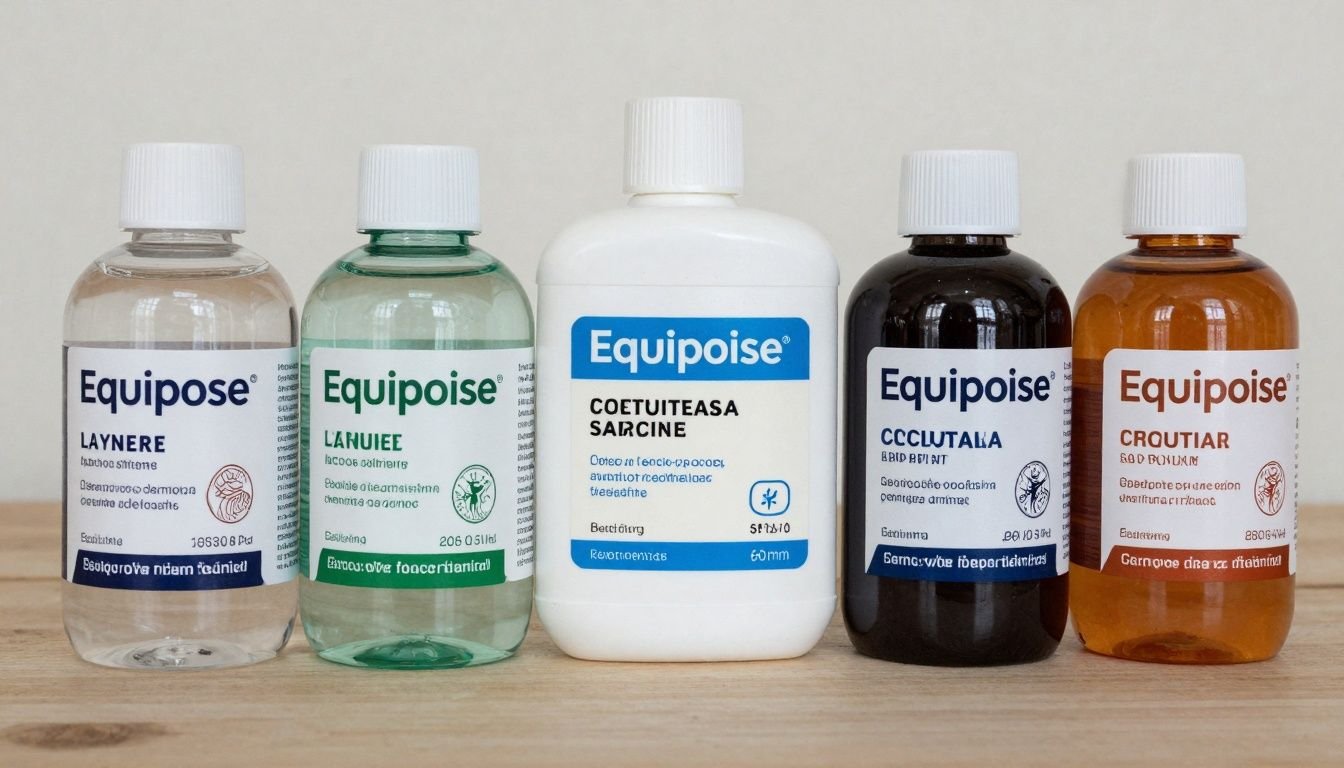
- Equipoise is not legally available for human use. All legitimate supplies are designated for veterinary medicine.
- Underground labs produce Equipoise for non-medical markets, but purity, dosing accuracy, and contamination risk are highly variable.
- Buying Equipoise or similar AAS online or in person exposes individuals to legal consequences, health risks due to counterfeit products, and possible sanctions in sports.
Alternatives to Equipoise
- Legal TRT (Testosterone Replacement Therapy): For those with clinically low testosterone, physician-supervised TRT is safer and evidence-based.
- Natural Performance Enhancers: Creatine, beta-alanine, and protein supplementation contribute to lean mass/strength without steroid risks.
- Other AAS with Shorter Detection Times: Depending on needs (e.g., Primobolan or oral compounds), but all carry their own risk/benefit spectrum.
- SARMs (Selective Androgen Receptor Modulators): Used off-label as perceived safer alternatives, but true long-term safety and efficacy remain under-studied, and most are also banned substances.
Frequently Asked Questions (FAQ)
1. Can Equipoise be safely used by women?
Equipoise carries a significant risk of virilizing side effects in women, such as deepened voice, clitoral enlargement, and irreversible hair growth. Doses considered “low” may still trigger these outcomes. For this reason, most guidelines and experts strongly advise against use by female athletes.
2. How long does Equipoise stay detectable in drug tests?
Because of its long undecylenate ester and tissue affinity, metabolites can be detected in urine and blood tests for approximately 5–6 months after last use. Some detection may persist even longer, depending on individual metabolism and testing sophistication.
3. Is Equipoise less suppressive to natural testosterone than other steroids?
While Equipoise’s suppression profile is sometimes described as moderate, human evidence shows that it is suppressive to the HPTA, especially at performance doses and over multiple weeks. Recovery may be slow; PCT is recommended.
4. Does Equipoise significantly raise estrogen levels?
Equipoise can aromatize to estrogen, but at a lower rate than testosterone. Most users notice less estrogenic side effects (gynecomastia, bloating), though sensitive individuals may still require aromatase inhibitors.
5. Why do some users prefer Equipoise over Deca Durabolin?
Equipoise does not carry the same progestin-related side effects as Deca (e.g., increased prolactin), and its perceived milder nature attracts athletes seeking moderate, sustainable gains.
6. What are the main cardiovascular risks with Equipoise?
Like all AAS, Equipoise can negatively affect cholesterol balance (raise LDL, lower HDL), elevate blood pressure, and promote red blood cell thickening, all of which can increase long-term cardiovascular risk.
7. Can Equipoise cause permanent hair loss?
If genetically predisposed to male pattern baldness, Equipoise can accelerate hair loss. This effect is largely irreversible and cumulative with repeated cycles.
8. Is Equipoise safer than oral steroids?
Equipoise is not 17α-alkylated, so direct liver toxicity is less of a concern at normal doses. Nonetheless, all steroids (including injectables) carry cardiovascular and endocrine risks.
9. How soon after the last injection should PCT begin?
Given Equipoise’s long half-life, PCT should usually start 2–3 weeks post-final injection to coincide with declining blood concentrations.
10. Can blood donation mitigate the increased hematocrit from Equipoise?
While some users donate blood to manage high hematocrit, this is not a guaranteed or universally safe method. Persistent high hematocrit warrants medical evaluation.
11. Is it safe to mix Equipoise and testosterone in the same cycle?
Many cycles include both, but this increases total steroid load and combined risks (suppression, cardiovascular, side effects). Monitoring and caution are necessary.
12. Will Equipoise affect fertility?
Equipoise can suppress spermatogenesis, reducing fertility during and after cycles. Most men recover after discontinuation and PCT, but individual outcomes vary.
13. Are there any established protocols for Equipoise use in humans?
No. Equipoise has not been approved for human use; dosing regimens are based on vet literature, athlete anecdotes, and extrapolation from testosterone protocols. Medical supervision is strongly advised if used.
14. Can Equipoise worsen or cause anxiety or depression?
Some users report mood disturbances, anxiety, or depressive symptoms, particularly during withdrawal or PCT. Psychiatric risks should not be underestimated and can be unpredictable.
15. How does Equipoise compare to legal supplements for muscle gain?
While AAS like Equipoise produce greater and faster gains, they also carry exponentially higher health and legal risks. Legal, evidence-based supplements (e.g., creatine) are far safer, albeit less potent.
Conclusion
Equipoise offers a unique profile among injectable anabolic steroids, combining moderate anabolic effects with a long duration of action and relatively low estrogenic conversion. For performance-focused athletes and bodybuilders, its steady lean mass gains and mild aromatization are attractive. However, Equipoise is not without risk: endocrine suppression, cardiovascular strain, prolonged detectability, and legal hazards are significant considerations. Human research remains limited, and much of the information comes from indirect evidence, case reports, and anecdotal usage.
Responsible use requires careful risk assessment, monitoring, post-cycle planning, and an awareness that Equipoise is not approved for human consumption. Ultimately, athletes should weigh the pros and cons carefully, prioritize health, and seek expert medical guidance when considering any performance-enhancing agent.
Studies / References
- Human trial in anemia treatment (1970s): Early studies used boldenone undecylenate at 100–200 mg/week in men and women with chronic anemia. Modest increases in lean mass and hemoglobin were observed, but side effects included virilization and suppression of gonadal hormones. Study duration: 8–12 weeks. Limitations: Small sample size, no healthy controls.
- Case series in HIV-associated cachexia: Small open-label trials reported lean mass retention with boldenone at 200–400 mg/week. Performance gains were not evaluated; lipid and hormone disruptions were common. Limitations: HIV population, lacked placebo, short follow-up.
- Athlete case reports: Documented Equipoise use in strength athletes and bodybuilders described increases in size, recovery, and physical capacity but frequently noted secondary hypogonadism, elevated hematocrit, and adverse lipid changes after cycles. Limitations: Non-controlled, details often self-reported.
- Meta-analysis of AAS side effects: Combined human studies and case reports found boldenone-associated endocrine suppression, occasional psychiatric symptoms, lipid changes, and increased hematocrit. Limitations: Heterogeneous compounds and dosing, reporting bias.
Athlete Final Checklist
- Evaluate personal risk factors (age, sex, cardiovascular history, fertility)
- Only consider use with full legal and health awareness
- Plan for bloodwork pre-, mid-, and post-cycle to track lipids, hormones, hematocrit, and liver function
- Expect the need for post-cycle therapy (PCT); have a plan prior to beginning Equipoise
- Be aware of detection windows: do not use if anti-doping scrutiny is possible
- Monitor mental health and cardiovascular status during use and recovery
- Seek expert medical or endocrinologist input; do not rely solely on anecdotal or online guidance