

Creatine is a popular supplement in the fitness world, and for good reason. You might have heard about it, maybe seen it in tubs at the gym, or wondered if it’s just for serious athletes. But what is it, really?
It’s a compound that our bodies naturally make and also find in foods like meat. When you supplement with it, you’re essentially giving your muscles a bit more fuel for those high-intensity bursts of activity. This guide will break down what creatine does, its benefits, how to use it, and clear up some common questions.
Key Takeaways
- Creatine is a substance your body produces and can be found in foods like red meat and fish.
- It helps your muscles produce energy, especially during short, intense activities like lifting weights or sprinting.
- Supplementing with it can lead to better athletic performance, increased strength, and faster muscle recovery.
- It is the most studied and commonly recommended form of creatine.
- While generally safe, it’s important to stay hydrated when taking it, and it’s not a replacement for training and good nutrition.
What is Creatine?

Creatine is a compound that occurs naturally in our bodies, primarily in muscle cells. It’s made from three amino acids: arginine, glycine, and methionine. Think of it as a key player in how your muscles produce energy, especially when you’re doing something intense and short, like lifting heavy weights or sprinting.
How Does it Work in the Body?
Creatine’s main job is to help your cells make more ATP, which is like the direct fuel source for your muscles. When you exert yourself during high-intensity activities, your ATP stores get used up quickly. It helps to replenish these stores, allowing you to keep going with that intense effort for a bit longer. This means you can potentially do more reps or lift a bit heavier.
- Energy Production: It aids in the rapid regeneration of ATP, the primary energy currency of cells.
- Muscle Capacity: By increasing creatine stores in your muscles, you can sustain higher power output during repeated bursts of activity.
- Cellular Hydration: Creatine can draw water into muscle cells, which might play a role in muscle growth and reducing protein breakdown.
Beyond its well-known effects on physical performance, research is also exploring its potential role in brain health.
The process involves it being converted into creatine phosphate within the muscles. This creatine phosphate then donates a phosphate group to ADP (adenosine diphosphate) to quickly reform ATP. This cycle is vital for short, explosive movements.
Types of Creatine Supplements
When you start looking into it, you’ll see a lot of different options. It can get a bit confusing, but most of them boil down to a few main categories.

Creatine Monohydrate: The Most Studied Form
This is the classic. Monohydrate is the form that’s been around the longest and has the most research behind it. It’s generally considered the gold standard for effectiveness and value. You’ll find it as a fine powder, often labeled as micronized, which just means the particles are smaller and easier to mix. It’s a reliable choice for anyone looking to boost their athletic performance or muscle strength. Many people use creatine powder daily without any issues.
Other Popular Forms (and if they’re better)
Over the years, companies have developed other forms of it, claiming they offer better absorption or fewer side effects. Some common ones include:
- Hydrochloride (HCl): Often marketed as being more soluble in water, meaning it might mix better. Some users report it’s easier on their stomach.
- Buffered: This form has an alkaline powder added to it, supposedly to prevent breakdown in the stomach.
- Ethyl Ester: This was an earlier attempt to improve absorption, but research hasn’t shown it to be more effective than monohydrate.
- Gummies: For those who dislike powders or pills, gummies offer a convenient, chewable alternative. They typically contain a set dose per gummy, making them easy to track. While convenient, always check the dosage to ensure you’re getting enough creatine for your goals. They can be a good option for women or anyone looking for an easier way to supplement.
While these newer forms exist, the scientific consensus is that creatine monohydrate remains the most effective and cost-efficient option for the vast majority of people. Unless you have a specific reason (like stomach sensitivity) and have found a different form works better for you, sticking with monohydrate is usually the best bet. You can explore top creatine options for 2025 to see the latest recommendations.
Benefits
Creatine is a well-researched supplement with a variety of positive effects, particularly for those engaged in intense physical activity. Its primary role is to support energy production within muscle cells, which translates into several key advantages.
Enhanced Athletic Performance
Creatine is widely recognized for its ability to boost performance during short bursts of high-intensity exercise. This includes activities like sprinting, weightlifting, and high-intensity interval training (HIIT). By increasing the availability of ATP, the body’s main energy currency, creatine allows for more powerful and sustained efforts during these demanding activities. This means you can push harder for longer, leading to better results in your training sessions.
Increased Muscle Strength and Power
One of the most significant creatine benefits is its contribution to greater muscle strength and power output. Supplementation can lead to noticeable improvements in how much weight you can lift and how explosively you can move. This is directly linked to the enhanced energy supply to your muscles, enabling them to generate more force. For individuals focused on building muscle mass, this increased capacity for intense training can indirectly support hypertrophy.
Potential Cognitive Benefits
Beyond its physical applications, emerging research suggests creatine may also play a role in supporting brain function. Studies indicate that creatine supplementation could positively impact cognitive processes, such as memory and attention, particularly under conditions of stress or sleep deprivation. While more research is ongoing, these findings point to a broader utility for creatine beyond the gym.
Creatine supplementation has been extensively studied and is considered safe when used as directed. The primary mechanism involves increasing phosphocreatine stores in muscles, which aids in rapid ATP regeneration during intense exercise. This energy boost is the foundation for many of its performance-related advantages.
Here’s a quick look at how creatine can help:
- Improved energy availability: More ATP for high-intensity efforts.
- Greater strength and power: Lift more, move faster.
- Faster recovery: Reduced fatigue between sets and workouts.
- Muscle growth support: Indirectly aids hypertrophy through increased training capacity.
- Cognitive support: Potential benefits for brain function.
How to Take Creatine: Dosage and Timing

Getting your creatine intake right is pretty straightforward. The most important thing is consistency. It doesn’t really matter if you take it in the morning, before your workout, or with your dinner; just make sure you take it every day. This consistent daily intake is key for its effectiveness.
Loading Phase vs. Maintenance Phase
The Loading Phase
When you start taking it, you might hear about a “loading phase.” This involves taking a higher dose, typically around 20 grams per day, for about 5-7 days. The goal here is to quickly fill up your muscles’ creatine stores. After this initial week, you’d drop down to a standard maintenance dose.
The Maintenance Phase
After the initial loading phase (or if you skip it), you enter the maintenance phase. This involves taking a standard dose of 3-5 grams daily to keep your muscle creatine stores saturated. This consistent daily intake is crucial for reaping the long-term benefits of creatine supplementation.
Dosage
| Phase | Dosage | Duration |
|---|---|---|
| Loading | High dose (20g/day) | 5-7 days |
| Maintenance | Standard dose (3-5g/day) | daily |
While a loading phase can get you to saturation levels faster, it’s not strictly necessary. You’ll reach the same muscle saturation levels by taking a consistent daily dose of 3-5 grams over a longer period, usually 3-4 weeks. For many, skipping the loading phase avoids potential stomach upset and is just simpler. If you’re looking for quick results, loading might be an option, but for steady gains, a consistent lower dose works just as well.
The standard daily dose for most people is 3-5 grams. This amount is effective for both beginners and experienced users. If you have more muscle mass or eat a lot of red meat, you might lean towards the higher end of that range. If you’re unsure, starting with 3 grams and seeing how you feel is a good approach.
Mixing and Forms
It’s best to mix your creatine powder with a drink. Juice or a post-workout shake works well. If you’re just using water, a flavored powder can make it more palatable. For those who prefer convenience, creatine capsules are also available.
Timing
The timing of your creatine intake isn’t as critical as consistent daily use. Whether you take it before, during, or after exercise, the primary benefit comes from maintaining saturated muscle stores over time. Choose a time that fits your routine to ensure you don’t miss a dose.
Some research suggests that taking it post-workout, especially with protein and carbohydrates, might offer slight advantages for muscle recovery and growth. However, other studies show no significant difference compared to taking it at other times. The most important factor is regular daily intake.
So, whether you add it to your morning smoothie, mix it into your pre-workout, or stir it into your post-workout shake, the key is making it a habit. You’ll likely start noticing benefits within 1-4 weeks, depending on whether you chose to load or not.
What foods naturally contain creatine?
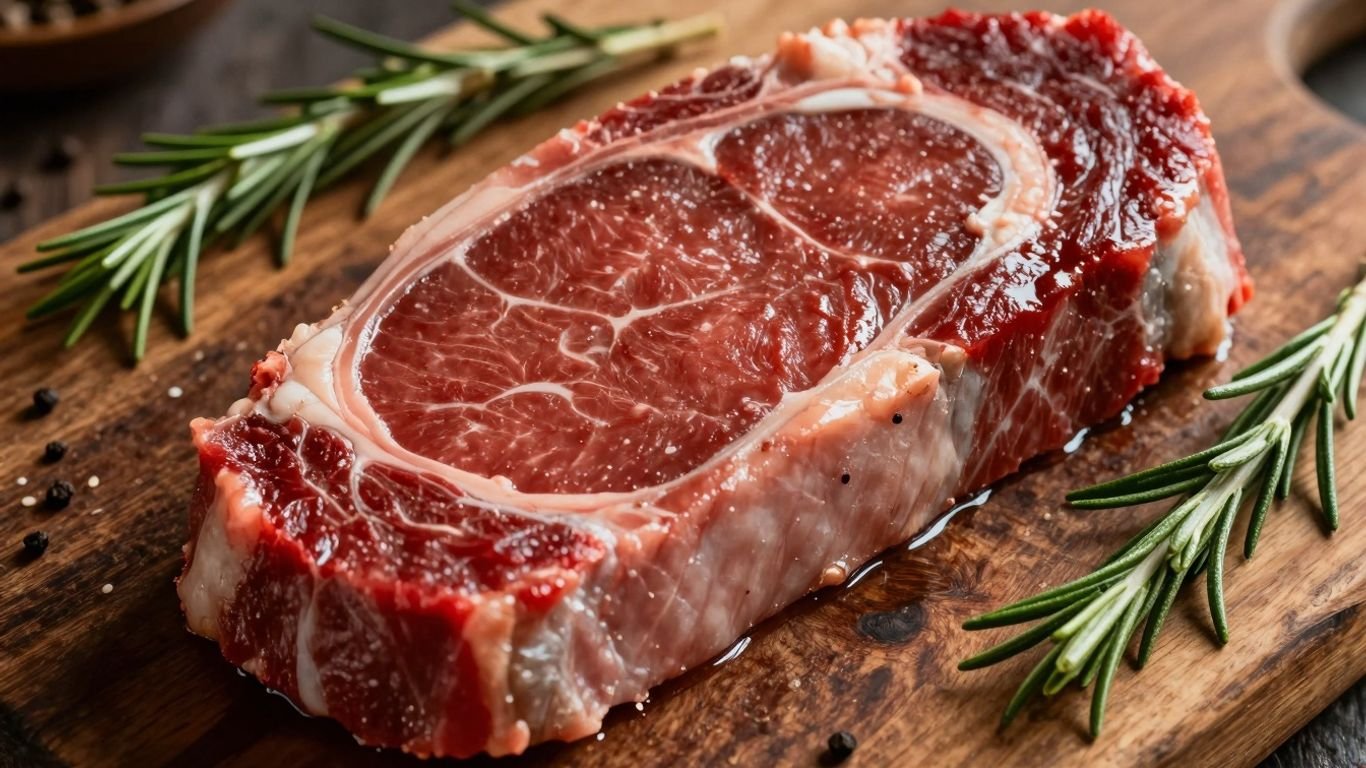
While creatine supplements are popular, you can also get this compound from your diet. The primary natural sources of creatine are animal products.
Here’s a breakdown of foods that contain creatine:
| Food | Details | Creatine per Kilogram |
| Red Meat | Beef, in particular, is a significant source. | Around 5 grams |
| Fish | Certain types of fish are also rich in creatine. Salmon and tuna are good examples. | Approximately 4.5 grams |
| Herring | A fatty fish known for its high creatine content. | Around 7-9 grams |
| Pork | Another common meat source. | Approximately 5 grams |
| Chicken | While lower than red meat, chicken breast still contains creatine. | Around 4.5 grams |
| Cod | A lean fish that provides a decent amount of creatine. | Around 4 grams |
While these foods provide creatine, the concentration is much lower compared to what you can achieve with supplements. For individuals looking to significantly boost their creatine levels for performance, supplementation is often a more practical and efficient route. Consistent protein intake from varied sources is key for overall health, and these foods contribute to that goal.
It’s worth noting that creatine is synthesized in the body from amino acids, but dietary intake can supplement this. For those not consuming animal products, creatine levels from diet alone will be very low, making supplementation a consideration.
Are There Any Side Effects of Creatine?

Here is a table outlining common and rare side effects, along with how to combat them:
| Side Effect | Frequency | How to Combat |
| Water Retention | Common | This is a normal physiological response. Ensure adequate hydration. It’s not fat gain. |
| Stomach Upset | Less Common | Take with food, split doses, or try a different form like micronized creatine. Ensure you are not taking too much at once. |
| Kidney Issues (Misconception) | Rare (and largely debunked for healthy individuals) | For healthy individuals, creatine does not cause kidney damage. Stay hydrated. Consult a doctor if you have pre-existing kidney conditions. |
| Cramping (Misconception) | Rare (and largely debunked) | Ensure adequate hydration. Creatine does not inherently cause cramping. |
| Dehydration (Misconception) | Rare (and largely debunked) | Stay well-hydrated. Creatine does not cause dehydration; in fact, it helps muscles retain water. |
While creatine is well-researched and generally safe for healthy adults, it’s always wise to consult with a healthcare professional before starting any new supplement, especially if you have underlying health concerns or are taking other medications.
So, is there a downside to taking creatine? For the vast majority of users, the downsides are minimal and manageable. The key is to use it responsibly, stay hydrated, and understand what it does and doesn’t do for your body. Doctors might advise caution if someone has specific kidney problems, but for general use, the evidence points to a good safety profile.
Wrapping Up
To recap, we’ve covered the basics of creatine and its benefits. It’s a well-researched supplement that can give you a boost in strength and muscle growth, especially if you’re doing intense workouts. Remember to stay hydrated and be consistent with your intake. It’s not a magic fix, but when combined with good training and nutrition, it can be a solid addition to your fitness plan. Give it a try and see how it works for you.
Frequently Asked Questions
What exactly is creatine and what exactly does it do?
It is a natural substance found in your body and in foods like meat and fish. It helps your muscles produce energy, especially when you’re doing quick, powerful activities like sprinting or lifting heavy weights. Think of it as extra fuel for your muscles during intense moments.
Is creatine a steroid?
No, it is not a steroid. It’s a completely different type of compound that your body makes on its own. It’s also found naturally in many common foods.
What are the main benefits?
The biggest benefits are improved athletic performance, especially in short bursts of intense activity, and increased muscle strength and power. Some studies also suggest it might help with brain function, like memory and focus.
Do I need to ‘load’ it, or can I just start taking it?
You can start with a smaller daily dose, and your muscles will gradually get more creatine over a few weeks. Some people prefer a ‘loading phase’ where they take more for the first week to speed this up, but it’s not strictly necessary for the long-term benefits.
What is the best type to use?
Creatine monohydrate is the most studied and proven type. It’s effective, affordable, and a great choice for most people, especially beginners. Other forms exist, but monohydrate is generally considered the gold standard.
How much should I take each day?
A common and effective daily dose for most adults is around 3 to 5 grams. If you choose to do a loading phase, you might take about 20 grams per day for the first week, split into smaller doses.
Is there a downside to taking creatine?
When taken as recommended, it is generally safe. Some people might notice a slight weight gain because it causes muscles to hold more water. It’s important to drink plenty of water. Serious side effects are very rare.
Can I get creatine from food, or do I need a supplement?
You can get it from eating red meat and fish, but you would need to eat a very large amount daily to match the levels you get from a supplement. For most people looking for performance benefits, supplementation is more practical and effective.
Why do doctors say not to take creatine?
Doctors generally don’t say *not* to take it for healthy individuals. They might advise caution or recommend against it if a patient has pre-existing kidney conditions or other specific health issues where creatine could potentially exacerbate problems. It’s always best to consult with a doctor before starting any new supplement to ensure it’s appropriate for your individual health status.
Will it burn belly fat?
No. Creatine doesn’t directly impact fat metabolism. Its benefits are related to energy production for high-intensity exercise and muscle growth, not fat loss. Any weight gain is typically due to increased water in the muscles.
Does it affect mood or anxiety?
While research in this area is still developing, some studies suggest that creatine supplementation might have a positive impact on mood and reduce symptoms of anxiety, particularly in individuals experiencing stress or sleep deprivation. However, more research is needed to fully understand the mechanisms and confirm these effects across different populations.