
Introduction
Citrulline Malate is a popular supplement among athletes and bodybuilders seeking improved endurance, muscle recovery, and enhanced exercise performance. It is often found in pre-workout formulas and has gained attention for its possible benefits in training scenarios. However, the effectiveness, safety, and legal status of Citrulline Malate should be critically examined through rigorous human studies.
Citrulline Malate is supported by human research for reducing fatigue and enhancing exercise performance, but dosing and individual response vary.
Key Takeaways
Citrulline Malate is a non-essential amino acid-malate salt supplement popular in sports nutrition.
Supported by human studies for increasing endurance and delaying fatigue.
Typical dosages are 6–8 grams pre-workout for performance effects.
Generally considered safe, but optimal dosing and long-term use require more data.
Legal for athletic use but always check specific sport anti-doping regulations.
Quick Facts Table
Category/Class | Typical Form | Research Status | Typical Effects | Known Risks | Legal/Regulatory Status |
|---|---|---|---|---|---|
Amino Acid Supplement | Powder | Human studies available | Endurance, recovery | Mild GI upset | Legal, not WADA banned |
What is Citrulline Malate?
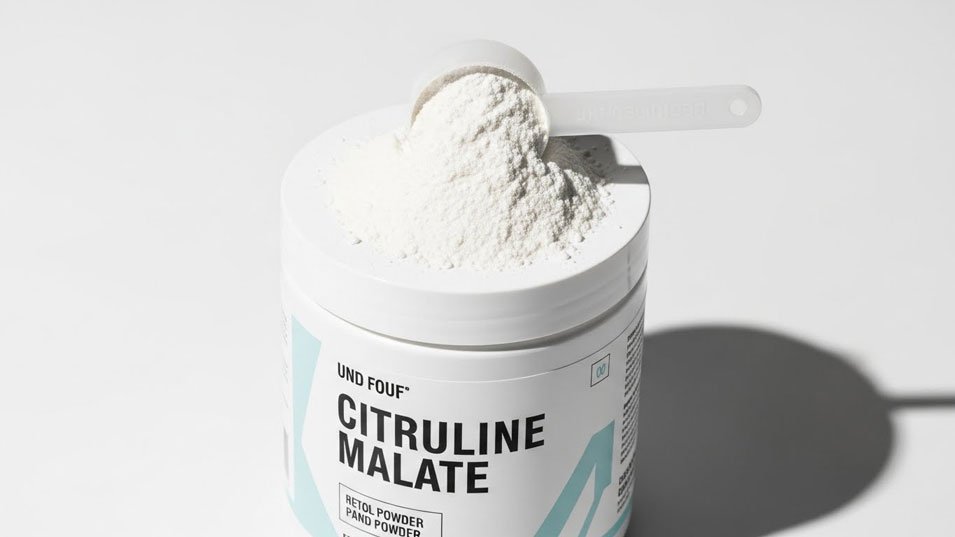
Citrulline Malate is a dietary supplement combining L-citrulline (an amino acid) with malic acid (malate), intended to support athletic performance and recovery. Originally developed as a fatigue reducer, it is commonly included in pre-workout blends for athletes and bodybuilders. The combination aims to enhance L-citrulline’s nitric oxide-boosting effects and the energy metabolism benefits of malate.
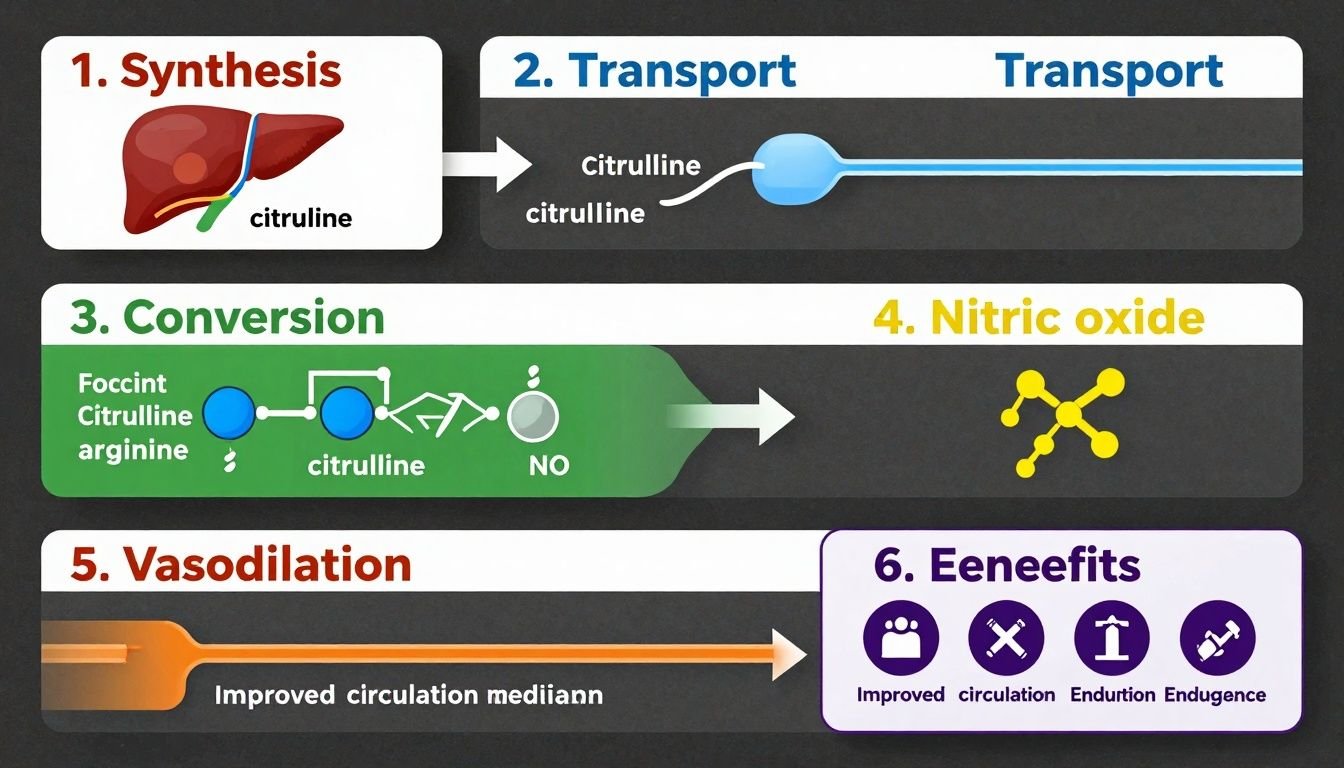
In the body, L-citrulline is converted to L-arginine, increasing nitric oxide (NO) synthesis, thereby supporting blood flow and nutrient delivery to muscles. Malate, a TCA cycle intermediate, is postulated to increase energy production and reduce lactic acid buildup. For athletes, this dual-action makes Citrulline Malate relevant for improving endurance and reducing post-exercise soreness.
Citrulline Malate is legal for over-the-counter sale in most countries and is not listed on the World Anti-Doping Agency (WADA) banned substance list, making it accessible for competitive athletes.
History & Development
Citrulline was first isolated from watermelon in the early 20th century, while malate is well-known from its role in the energy-production cycle (Krebs cycle). The combination as a supplement was developed in the 1980s in Europe, originally to fight fatigue from medical illnesses. Its use expanded into sports and fitness as studies began to emerge on performance enhancement, especially since the 2000s.
While animal and in vitro research predate sports applications, high-quality human trials on Citrulline Malate for exercise and recovery have only emerged in the last decade. The current evidence base includes both laboratory studies and real-world athletic trials – though gaps remain.
How Citrulline Malate Works
Mechanism of Action
Increases plasma L-arginine, leading to elevated nitric oxide levels.
Enhances vasodilation, supporting increased blood flow to working muscles.
Supports urea cycle function, removing ammonia and metabolic waste products.
Malate component may boost ATP production via the TCA/Krebs cycle.
Potentially reduces lactic acid buildup, delaying the onset of muscular fatigue.
Biological Effects
Increased nitric oxide synthesis and vasodilation.
Reduced muscle fatigue during high-intensity exercise.
Enhanced removal of ammonia and other metabolic byproducts.
Potential improvement in aerobic energy production.
Short-term reduction in perceived muscle soreness post-exercise.
Benefits of Citrulline Malate
May Reduce Perceived Exertion and Muscle Soreness
Human trials and meta-analysis evidence suggests that citrulline supplementation, including citrulline malate, may reduce immediate post-exercise ratings of perceived exertion (RPE) and muscle soreness 24–48 hours after intense exercise. A systematic review that included multiple randomized controlled trials found that citrulline products (often citrulline malate at ~8 g doses) significantly reduced RPE and muscle soreness shortly after workouts compared to placebo, though effects on longer-term soreness (72 h) or blood lactate levels were not significant 1.
Takeaway: Athletes may feel less muscle soreness and perceive effort as lower after training when taking citrulline malate, especially in the 24–48 h recovery window.
Increases Anaerobic Work Capacity in Some Contexts
One of the most frequently cited human studies with citrulline malate (8 g taken about an hour before exercise) demonstrated that participants performed significantly more repetitions during a high-volume resistance training protocol compared with placebo. In this randomized, double-blind crossover trial, resistance-trained men performing repeated sets of flat barbell bench presses completed more total reps and experienced less soreness at 24 and 48 h post-exercise when supplemented with citrulline malate versus placebo 2.
Takeaway: Citrulline malate may boost total work output and delay fatigue during repeated high-intensity resistance sessions, but responses are variable across protocols and athlete populations.
Evidence on Aerobic Performance Is Limited and Inconsistent
Some research and reviews suggest that chronic citrulline supplementation (multiple days) might improve aspects of aerobic exercise performance or oxygen kinetics, but evidence is mixed and not consistently supported in well-controlled trials. A narrative overview indicates that although some studies report improved VO₂ kinetics or submaximal performance measures, many others find no effect on endurance metrics like time-to-exhaustion or high-intensity aerobic output 3.
Takeaway: Citrulline malate’s effects on aerobic endurance performance are inconsistent and not robustly supported by current human data.
Does Not Consistently Improve Muscle Fatigue or Strength Output
In several controlled human studies, citrulline malate did not significantly enhance measures of fatigue resistance, strength performance, or post-exercise recovery in certain exercise contexts. For example, an investigation with a mixed exercise battery found no improvement in peak power, torque, or fatigue rate compared with placebo, and another chronic training study showed no benefit during German volume training for repetition performance or recovery markers 4.
Takeaway: Citrulline malate does *not consistently improve muscular strength, power output, or physiological fatigue markers in all populations, and some trials report no benefit.
Side Effects & Safety
Citrulline Malate is generally well-tolerated in short-term human studies, with few adverse reactions at typical athletic dosages (6–8g). Most reported side effects are mild and transient in nature.
Mild Gastrointestinal Discomfort
Gastrointestinal upset (nausea, diarrhea, stomach cramping) is the most common side effect noted, especially at higher doses (>8g). Human studies consistently report that fewer than 10% of subjects experience these symptoms and that they resolve post-activity. Hydration and splitting doses can reduce risk.
Unclear Effects in Chronic High-Dose Use
While no significant adverse effects have been reported in studies up to 8g/day for several weeks, long-term safety evidence is lacking. There are currently no human studies extending beyond several months, so long-term impacts on metabolic pathways or vascular function are not fully understood.
Interactions (if applicable)
There are no documented, direct negative interactions between Citrulline Malate and medications in human studies. However, athletes taking blood pressure medications or erectile dysfunction drugs (which also work via nitric oxide) should consult a doctor before use due to theoretical additive effects.
Pros & Cons (Table)
Pros | Cons |
|---|---|
Supported by human endurance and fatigue studies | Mild GI upset at high doses (>8g) |
Legal and easy to obtain; not WADA banned | Long-term safety evidence limited |
May reduce muscle soreness post-training | Aerobic benefits not universal/consistent |
Multiple forms available (powder/capsule) | Not all users experience significant benefits |
Can stack with other non-banned supplements | High cost relative to some amino acids |
Generally low risk in healthy individuals |
How Athletes & Bodybuilders Use Citrulline Malate
Practical Usage Scenarios
Athletes use Citrulline Malate primarily for endurance events, resistance training, and to aid recovery between workouts. Bodybuilders often supplement pre-workout to push through more reps and reduce next-day soreness.
Cutting: Used to support energy and performance while dieting.
Bulking: Taken to increase training volume and workload capacity.
Rehabilitation/Return-to-play: Occasionally used to support blood flow and speed up muscle recovery (secondary to other rehab approaches).
Timing, Forms, & Implementation
Commonly consumed as a powder mixed with water 30–60 minutes before training.
Typical dosage: 6–8g once daily, based on most studies.
Alternatives: Capsules are less common due to higher required volume; some athletes split doses if GI upset.
Monitoring & Safety Notes
Start at lower doses (4–6g) and titrate up.
Watch for GI symptoms and adjust pre-workout nutrition accordingly.
Consult with a qualified medical or sports professional prior to long-term use.
“No relevant internal pages found in sitemap.”
Comparison to Similar Compounds
Comparison Table
Compound | Use | Mechanism | Effect Size | Risks | Regulatory Status |
|---|---|---|---|---|---|
Citrulline Malate | Performance | NO increase, TCA support | Moderate-High | Mild GI, unclear LT | Legal, not banned |
L-Arginine | Performance | NO precursor | Low-Moderate | GI upset | Legal, not banned |
Beta-Alanine | Endurance | Buffering (carnosine) | Moderate | Paresthesia | Legal, not banned |
Strength | ATP regeneration | High | Water retention | Legal, not banned | |
Nitrate/Beetroot | Endurance | NO pathway | Moderate | GI upset | Legal, not banned |
Taurine | Fatigue | Osmoregulation | Low | Minimal | Legal, not banned |
BCAAs | Recovery | Substrate, fatigue delay | Low | Minimal | Legal, not banned |
Analysis
Citrulline Malate stands out for its dual mechanism and robust safety profile in short-term use, but is less proven for maximal strength or chronic use versus stalwarts like creatine.
Legality & Regulatory Status
US FDA: Sold as a dietary supplement, not a drug; monitoring for claims.
WADA (World Anti-Doping Agency): Not currently listed as a banned substance.
EMA (European Medicines Agency): Legal as supplement, with claims monitored.
UK MHRA: Sold as non-medicinal supplement.
Australia TGA: Legal in supplements, compliant with typical sports supplement laws.
Where to buy “Citrulline Malate”?
Citrulline Malate is widely available online and in brick-and-mortar supplement stores. Always prefer brands providing third-party testing for purity and dose. Research-grade products or those certified by reputable bodies ensure safety and label accuracy.
Alternatives to Citrulline Malate
L-Arginine: Also boosts nitric oxide but is less bioavailable than citrulline.
Beetroot Juice (Nitrate): Enhances NO via a different pathway; endurance performance supported by studies.
Beta-Alanine: Extends endurance by increasing muscle carnosine, buffering lactic acid.
Creatine Monohydrate: Best proven for short-burst power and strength.
Taurine: Some support for fatigue and cellular hydration, though not as robust as citrulline.
Frequently Asked Questions (FAQ)
Q: Is Citrulline Malate legal for athletes in competition?
A: Yes, Citrulline Malate is legal and not on the WADA banned list as of this writing.
Q: What is the best dose of Citrulline Malate?
A: Most studies use 6–8 grams, taken 30–60 minutes before exercise.
Q: Does Citrulline Malate work immediately?
A: Effects are generally noticed within 1 hour of consumption in exercise settings.
Q: Are there long-term safety data on Citrulline Malate?
A: No; studies over several months are lacking, so caution is advised for chronic use.
Q: Can Citrulline Malate improve muscle growth?
A: No direct evidence; primary benefit is in endurance/recovery, not hypertrophy.
Q: What side effects are most common?
A: Mild gastrointestinal upset at higher doses is most reported.
Q: Can teenagers or youth athletes safely use Citrulline Malate?
A: Evidence is limited in youth; medical supervision is strongly recommended.
Q: Should I cycle Citrulline Malate?
A: No formal cycling required, but periodic breaks may be prudent.
Q: Will Citrulline Malate cause a failed drug test?
A: Unlikely, but always check with your sport’s governing body for updates.
Q: Can I stack Citrulline Malate with other supplements?
A: Often stacked with caffeine, beta-alanine, or creatine; avoid if unsure.
Q: Does Citrulline Malate raise blood pressure?
A: Generally, it may lower or have no effect, due to vasodilator action.
Q: Where is the best place to buy it?
A: Reputable supplement retailers with third-party lab testing.
Q: Is Citrulline Malate the same as L-citrulline?
A: No, it’s a combination product; some effects may differ from pure L-citrulline.
Q: Does it help with erectile dysfunction?
A: Some evidence in men with mild ED, but not its primary use in sports.
Q: What results should I expect?
A: Potentially more reps, reduced fatigue, and less soreness; results vary.
Conclusion
Citrulline Malate is a well-supported, legal, and generally safe supplement for athletes aiming to optimize training volume, endurance, and post-exercise recovery. Not all users will experience noticeable effects, but studies confirm benefits in well-structured resistance and endurance exercise protocols.
Safety data for short-term, moderate-dose use are reassuring, with GI upset the only notable side effect in most cases. However, chronic high-dose or unsupervised use is not advised pending further research.
Athletes should consider reputable sources, monitor their response to the supplement, and consult professionals before making it a staple in their regimen.
Athlete Final Checklist
Start at lower doses and increase only if well-tolerated.
Monitor for any GI discomfort after dosing.
Discontinue use if any allergic or concerning symptoms arise.
Confirm continued legal status with sport authority.
Review supplement certification for banned substances.
Reassess need for Citrulline Malate every 2–3 months.
Pair supplementation with well-structured training and diet.
Report any persistent or unusual health effects to a professional.
Studies / References
- Systematic Review: Effect of citrulline on post-exercise RPE and muscle soreness — Meta-analysis of 13 RCTs showing reduced perceived exertion and soreness at 24–48 h but no effect on lactate. PubMed ↩︎
- Pérez-Guisado J, Jakeman PM. Citrulline Malate enhances athletic anaerobic performance and relieves muscle soreness. J Strength Cond Res. 2010;24(5):1215–1222. PMID: 20386132 — Found increased repetitions and reduced soreness after 8 g citrulline malate vs placebo in resistance exercise. PubMed ↩︎
- Gonzalez, Adam M.1; Trexler, Eric T.2. Effects of Citrulline Supplementation on Exercise Performance in Humans: A Review of the Current Literature. Journal of Strength and Conditioning Research 34(5):p 1480-1495, May 2020. | DOI: 10.1519/JSC.0000000000003426 ↩︎
- Farney TM, Bliss MV, Hearon CM, Salazar DA. The effect of citrulline malate supplementation on muscle fatigue. J Strength Cond Res. 2019;33(9):2464-2470. PMID: 29176388 — No significant improvement in muscular fatigue or performance in high-intensity exercise trial. PubMed ↩︎