

Introduction
Laxogenin has gained popularity in recent years as a novel supplement among athletes, bodybuilders, and strength enthusiasts seeking performance and physique enhancement. Marketed as a plant-derived, non-hormonal anabolic agent, laxogenin is often positioned as an alternative to traditional anabolic steroids or testosterone boosters.
This article provides an expert, evidence-based overview of laxogenin, addressing what is currently known from human research about its effects, safety, practical applications, and legal considerations for athletes. All information is grounded in the best available human evidence and tailored for performance-focused readers seeking clarity rather than hype.
Key Takeaways
- Laxogenin is a plant-derived compound commonly classified among steroidal saponins, but its effects in humans are not comparable to anabolic steroids.
- Human research is extremely limited; robust evidence for muscle growth, strength, or enhanced performance is lacking.
- Most claims are extrapolated from animal or in vitro studies, which do not reliably predict human outcomes.
- Early safety data suggest laxogenin is generally well-tolerated for short periods, but long-term safety is unknown.
- Individual responses may vary; athletes should approach with medical caution.
Quick Facts Table
| Feature | Detail |
|---|---|
| Compound Name | Laxogenin |
| Compound Type | Supplements |
| Primary Source | Derived from Smilax sieboldii (plant origin) |
| Human Research Status | Minimal, limited data |
| Main Claim | Muscle growth and performance support |
| Legal Status | Not approved as a pharmaceutical; mostly unregulated |
| Typical Form | Oral capsules/tablets |
| Main Safety Concern | Unknown long-term effects |
What is Laxogenin?
Laxogenin is a plant-based compound belonging to the class of steroidal saponins or brassinosteroids, primarily extracted from the Smilax sieboldii plant. It is sometimes called 5-alpha-hydroxy-laxogenin. Despite frequent comparisons to synthetic anabolic steroids, laxogenin is structurally distinct and not classified as a prohormone or controlled substance in most jurisdictions. Its appeal among strength athletes stems from claims of natural anabolic effects without androgenic or hormonal disruption.
History & Development
Laxogenin was first isolated in the 1990s as part of research into plant brassinosteroids, which are phytochemicals known to play roles in plant growth regulation. Supplement companies began marketing laxogenin in the mid-2010s, touting its potential for muscle protein synthesis, recovery, and lean mass gains as an over-the-counter alternative to mainstream anabolic agents. Its legal status and natural origin contributed to rapid adoption in the sports supplement market, though clear standardized dosing and quality control remain ongoing industry issues.
How Laxogenin Works
Mechanism of Action
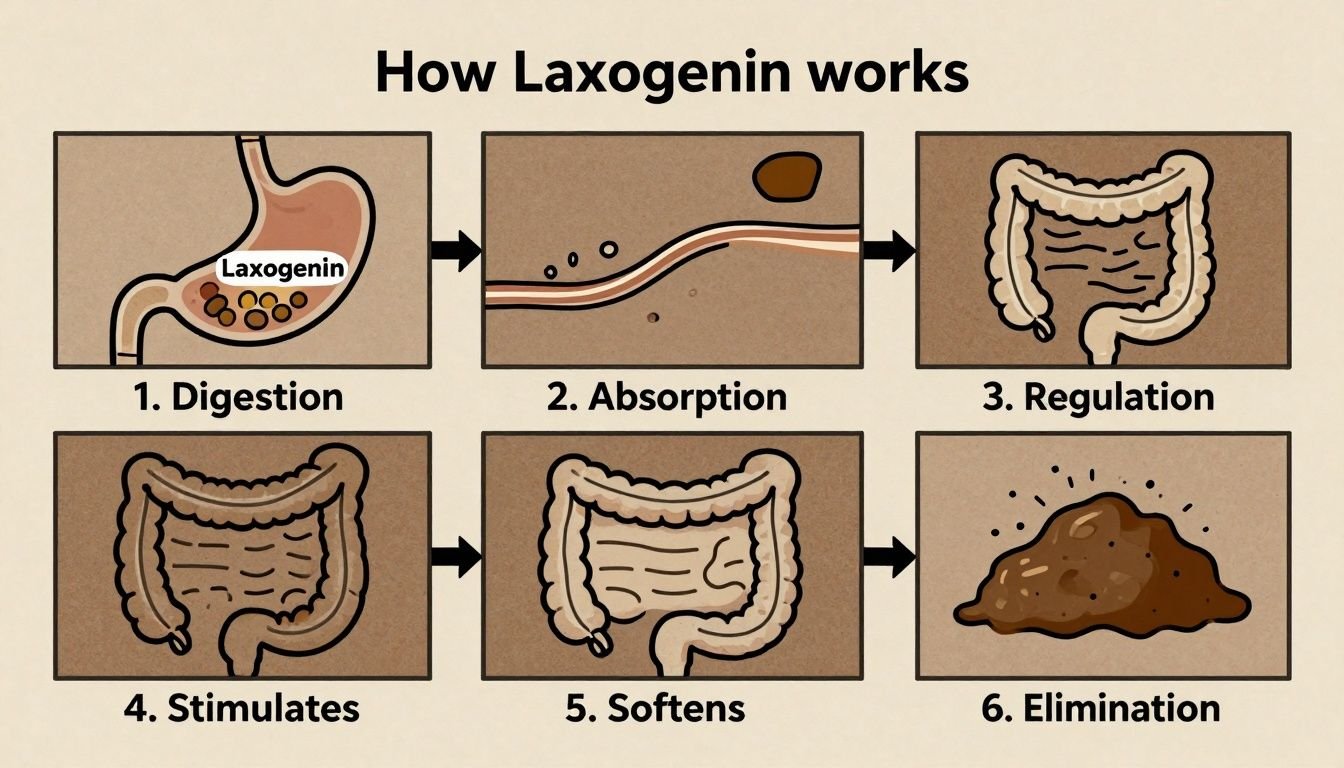
Laxogenin is hypothesized to interact with anabolic pathways in the body, potentially supporting muscle protein synthesis and inhibiting protein breakdown. Some propose that it modulates signaling cascades similar to those triggered by anabolic steroids, albeit to a much weaker and less direct degree. Unlike exogenous androgens, laxogenin does not convert to testosterone or other sex hormones and is not believed to bind androgen receptors. The precise mechanism in humans remains speculative due to lack of direct evidence. Proposed actions include:
- Upregulation of protein synthesis enzymes
- Potential inhibition of muscle-degrading pathways
- No known impact on endogenous hormone levels in short-term use
Biological Effects
Human studies on the biological impact of laxogenin are extremely sparse. In animal models, related compounds have shown potential for muscle mass preservation and minor anabolic activity, but these findings have not been reliably replicated in human populations. In vitro experiments suggest laxogenin may have modest effects on molecular markers related to muscle function, but these do not always translate to whole-body outcomes in living humans.
Benefits of Laxogenin
Human evidence for the benefits of laxogenin remains extremely limited. Most positive claims are based on extrapolations from animal research, short-term pilot trials, or in vitro data. The following sections examine potential benefits alongside the current state of human evidence.
Muscle Growth and Lean Mass
Controlled trials in humans are notably lacking. Although supplement advertisements often claim significant muscle growth, available human observations do not show a pronounced anabolic effect. Some athletes report subjective improvements in muscle fullness, but these are anecdotal and have not been validated in controlled settings. True body composition changes attributed to laxogenin are likely minimal without rigorous supporting data.
Strength and Power Output
Evidence supporting increased strength or power output from laxogenin supplementation is very weak. Theoretical mechanisms exist, but no human trials have conclusively demonstrated enhanced maximal strength, power, or athletic performance. Many reported improvements can be attributed to training adaptations, placebo effects, or baseline nutrition rather than a direct action of the compound.
Recovery Support
Some users assert laxogenin assists with recovery following intense training. The putative mechanism would involve a reduction in exercise-induced muscle breakdown and inflammation. However, human assessments of post-exercise muscle damage, inflammation markers, or perceived soreness with laxogenin have not shown significant differences compared to placebo in the limited available data.
Endurance and Work Capacity
The influence of laxogenin on athletic endurance or sustained work capacity remains speculative. In vitro and non-human studies have suggested possible effects on energy metabolism, but human athletes have not demonstrated consistent improvements in VO2 max, time-to-failure, or fatigue resistance as a result of supplementing with laxogenin.
Hormonal Balance and Body Composition
Laxogenin is repeatedly described as non-hormonal. Studies indicate it does not suppress or stimulate endogenous testosterone or estradiol production acutely. Thus, it does not seem to influence hormone balance, fertility, or cause androgenic side effects in the short term. However, longer-term data is lacking, and unknown risks may exist.
Injury Support (Speculative and Unproven)
Some discussions reference potential “connective tissue” or joint-protective properties attributed to brassinosteroids. Direct evidence for laxogenin improving tendon or ligament recovery is absent in humans. Claims in this area remain speculative and unsupported by clinical research.

Side Effects & Safety
Human safety data for laxogenin is extremely limited, with the vast majority of reports coming from self-experimenters and case studies rather than well-controlled research. Available evidence suggests most users tolerate short-term use without acute adverse effects, but this does not guarantee safety for everyone, nor does it provide adequate insight into long-term risks.
Gastrointestinal Distress
Some athletes have reported experiencing mild digestive issues such as nausea, bloating, or diarrhea when taking laxogenin supplements. These effects appear dose-dependent and generally resolve with discontinuation or dose reduction. Systematic human safety studies are lacking.
Unknown Long-Term Effects
There are currently no published long-term human studies on the safety of chronic laxogenin use. The compound’s impact on organs, hormonal axes, metabolic health, or cardiovascular risk over many months or years remains unclear. Caution is strongly warranted, particularly for those with pre-existing health conditions or concurrent supplement regimens.
Interactions
No well-characterized drug or nutrient interactions with laxogenin have been documented in controlled human trials. Nonetheless, as a bioactive phytochemical, unknown potential for interactions cannot be excluded. Individuals using prescription medications or multiple supplements should consult a knowledgeable healthcare professional before considering use.
Pros & Cons
| Pros | Cons |
|---|---|
| Non-hormonal; generally well-tolerated | Human research is extremely limited |
| Not classified as a steroid | Most benefits are speculative |
| Not associated with androgenic side effects (short-term) | Long-term safety unknown |
| Legally available in most regions | Lack of standardization or quality control |
| May appeal to “natural” athletes | May cause mild GI issues in some |
How Athletes & Bodybuilders Use Laxogenin
Practical Usage Scenarios
Athletes who elect to experiment with laxogenin often do so based on its purported ability to enhance muscle hypertrophy and recovery without hormonal side effects. Scenarios may include:
- Off-season bulking phases as a potential muscle-support supplement
- During post-cycle recovery for individuals discontinuing anabolic compounds (not as direct PCT)
- When seeking legal, non-banned options for physique maintenance
Timing, Forms, & Implementation
- Most laxogenin products are offered as oral capsules or tablets with recommended dosages typically ranging from 50 mg to 200 mg per day.
- Some athletes use split dosing to reduce GI discomfort and attempt to maintain stable serum levels, though these strategies are speculative and not grounded in clinical evidence.
- There is no consensus on optimal cycle length, but 4–8 weeks is common in commercial guidance (not evidence-based).
Monitoring & Safety Notes
- Athletes choosing to use laxogenin should track any adverse symptoms and discontinue use if issues occur.
- Consider periodic health checkups and laboratory tests if using for extended periods, especially if combining with other supplements.
- Avoid use during pregnancy, breastfeeding, or in minors due to unknown risks.
Comparison to Similar Compounds
Overview
| Compound | Source | Human Evidence | Known Risks | Legal Status | Hormonal Effects |
|---|---|---|---|---|---|
| Laxogenin | Plant-based | Minimal | GI upset, unknown | OTC (gray area) | None (short-term) |
| Ecdysterone | Plant/insect | Moderate | Minimal, unknown LT | Not regulated (varies) | None (short-term) |
| DHEA | Endogenous/hormone | Good (some) | Hormonal, acne | Rx in some regions | Can raise androgens |
| Creatine | Endogenous | Strong | Well-studied, rare | OTC | None |
| Anabolic steroids | Synthetic | High | Significant, banned | Controlled substance | Profound androgenic |
Analysis
Compared to other muscle-support supplements, laxogenin offers no documented hormonal effects and boasts a generally favorable short-term safety profile in anecdotal accounts. However, the strength of human evidence is far inferior to that of compounds like creatine or even DHEA. Many athletes view laxogenin as a “natural” or “legal” alternative to more potent (and riskier) anabolic agents, but this comes with the notable caveat of unknown efficacy and risks. In comparison, creatine’s performance-enhancing properties are extensively validated in human athletes, whereas laxogenin remains a largely unproven option.
Legality & Regulatory Status
As of the current state of regulation, laxogenin is not scheduled or banned in most countries and is sold as a dietary supplement in the United States and many other regions. However, it is not approved as a medicine or food additive by the U.S. FDA, and some sports governing bodies may prohibit its use based on evolving supplement policies. Athletes subject to anti-doping rules must verify current regulations, as products are frequently mislabeled or contaminated.
Where to buy “Laxogenin”?

Laxogenin is widely available online via supplement retailers, specialty sports nutrition stores, and some brick-and-mortar outlets. Product quality, purity, and actual content can vary greatly; independent lab testing of supplement brands reveals inconsistent dosages and the potential presence of unlisted ingredients. Purchasers should look for third-party tested products and avoid compounds advertised for unproven medical or drug-like claims. Always verify the legal status in your sport and region before purchase.
Alternatives to Laxogenin
- Creatine monohydrate is the most evidence-backed legal performance supplement, supporting muscle strength and work capacity for a broad range of athletes.
- Ecdysterone (beta-ecdysterone) is another plant-derived steroidal supplement with somewhat more human evidence, but its efficacy profile is still under investigation.
- Protein supplements (whey, casein, plant-based) reliably support muscle growth through well-established nutritional means when used with appropriate training.
- Well-structured resistance and conditioning programs remain the foundational avenue for performance enhancement, with supplements playing a supporting—never primary—role.
Frequently Asked Questions (FAQ)
Is laxogenin a steroid or prohormone?
It is a plant-derived steroidal sapogenin, not a synthetic anabolic steroid or prohormone, and does not convert to testosterone or other hormones in humans based on current data.
Does it cause positive drug tests?
It is not detected as an anabolic steroid in standard anti-doping tests; however, contaminated supplements may pose risks. Always check the prohibited list relevant to your sport.
How fast does it work?
There is no reliable evidence for rapid gains. Any observed effects are likely to be modest and context-dependent.
Does it increase testosterone?
No, human research suggests laxogenin does not alter testosterone or major sex hormones in the short term.
What is the optimal dose?
No evidence-based dosing exists. Most commercial products offer 50–200 mg daily, but clinical trials to establish optimal or safe dosing are lacking.
Can women use laxogenin?
Short-term use does not appear to cause androgenic side effects in women, but comprehensive safety data are unavailable—caution is advised.
Conclusion
Laxogenin is marketed as an innovative, natural alternative to anabolic agents, but its status as a legitimate performance enhancer for athletes remains unproven in the realm of human research. Available evidence indicates it is generally well-tolerated for short-term use without hormonal side effects.
However, the body of high-quality studies in athletes is virtually nonexistent, and long-term risks are entirely unknown. For performance-minded individuals seeking novel, safe, and highly effective supplements, more thoroughly researched alternatives such as creatine should remain the primary choice. If using laxogenin, athletes should prioritize transparency, quality assurance, and ongoing self-monitoring, always placing health before hype.
Athlete Final Checklist
- Review current anti-doping regulations in your sport regarding laxogenin and supplement use.
- Consult a medical professional before use, especially if taking other medications or supplements.
- Prefer products with third-party lab certifications for purity and dose accuracy.
- Track any adverse reactions or new symptoms and discontinue use if there are concerns.
- Prioritize proven training, nutrition, and recovery protocols; view supplements like laxogenin as experimental, not essential.
- Revisit the evidence base periodically, as new research may clarify the role—or lack thereof—of laxogenin as a performance supplement.