

HMB (Beta-Hydroxy Beta-Methylbutyrate) has gained a reputation as one of the most effective and evidence-based supplements for muscle preservation and recovery in both bodybuilding and strength sports. Athletes are continually searching for ways to break through plateaus, grow lean muscle, or maintain muscle mass during tough cuts—HMB has become a favorite tool for these goals.
Thanks to its unique mechanism that directly targets muscle breakdown, it is especially relevant for bodybuilders, powerlifters, and endurance athletes. While it may not have the instant hype of certain stimulants or prescription enhancers, its scientific legitimacy stands out. It’s legal, naturally derived, and widely accepted in competitive sports.
If you’re serious about performance and maximizing your body’s capacity to recover, it deserves a place in your supplement stack. This article covers every aspect of Beta-Hydroxy Beta-Methylbutyrate supplementation, from benefits and dosages to risks and legal status.
Key Takeaways
- HMB is a powerful anticatabolic supplement that helps prevent muscle breakdown during training and calorie deficits.
- Clinically proven to support muscle mass retention, strength gains, and recovery.
- Safe and legal for use in athletic competition—cleared by global regulatory agencies.
- Best results shown in athletes undergoing intense training, calorie restriction, or returning after a layoff.
- Minimal side effects when used according to guidelines.
Quick Facts
| Category/Class | Research Status | Typical Effects | Known Risks | Legal Status |
|---|---|---|---|---|
| Supplement (Metabolite of leucine) | Well-studied, over 50+ trials | Reduced muscle loss, improved recovery | Mild GI upset, very safe | Legal globally |
What Is HMB?
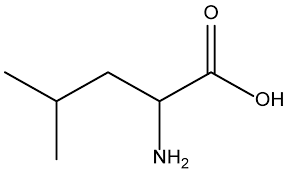
HMB, or Beta-Hydroxy Beta-Methylbutyrate, is a metabolite of the essential amino acid leucine, one of the most important building blocks for muscle protein synthesis. While leucine is found abundantly in dietary protein, only about 5% of ingested leucine converts into HMB—making direct supplementation the best way to achieve effective levels.
HMB falls into the category of muscle-protective supplements. It is used by bodybuilders and athletes to prevent muscle breakdown (catabolism) during periods of intense training, calorie restriction, or inactivity due to injury.
Athletes appreciate it for both performance applications and rehabilitation. During cutting cycles, contest prep, or overreaching phases (like high-volume training), it helps safeguard hard-earned muscle tissue. It’s also frequently used during recovery from injury, minimizing muscle loss when training is reduced or paused.
Its popularity has grown due to a substantial body of peer-reviewed studies supporting both safety and efficacy, especially in natural athletes.
History & Development
HMB was first identified as a distinct metabolite of leucine in the late 20th century. Early research in the 1990s found that HMB could significantly reduce muscle protein breakdown in both animal and human models, with initial studies focusing on elderly populations and patients experiencing muscle wasting (cachexia).
Subsequent clinical trials shifted focus toward healthy athletes and bodybuilders. The emerging evidence revealed that HMB could enhance strength gains, accelerate recovery, and protect against muscle loss even under intense physical stress. Today, HMB is one of the most extensively studied and safest supplements in the sports nutrition world.
How HMB Works
Mechanism of Action
- Anticatabolic effect: HMB inhibits pathways responsible for muscle protein breakdown, especially the ubiquitin-proteasome system.
- Supports protein synthesis: It acts similarly to leucine by activating mTOR, a major regulator of muscle growth.
- Stabilizes cell membranes: HMB strengthens muscle cell membranes (sarcolemma), reducing damage during exercise and aiding recovery.
- Reduces muscle damage markers: Lowers blood levels of creatine kinase and lactate dehydrogenase post-workout, indicating less muscle damage.
Biological Effects / Intended Actions
- Reduces muscle loss during calorie deficit or inactivity
- Accelerates post-exercise recovery
- Sustains muscle mass during injury or overreaching phases
- Increases strength adaptations in conjunction with resistance training
- Supports lean mass gains in beginners and returning athletes
Benefits of HMB (Beta-Hydroxy Beta-Methylbutyrate)
HMB’s effectiveness is backed by dozens of clinical trials across varied populations, from novice lifters to high-level athletes and even elderly or clinical subjects. If you want to build or preserve muscle while supporting recovery, it is a safe and proven option.
Reduces Muscle Breakdown
HMB’s core benefit is its ability to blunt catabolism. Multiple studies—including a meta-analysis in the Journal of Strength and Conditioning Research—found that HMB supplementation significantly reduces muscle protein breakdown, especially during calorie restriction or intense training blocks. Athletes cutting for competition or training in a deficit see the greatest impact.
Improves Recovery Post-Exercise
Faster recovery means more frequent, higher-quality workouts. HMB supplementation has consistently shown reduced muscle soreness and improved function post-exercise. This is crucial for athletes following demanding routines, where even a 12–24 hour advantage in recovery can boost training quality and prevent overtraining.
Increases Lean Mass in Novice and Returning Athletes
Novices, detrained, or injured athletes see the greatest muscle gains with HMB. Research shows that HMB supplementation improves lean body mass and strength gains, particularly during the first weeks of new training blocks or when returning after layoffs (like injury heal time or off-season). This makes it valuable for both beginners and those recovering from setbacks.
Enhances Strength and Power Output
Several controlled trials document performance gains in strength and power. In studies of athletes supplementing with it for 4–8 weeks, notable improvements in 1RM (one-rep max) lifts and anaerobic power were observed. This makes it effective not just for muscle retention, but also as a performance enhancer for lifting and explosive sports.
Aids Fat Loss When Dieting
HMB is not a direct fat burner but helps athletes maintain muscle mass while losing fat. By preventing muscle wasting, it shifts body composition outcomes toward greater fat loss, less muscle loss during calorie restriction. This is ideal for contest prep or making weight for competitions.
Supports Rehabilitation After Injury or Surgery
Athletes facing forced inactivity benefit greatly from HMB’s anti-catabolic effect. Evidence shows it helps maintain muscle size and strength during immobilization, bed rest, or post-surgery rehab phases. This translates to faster bounce-back and retention of previous training gains.
Side Effects & Safety
HMB is widely regarded as one of the safest performance supplements available. Reported side effects are extremely rare and typically mild. Nevertheless, understanding potential risks is important for every athlete.
Gastrointestinal Distress
Some users may experience mild GI symptoms. Occasional complaints include bloating, gas, or mild stomach discomfort—especially at very high doses (>5g/day). Splitting the total dose into 2–3 servings and consuming with meals reduces this risk.
No Known Hormonal Side Effects
HMB does not affect testosterone, estrogen, or other hormones. This sets it apart from substances like prohormones or SARMs. It is safe for both male and female athletes, and appropriate for long-term use.
No Liver or Kidney Toxicity
Clinical trials have found no evidence of liver toxicity or kidney stress. It is metabolized efficiently and does not accumulate in organs. Thousands of study subjects over decades have reported no abnormal lab values or adverse events relating to major organs.
Interactions With Other Supplements Or Medications
No significant drug interactions have been identified. It is safe to stack with creatine, BCAAs, whey protein, and most performance supplements. However, athletes on medication should consult healthcare providers, particularly if managing chronic conditions.

Pros & Cons
HMB is respected for its safety, versatility, and real-world results. Like all supplements, it works best when paired with robust training and nutrition.
| Pros | Cons |
|---|---|
| Clinically proven to preserve muscle | Effects strongest in untrained or returning users |
| Improves recovery | Relatively expensive compared to BCAAs |
| Extremely high safety profile | Not a direct fat burner |
| No impact on hormones or organs | Benefits plateau with long-term use |
| Legal for all sports | Mild GI upset possible at high doses |
How To Use HMB (Beta-Hydroxy Beta-Methylbutyrate)
HMB comes primarily in capsule, tablet, or powder form. The most commonly researched and effective dose is 3g per day, usually split into 1g taken 2–3 times daily with meals. Some athletes use a loading phase of 6g/day for the first 2 weeks in highly catabolic situations, but this is not necessary for most users.
Usage protocols:
- Best results are seen when HMB is taken daily, without interruption, even on rest days.
- Stacking: HMB stacks well with creatine, protein, BCAAs, and carbohydrate-based recovery blends.
- Timing: Most evidence suggests daily total intake is more important than precise timing, but taking a dose pre-workout may further reduce muscle damage.
- Recovery: HMB is especially beneficial during deloads, cutting, or post-injury rehab.
- No post-cycle therapy required—unlike SARMs or prohormones, HMB does not impact hormones.
Comparison to Similar Compounds
There are several other supplements in the muscle-protection or anticatabolic category. Here’s how HMB compares:
| Compound | Primary Use | Mechanism | Strength/Effect Size | Known Risks | Regulatory Status |
|---|---|---|---|---|---|
| HMB | Anti-catabolic, recovery | Inhibits muscle breakdown, supports protein synthesis | Strong, especially during calorie deficit/new training | Minimal, GI only | Legal globally |
| Leucine | mTOR activation, protein synthesis | Stimulates protein synthesis | Medium, not anti-catabolic | None | Legal globally |
| Creatine | Strength, muscle growth | ATP regeneration, cell swelling | Strong, increases power | None, minor GI in some | Legal globally |
| BCAAs | Reduce fatigue, protein synthesis | Compete with tryptophan, mild anti-catabolic | Mild, limited for trained athletes | None | Legal globally |
| Glutamine | Recovery, gut health | Amino acid, immune & GI support | Mild, mostly clinical use | None | Legal globally |
Legality & Regulatory Status
- United States: Legal for sale and competition, not classified as a banned or controlled substance.
- World Anti-Doping Agency (WADA): HMB is permitted. No restrictions in tested sports.
- Europe & UK: Regulated as a nutritional supplement, legal to buy and use.
- Australia/New Zealand: Permitted, but products should comply with TGA/Food Standards codes.
- Canada: Classified as a nutritional supplement, no restrictions when sold appropriately.
- All major athletic organizations: HMB is not a performance-enhancing drug, and is legal in the Olympics and all professional leagues.
Where to Buy HMB?
HMB supplements are available globally, both online and in-store. Look for third-party tested products from established brands to ensure purity and potency. Regulatory status is very clear, making HMB easy to source in nearly any country.
Alternatives
While HMB is safe and effective, some athletes may prefer other pathways for similar muscle-retention benefits, especially when budget is a concern or individual response is lower.
- Leucine Supplements: Direct precursor to HMB, also activates muscle growth.
- Creatine Monohydrate: Increases muscle volume, supports strength, and performance.
- Whey Protein Isolates: Fundamental for muscle retention and growth.
- BCAAs: May provide short-term muscle protection, especially in calorie deficit.
- Casein Protein: Slow-digesting, ideal for overnight muscle repair.
FAQ
1. Does HMB build muscle directly?
It mostly preserves muscle rather than directly building it, but can increase lean mass in new or returning athletes.
2. Do I need HMB if I already take BCAAs or leucine?
While BCAAs and leucine help, HMB acts via different and complementary mechanisms—stacking may be beneficial for some.
3. Is HMB safe for year-round use?
Yes, clinical studies support the safety of long-term, daily use of it with no hormonal or organ toxicity effects.
4. Will HMB help me lose fat?
It preserves muscle during calorie restriction, which can improve fat loss outcomes, but it is not a stimulant or fat-burner.
5. Does HMB require cycling or post-cycle therapy?
No. it does not impact hormones and thus poses no post-cycle issues.
6. Can female athletes use it?
Yes, it is equally effective and safe for female athletes.
7. Is it legal for NCAA or Olympic athletes?
Yes, it is approved for use in all major sports organizations and competitions.
8. Does it cause weight gain?
It may increase lean mass (muscle), but doesn’t lead to fat gain or water retention.
9. What’s the best time of day to take it?
Effects depend on total daily intake; splitting doses and including one pre-workout may be beneficial for recovery.
10. Can I stack it with creatine?
Absolutely. The two have synergistic effects on muscle and strength, with no overlap in mechanism.
11. Can it help during injury recovery?
Yes. it is proven to minimize muscle loss during immobilization and support rehabilitation.
12. What does it do for the body?
It primarily acts as an anti-catabolic agent, meaning it helps prevent muscle protein breakdown. This is particularly useful during periods of intense training, calorie restriction, or recovery from injury, thereby supporting muscle retention and aiding in faster recovery.
13. Does it increase testosterone?
No, HMB does not increase testosterone. It works by reducing muscle protein breakdown, not by influencing hormone levels.
14. Is HMB just creatine?
No, it is not the same as creatine. While both are popular supplements for athletes, they have different primary functions and mechanisms of action. Creatine primarily aids in energy production for short bursts of intense activity and muscle growth, whereas its main role is to reduce muscle protein breakdown and support muscle recovery, especially during calorie restriction or intense training.
15. What are the downsides?
While it is generally well-tolerated with minimal side effects, some individuals may experience mild gastrointestinal discomfort, such as nausea or diarrhea, especially at higher doses. It’s also important to note that it is not a direct muscle-building agent, and its effectiveness can vary depending on individual response, training status, and dietary intake. For those seeking significant muscle hypertrophy, other supplements like creatine or protein might be more directly impactful.
Conclusion
HMB (Beta-Hydroxy Beta-Methylbutyrate) offers a unique, clinically proven approach to muscle preservation and recovery. Its main strength lies in reducing muscle protein breakdown and accelerating athletic recovery, making it ideal for bodybuilders, athletes in calorie deficit, and those returning from injury. HMB is extremely safe, legal everywhere, and easy to add to your supplement regimen.
Most users report best results during high-stress training phases, cutting, or when starting new routines. The main advantages are robust muscle protection and a stellar safety profile. Pair HMB with smart nutrition and training for optimal effect. As always, those wanting a fully natural alternative can consider leucine, creatine, or quality protein supplements.
Make the most of your training and recovery with HMB—the clinically proven, legal, and effective muscle protector.