

The scientific and academic discourse surrounding peptide compounds has seen a notable increase in recent years, with CJC-1295 frequently emerging as a subject of interest within fields such as fitness and anti-aging research. This article endeavors to provide a comprehensive overview of CJC-1295, elucidating its physiological mechanisms, potential applications, and the distinctions between its various forms. We will examine its administration protocols, associated considerations, and its place within the broader context of peptide research.
Key Takeaways
- CJC-1295 is a synthetic peptide that works by stimulating the pituitary gland to release more growth hormone (GH).
- It’s known for its extended half-life, meaning its effects last longer compared to some other GH-releasing peptides.
- There are two main forms: CJC-1295 with DAC (Drug Affinity Complex) and without DAC, which differ in their duration of action.
- The primary proposed benefits of CJC-1295 include supporting muscle growth, aiding in recovery, and potentially improving sleep quality.
- It’s often studied or used in combination with other peptides, like Ipamorelin, to achieve more specific or sustained results.
- Like any substance, there are potential side effects to consider, and proper dosing is important for safety and effectiveness.
- The legality and regulation of CJC-1295 can vary, and it’s typically found in research settings rather than being an approved medical treatment.
- When looking for CJC-1295, quality matters; products should ideally come from reputable sources with third-party testing.
What is CJC-1295?
CJC-1295 is a synthetic peptide that has garnered attention in research settings for its ability to stimulate growth hormone release. It is a modified version of growth hormone-releasing hormone (GHRH), a naturally occurring hormone produced in the hypothalamus. GHRH signals the pituitary gland to release growth hormone (GH). CJC-1295 is designed to have a longer half-life than natural GHRH, leading to more sustained elevations in growth hormone levels.
CJC-1295 with DAC vs. CJC-1295 without DAC
CJC-1295 exists in two primary forms, distinguished by the presence or absence of a modification known as Drug Affinity Complex (DAC). This distinction is important for understanding its pharmacokinetic profile and potential applications in research.
- CJC-1295 without DAC: This version is essentially a more stable analog of GHRH. It has a longer half-life than endogenous GHRH but is significantly shorter-acting than the DAC-modified version. Its effects are more transient, leading to pulsatile increases in growth hormone.
- CJC-1295 with DAC: The addition of DAC to CJC-1295 dramatically extends its half-life. DAC is a component that binds to albumin in the bloodstream, effectively protecting the peptide from degradation and prolonging its presence in the body. This results in a sustained, prolonged elevation of growth hormone levels over several days.
Here is a table outlining the key differences:
| Feature | CJC-1295 without DAC | CJC-1295 with DAC |
|---|---|---|
| Half-life | Shorter | Significantly Longer |
| GH Release | Pulsatile | Sustained |
| DAC Component | Absent | Present |
| Duration of Action | Hours | Days |
The presence of the DAC component is the primary factor differentiating the two forms of CJC-1295, influencing the duration and pattern of growth hormone release. This difference is critical when considering experimental design and expected outcomes in research studies.
How Does CJC-1295 Work?
Mechanism of Action
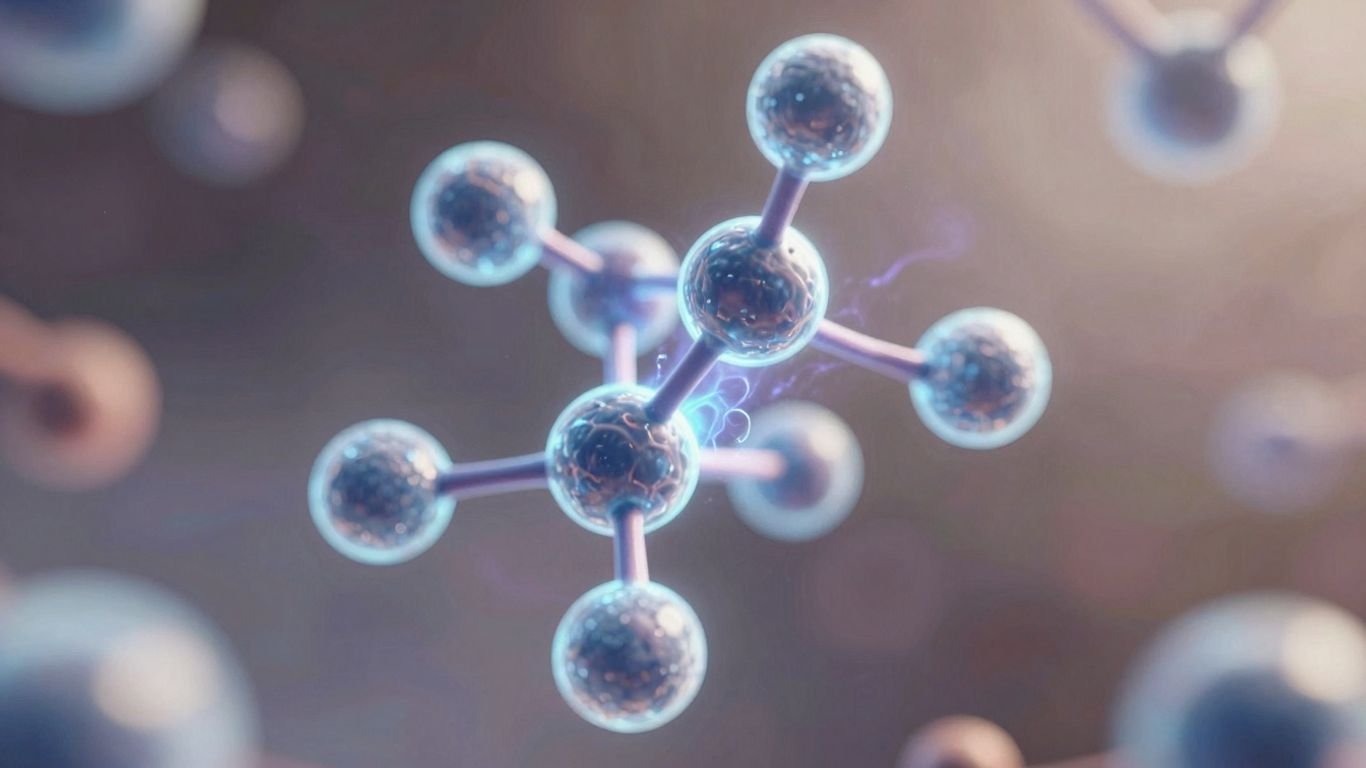
CJC-1295 functions by mimicking the body’s natural growth hormone-releasing hormone (GHRH). Its primary action involves stimulating the pituitary gland to release more growth hormone (GH). What distinguishes CJC-1295, particularly the version with Drug Affinity Complex (DAC), is its significantly extended half-life. This is achieved through a process where the peptide binds to albumin, a protein found in the blood. This binding action protects the peptide from rapid degradation, allowing it to remain active in the system for a much longer duration compared to naturally occurring GHRH or other shorter-acting GH secretagogues.
The extended presence of CJC-1295 in the bloodstream leads to a sustained elevation in growth hormone levels. This prolonged release is a key factor in its observed effects on muscle growth, tissue repair, and metabolic processes. Unlike peptides that cause a rapid, short pulse of GH, CJC-1295 promotes a more gradual and continuous increase.
Here is a breakdown of its mechanism:
- GHRH Mimicry: CJC-1295 structurally resembles GHRH, enabling it to bind to GHRH receptors on pituitary cells.
- Pituitary Stimulation: Upon binding, it signals the pituitary gland to synthesize and secrete growth hormone.
- Albumin Binding (with DAC): The addition of DAC allows CJC-1295 to bind to albumin, a circulating protein. This binding significantly prolongs the peptide’s half-life, extending its activity.
- Sustained GH Release: The extended half-life results in a prolonged period of elevated GH levels in the circulation.
This sustained release is particularly relevant for research into areas requiring consistent hormonal support. For instance, in studies examining tissue repair, a steady supply of growth hormone can be beneficial for cellular regeneration.
| Component | Action | Duration of Effect |
|---|---|---|
| CJC-1295 (with DAC) | Stimulates GHRH receptors, binds to albumin | Extended (days) |
| Natural GHRH | Stimulates GHRH receptors | Short (minutes) |
The prolonged action of CJC-1295 is a defining characteristic, differentiating it from other growth hormone-releasing agents. This sustained effect is theorized to support various physiological processes over an extended period, making it a subject of interest in research settings.
Potential Benefits of CJC-1295
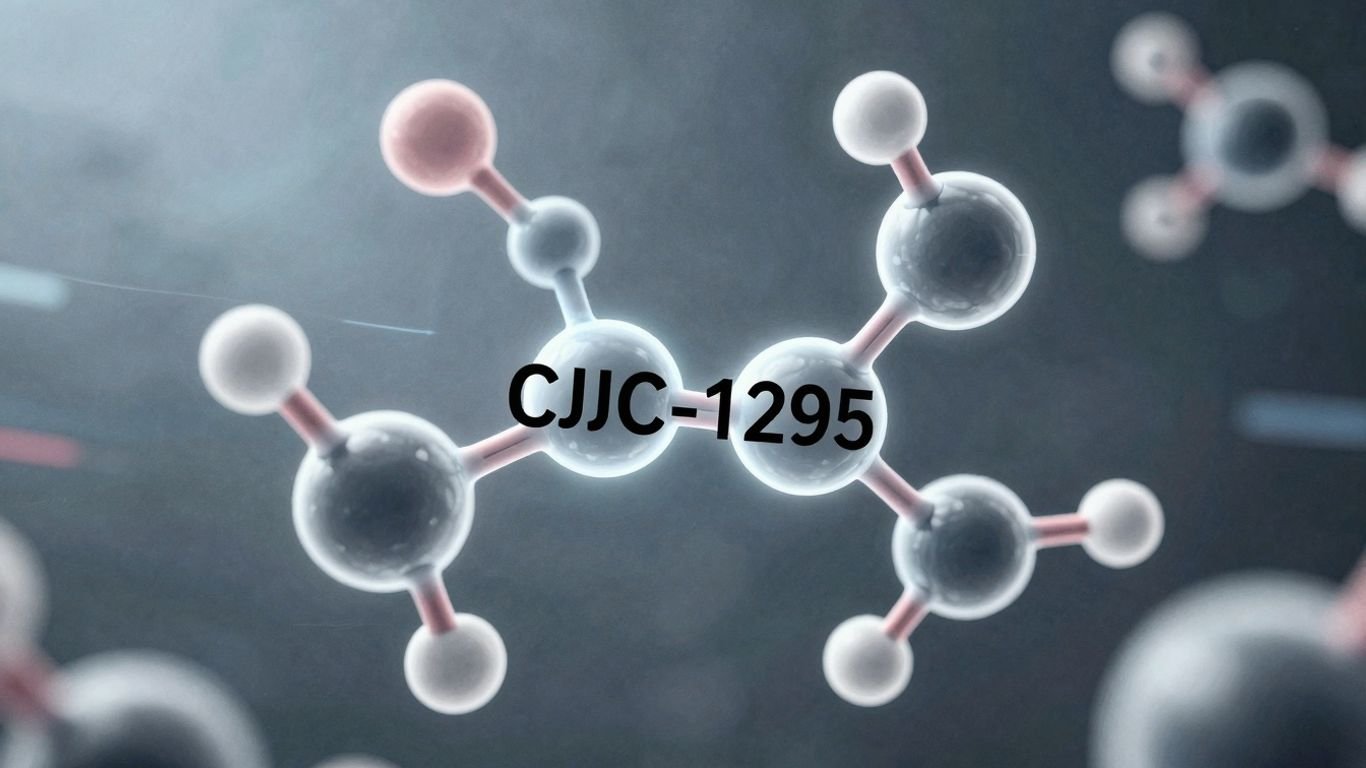
CJC-1295, particularly when studied in conjunction with other peptides like Ipamorelin, presents several areas of interest within research settings. These potential benefits are primarily linked to its influence on growth hormone (GH) release and its extended half-life, which allows for sustained effects.
Muscle Growth and Repair
One of the most frequently explored applications of CJC-1295 relates to its impact on muscle tissue. By stimulating the release of growth hormone, which in turn can influence Insulin-like Growth Factor 1 (IGF-1) levels, CJC-1295 may support processes involved in protein synthesis and muscle repair. This makes it a subject of interest in studies examining recovery from physical exertion or tissue damage.
| Parameter | Effect of CJC-1295 (Research Context) | Notes |
|---|---|---|
| Protein Synthesis | Promotes | Supports muscle building processes |
| Muscle Repair | Aids | Beneficial for recovery from stress |
| IGF-1 Levels | May Influence | Indirectly supports muscle development |
Fat Loss
Research also indicates that sustained increases in growth hormone, potentially facilitated by peptides like CJC-1295, could play a role in metabolic processes. This includes influencing lipolysis, the breakdown of fat. Studies investigate how this mechanism might contribute to changes in body composition over time.
Improved Sleep Quality
Some research suggests a correlation between growth hormone levels and sleep patterns. CJC-1295’s ability to modulate GH release has led to investigations into its potential effects on sleep architecture and overall sleep quality. This area of research is ongoing and requires further validation.
The sustained release of growth hormone, a characteristic associated with CJC-1295’s prolonged half-life, is being examined for its potential to influence various physiological processes beyond muscle and metabolism. These include cellular regeneration and the body’s natural repair mechanisms, which are critical for maintaining overall health and function.
Other Areas of Research Interest
Beyond the primary benefits, CJC-1295 is also being studied for its potential in other peptide therapy benefits, including:
- Tissue Regeneration: Investigating its role in cellular repair and wound healing.
- Metabolic Health: Exploring its influence on glucose metabolism and insulin sensitivity.
- Anti-Aging Research: Examining its effects on cellular aging and skin elasticity maintenance.
CJC-1295 Dosage and Administration
When conducting research with CJC-1295, precise administration is paramount to achieving reliable outcomes. The specific dosage and frequency will depend on the research objectives and the experimental design. Researchers typically administer CJC-1295 less frequently than other peptides due to its extended half-life. This characteristic allows for sustained growth hormone release over a longer period.
For studies involving CJC-1295, common administration protocols often involve subcutaneous injections. The volume of the diluent used can affect the concentration of the peptide, so careful calculation is necessary. It is important to reconstitute the lyophilized powder with a sterile bacteriostatic or sterile water for injection.
Typical Administration Schedule Considerations
- Frequency: Due to its long half-life, CJC-1295 is often administered once every 2-3 days, or even less frequently, depending on the study’s requirements for sustained GH levels.
- Site of Injection: Subcutaneous injections are standard, typically administered into the abdominal fat pad, alternating sites to prevent tissue irritation.
- Reconstitution: The peptide powder is reconstituted with a sterile diluent. The amount of diluent will determine the concentration per unit volume.
- Storage: Reconstituted CJC-1295 should be stored under refrigeration and used within a specified timeframe, usually a few weeks, to maintain its integrity.
Dosage Ranges in Research Settings
While specific dosages vary, a common starting point in some research protocols might involve amounts such as 100 mcg to 200 mcg per administration. However, adjustments are made based on the research parameters and observed effects. It is critical to consult specific research guidelines or protocols for exact amounts. For example, some protocols suggest starting with 100 mcg of each peptide daily and gradually increasing the dosage [2cf2].
Careful attention to reconstitution ratios and injection volumes is necessary to ensure accurate dosing. Deviations can lead to inconsistent results or unintended physiological responses.
| Peptide | Typical Administration Frequency | Route of Administration | Notes |
|---|---|---|---|
| CJC-1295 | Once every 2-3 days | Subcutaneous | Long half-life necessitates less frequent dosing |
It is imperative for researchers to adhere strictly to established protocols and to maintain meticulous records of all administrations. This diligence is key to the validity and reproducibility of research findings.
Potential Side Effects and Risks

While CJC-1295 is explored for various potential benefits, it is important to acknowledge the associated risks and side effects. These can vary depending on the individual, dosage, and duration of use. Users should be aware that CJC-1295 is not approved by the FDA for human use and is often sold as a research chemical.
Commonly reported side effects include:
- Headaches
- Water retention
- Changes in blood pressure
- Fatigue
- Injection site irritation or redness
More serious concerns may arise with prolonged or high-dose use. These can include potential impacts on glucose metabolism, such as insulin resistance, and joint pain. The long-term effects of using CJC-1295 are not extensively studied, leading to uncertainties regarding its impact on cellular proliferation and angiogenesis.
The unregulated nature of many peptide sources means product purity and consistency can be a significant concern. Counterfeit or contaminated products pose additional risks beyond the inherent side effects of the peptide itself. It is imperative to source such compounds only from reputable suppliers who provide third-party testing results.
Here is a summary of potential side effects:
| Side Effect |
|---|
| Headaches |
| Water Retention |
| Blood Pressure Changes |
| Fatigue |
| Joint Pain |
| Insulin Resistance |
Given these potential risks, individuals considering the use of CJC-1295 should consult with a qualified healthcare professional. They can provide guidance on the potential benefits versus risks based on an individual’s health status and medical history. It is also important to note that CJC-1295 is prohibited by major anti-doping agencies, including WADA and USADA, for use by athletes.
Is CJC-1295 Legal and Regulated?

The regulatory status of CJC-1295 is complex and varies significantly depending on the intended use and geographical location. Currently, CJC-1295 is not approved by the U.S. Food and Drug Administration (FDA) for any therapeutic application in humans. This means it cannot be legally prescribed or administered for medical treatment. Instead, it is typically sold and marketed as a research chemical intended solely for laboratory use and scientific investigation.
This classification has several implications. Firstly, it means that the production, distribution, and sale of CJC-1295 are not subject to the same stringent quality control and safety standards as approved pharmaceuticals. This can lead to variability in product purity and potency, posing potential risks to individuals who obtain and use it outside of a controlled research setting. Secondly, the lack of FDA approval means that any claims regarding its efficacy or safety for human consumption are not substantiated by regulatory bodies.
Furthermore, many anti-doping agencies, including the World Anti-Doping Agency (WADA) and the United States Anti-Doping Agency (USADA), classify CJC-1295 as a prohibited substance. Athletes and individuals subject to drug testing are strongly advised to avoid its use, as it can lead to disqualification and other penalties. The legal landscape surrounding peptides is continually evolving, and it is advisable to stay informed about current regulations. For those seeking legitimate avenues for peptide research, understanding the FDA’s actions on compounding is important.
Here is a summary of its regulatory standing:
| Jurisdiction/Entity | Status of CJC-1295 | Notes |
|---|---|---|
| U.S. FDA | Not Approved | Marketed as a research chemical; not for human consumption. |
| WADA/USADA | Prohibited Substance | Banned for use in sports. |
| General Market | Unregulated | Sold by various suppliers, often without strict oversight. |
The absence of regulatory approval means that individuals using CJC-1295 do so at their own risk, without the assurances of safety and efficacy that come with approved medications. It is imperative for researchers and individuals to be aware of these limitations and potential consequences.
How CJC-1295 Compares to Other Peptides
When examining CJC-1295 within the broader landscape of peptide research chemicals, its distinct characteristics become apparent, particularly when contrasted with other growth hormone secretagogues. Unlike peptides that offer short, sharp pulses of growth hormone release, CJC-1295 is engineered for longevity. Its modification allows it to bind to albumin in the bloodstream, significantly extending its half-life. This results in a more sustained elevation of growth hormone levels, a property that researchers find advantageous for studies requiring prolonged hormonal support.
Consider, for instance, the comparison with Ipamorelin. While Ipamorelin is known for its ability to mimic the body’s natural GH pulses with high specificity, its effects are relatively short-lived. CJC-1295, conversely, provides a steady, extended release. This difference is critical for research applications. For studies focusing on long-term tissue repair or consistent muscle development, the prolonged action of CJC-1295 offers a distinct benefit over peptides with shorter durations.
Here is a comparative overview:
| Peptide | Mechanism of Action | Duration of Action | Primary Research Application Focus |
|---|---|---|---|
| CJC-1295 | Stimulates GHRH release, extended half-life via albumin | Long | Sustained GH levels, tissue repair, muscle growth, metabolic studies |
| Ipamorelin | Direct GH secretagogue, mimics natural pulses | Short | Targeted GH release, specific metabolic research, avoiding side effects |
| GHRP-6 | Stimulates GH release, increases appetite | Moderate | Muscle growth, appetite stimulation, recovery studies |
| Hexarelin | Potent GH secretagogue, short half-life | Short | Acute GH release studies, specific hormonal pathway research |
The extended half-life of CJC-1295 is a key differentiator, enabling researchers to investigate the effects of sustained growth hormone exposure without the need for frequent administration, which can be a significant factor in experimental design and subject compliance.
Researchers often select peptides based on the specific temporal dynamics required for their experiments. While some studies may benefit from the precise, pulsatile release offered by agents like Ipamorelin, others necessitate the consistent, prolonged hormonal environment that CJC-1295 provides. This strategic selection is paramount for obtaining accurate and meaningful results in the field of peptide research chemicals.
Alternatives to CJC-1295
When considering research involving growth hormone secretagogues, it is important to be aware of various peptides that offer different mechanisms and durations of action. While CJC-1295 is known for its extended half-life, other compounds provide distinct advantages for specific research objectives.
One notable alternative is Ipamorelin. Unlike CJC-1295, which works by stimulating the release of growth hormone-releasing hormone (GHRH) and prolonging its effects, Ipamorelin directly stimulates GH secretion by binding to GH secretagogue receptors. This results in more precise, pulsatile GH release, mimicking the body’s natural patterns. However, Ipamorelin’s effects are generally shorter-lived compared to CJC-1295.
Another peptide often discussed in comparison is Sermorelin. Sermorelin is a synthetic version of GHRH and is primarily used to stimulate GH release. It has a shorter half-life than CJC-1295, meaning it requires more frequent administration to maintain elevated GH levels. This makes it suitable for research requiring transient GH spikes rather than sustained release.
Here is a comparison of some common growth hormone secretagogues:
| Peptide | Mechanism of Action | Duration of Action | Primary Use Case in Research |
|---|---|---|---|
| CJC-1295 | Stimulates GHRH release, extended half-life | Long | Sustained GH levels, tissue repair, long-term studies |
| Ipamorelin | Direct GH secretagogue, pulsatile release | Short to Medium | Mimicking natural GH pulses, specific GH pathway research |
| Sermorelin | Synthetic GHRH, stimulates GH release | Short | Transient GH spikes, short-term GH elevation studies |
The choice between CJC-1295 and other peptides often depends on the specific research question. For studies requiring a prolonged increase in growth hormone, CJC-1295 is a strong candidate. Conversely, if the research focuses on replicating natural GH secretion patterns or requires shorter, more controlled pulses, Ipamorelin or Sermorelin might be more appropriate.
Researchers also explore other peptides like GHRP-6 and GHRP-2, which are also GHRPs but can have more pronounced effects on appetite and may increase cortisol and prolactin levels, unlike Ipamorelin. Understanding these differences is key to designing effective research protocols. For instance, if the goal is to investigate the effects of sustained GH on muscle development, CJC-1295 might be preferred. However, if the focus is on acute recovery or metabolic responses, a peptide like Ipamorelin could be more suitable. It is also worth noting that supplements like creatine monohydrate are widely researched for their effects on athletic performance and muscle growth through different biochemical pathways.
Can I Buy CJC-1295 Online?
When considering where to acquire CJC-1295 for research purposes, the online marketplace presents numerous options. It is imperative to exercise caution and diligence when selecting a vendor. The quality and purity of research peptides can vary significantly, directly impacting the reliability of experimental outcomes. Researchers must prioritize suppliers who demonstrate a commitment to transparency and product integrity.
Several factors should guide your decision when you look to buy CJC-1295 online:
- Third-Party Testing: Reputable suppliers will provide Certificates of Analysis (COA) from independent laboratories. These documents verify the purity and concentration of the peptide.
- Manufacturing Standards: Look for indications that the peptides are produced in facilities adhering to Good Manufacturing Practices (GMP).
- Product Information: Clear and detailed product descriptions, including the specific form of CJC-1295 (with or without DAC) and its concentration, are essential.
- Customer Reviews and Reputation: While not a substitute for objective quality measures, a vendor’s established reputation and customer feedback can offer insights.
The acquisition of research chemicals requires a thorough understanding of the associated risks and the importance of sourcing from trustworthy providers. Ensuring the integrity of the materials used in scientific inquiry is paramount to achieving valid and reproducible results.
Below is a comparison of common peptide sourcing considerations:
| Feature | High-Quality Supplier | Potentially Lower-Quality Supplier |
|---|---|---|
| Certificate of Analysis | Readily Available | Often Missing or Vague |
| Purity Verification | Third-Party Tested | Self-Reported or Unverified |
| Manufacturing Facility | GMP Compliant | Unknown or Non-Compliant |
| Product Consistency | High | Variable |
For researchers seeking a reliable source, exploring established providers is recommended.
Conclusion
CJC-1295, a synthetic GHRH analog with an extended half-life via DAC, stimulates GH release from the pituitary, causing sustained GH elevations. Research explores its anabolic, repair, and metabolic benefits in experimental settings. Its prolonged pharmacokinetics demand careful dosing. Potential side effects like headaches and water retention require caution. Critically, CJC-1295 lacks FDA approval for human use and is banned by anti-doping agencies, limiting its availability to research markets. Its sustained action distinguishes it from other GH secretagogues.
Frequently Asked Questions
What exactly is CJC-1295?
CJC-1295 is a man-made version of a natural hormone called GHRH, which stands for Growth Hormone-Releasing Hormone. Its main job is to tell your body to make more growth hormone. It’s known for lasting a long time in your body, which means it can keep telling your body to release growth hormone for an extended period after you take it.
What’s the difference between CJC-1295 with DAC and without DAC?
The ‘DAC’ part stands for Drug Affinity Complex. When CJC-1295 has DAC added, it sticks to a protein in your blood called albumin. This makes it last much, much longer in your body, sometimes for days. CJC-1295 without DAC doesn’t have this extra sticking power, so it doesn’t last as long and works for a shorter time.
How does CJC-1295 help the body?
CJC-1295 works by signaling your pituitary gland, a small gland in your brain, to release growth hormone. Growth hormone is important for many things, like building muscle, repairing tissues, and even helping you sleep better. By making your body release more growth hormone, CJC-1295 can potentially help with muscle growth, faster recovery from exercise, and improved sleep.
Can CJC-1295 help build muscle?
Yes, it’s thought that CJC-1295 can help with muscle growth. When your body has more growth hormone, it can help your muscles grow bigger and recover more quickly after you work out. This is because growth hormone helps your body build protein, which is the building block of muscles.
Does CJC-1295 help with fat loss?
Some studies suggest that CJC-1295 might help with losing body fat. Growth hormone can influence how your body uses energy and can encourage it to burn more fat for fuel. So, by increasing growth hormone levels, CJC-1295 could potentially support efforts to reduce body fat.
Is CJC-1295 safe to use?
Like any substance, CJC-1295 can have side effects. Some people might experience things like headaches, dizziness, or a tingling feeling. If the dose is too high, it could potentially lead to issues like water retention or problems with how the body handles sugar. It’s important to use it carefully and be aware of how your body reacts.
What is a typical dose for CJC-1295?
Dosing can vary a lot depending on what someone is trying to achieve and whether they are using CJC-1295 with or without DAC. Because CJC-1295 with DAC lasts so long, it’s usually taken less often, perhaps once or twice a week. CJC-1295 without DAC needs to be taken more frequently, sometimes daily, because it doesn’t stay in the body for as long. Precise dosing is really important for safety and effectiveness.
How is CJC-1295 usually taken?
CJC-1295 is typically given as an injection under the skin, similar to how insulin is administered. It’s usually mixed with sterile water before being injected. The exact method and frequency depend on the specific type of CJC-1295 being used and the goals of the person taking it.
Is CJC-1295 legal?
The legality of CJC-1295 can be complicated. It’s generally not approved for use in humans by major health organizations for medical treatments. In many places, it’s sold for research purposes only and not for personal use. Using it without a prescription or for non-approved reasons can be against the law or regulations.
Where can I buy CJC-1295?
CJC-1295 is often available for purchase online from various suppliers. However, it’s crucial to be very careful about where you buy it from. Look for companies that provide proof of quality, like third-party testing results, to make sure the product is pure and what it claims to be. Buying from unreliable sources can be risky.
How does CJC-1295 compare to other similar peptides?
CJC-1295 is known for its long-lasting effect on growth hormone release. Other peptides, like Ipamorelin, work differently. Ipamorelin mimics the body’s natural growth hormone pulses more closely but doesn’t last as long. Often, CJC-1295 and Ipamorelin are used together because CJC-1295 provides a steady base of growth hormone, while Ipamorelin helps create precise pulses, giving researchers the best of both worlds.
Are there natural ways to increase growth hormone?
Yes, there are natural ways to support your body’s own growth hormone production. Getting enough quality sleep, especially deep sleep, is very important. Regular exercise, particularly high-intensity training, can also boost growth hormone. Eating a balanced diet and maintaining a healthy weight are also key factors that influence hormone levels naturally.