
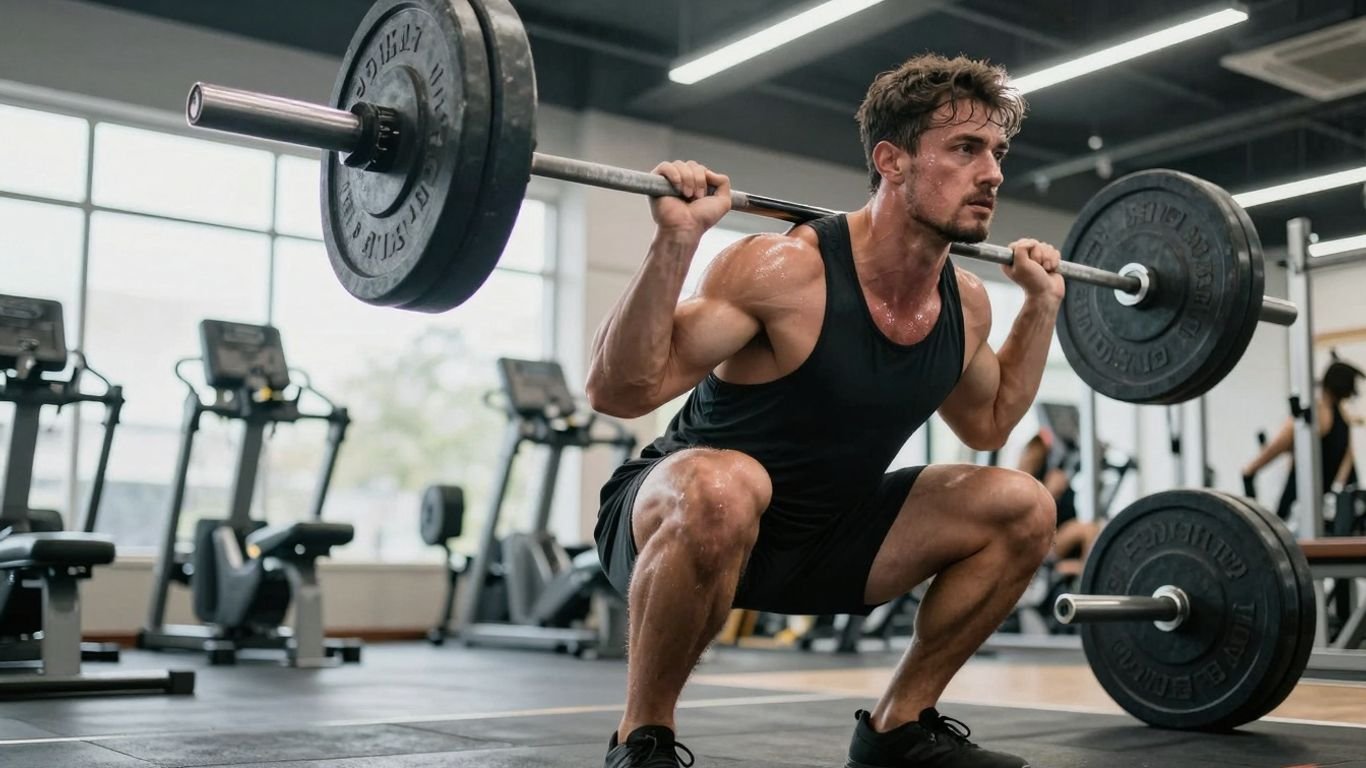
Building larger, stronger legs is a goal for many in the fitness community. This guide focuses on effective big legs training, covering the anatomy of the lower body, the best exercises to stimulate growth, and how to structure a program that yields results. Whether you’re new to lifting or looking to break through a plateau, understanding the principles of big legs training is key to seeing significant gains.
Key Takeaways
- Understand the primary muscles of the legs—quadriceps, hamstrings, glutes, and calves—to target them effectively.
- Prioritize compound exercises like squats and leg presses for overall leg development and strength.
- Incorporate isolation exercises to focus on specific muscle groups and ensure complete growth.
- Structure your big legs training program with appropriate frequency and volume, focusing on progressive overload.
- Consistency in training, proper nutrition, and adequate rest are vital for maximizing gains and achieving bigger legs.
Why Train Your Legs? The Benefits of Big Legs
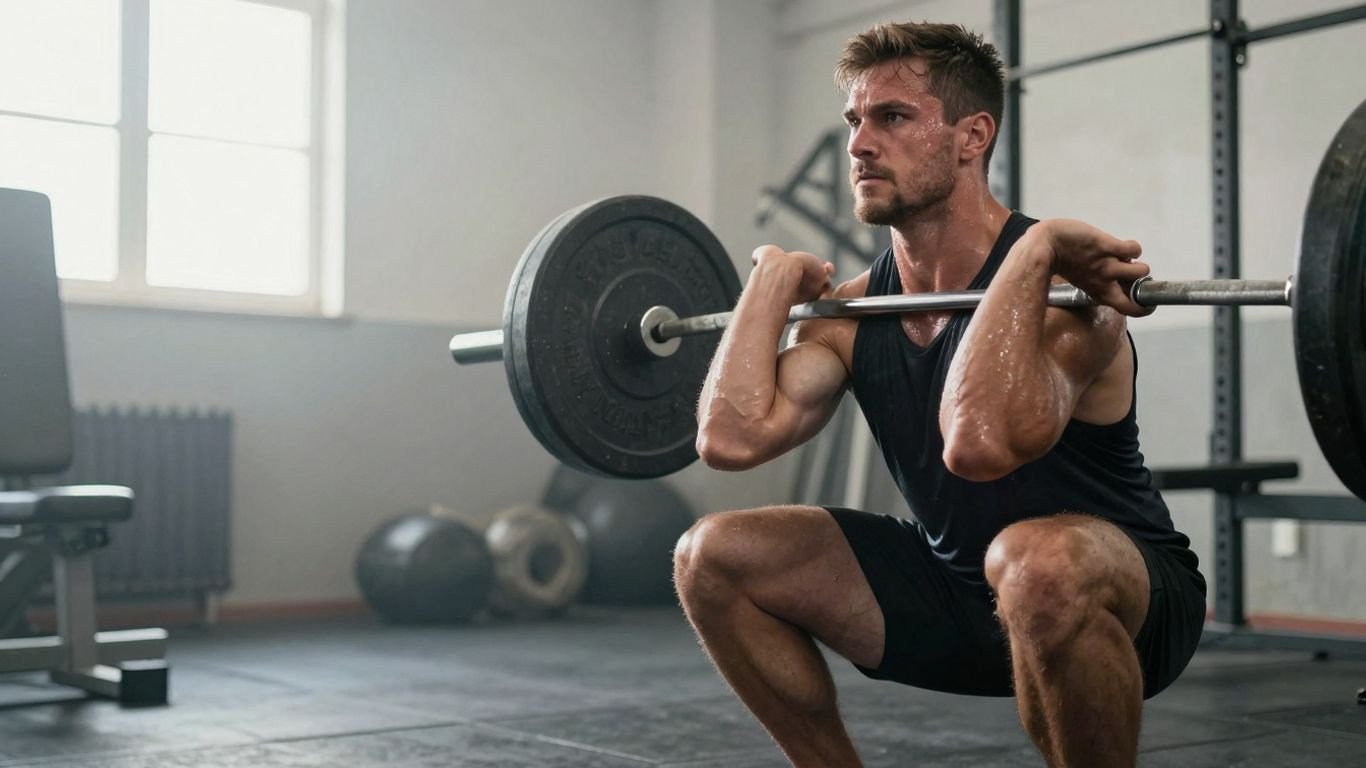
Developing the lower body is often overlooked, yet it provides a substantial foundation for overall physical development and functional capability. Strong legs are not merely for aesthetics; they are integral to daily activities and athletic performance. Prioritizing leg training contributes significantly to metabolic health and can improve posture.
Beyond aesthetics, well-developed leg muscles offer numerous advantages. They enhance stability, which is critical for preventing injuries and maintaining balance, particularly as individuals age. This improved stability translates to better performance in a wide range of physical tasks, from simple movements like climbing stairs to more demanding activities such as running or jumping.
Furthermore, the large muscle groups in the legs, including the quadriceps, hamstrings, and glutes, are metabolically active. Training them stimulates a greater caloric expenditure, aiding in body composition goals and supporting overall health. The development of leg strength also directly impacts the ability to lift heavier weights in other exercises, as the legs provide a stable base and contribute power to compound movements.
Consider the impact on athletic pursuits:
- Improved Power Output: Stronger legs generate more force, leading to increased speed and explosiveness in sports.
- Enhanced Endurance: Well-conditioned leg muscles can sustain effort for longer periods, benefiting both athletes and active individuals.
- Injury Prevention: Balanced leg strength helps to stabilize the joints, reducing the risk of sprains and strains.
| Benefit Category | Specific Advantages |
|---|---|
| Functional Strength | Easier daily movement, improved balance, support for lifting |
| Athletic Performance | Increased speed, agility, jumping ability, power |
| Metabolic Health | Higher calorie burn, support for weight management |
| Injury Resilience | Joint stability, reduced risk of lower limb injuries |
Neglecting leg development can lead to muscular imbalances, potentially affecting posture and increasing the risk of injury in other areas of the body. Therefore, a dedicated approach to leg training is not just about building size, but about cultivating a robust, functional, and resilient physique. Incorporating targeted exercises for the legs is a key component of a balanced training program.
Understanding Leg Anatomy for Effective Training
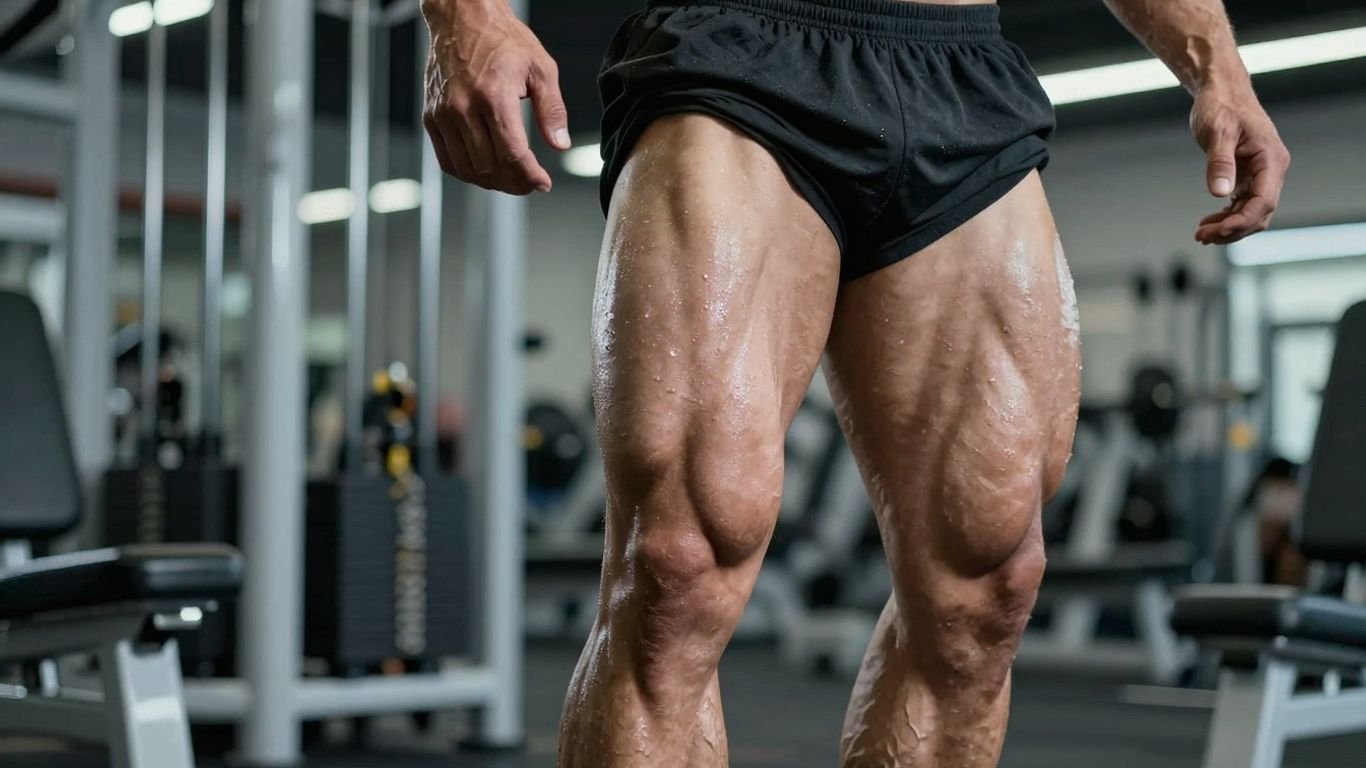
To effectively build larger and stronger legs, it is important to understand the primary muscle groups that constitute the lower body. Each muscle group plays a distinct role in movement and contributes to overall leg development. Focusing on these areas ensures a well-rounded training approach.
Quadriceps: The Front of Your Thighs
The quadriceps, commonly known as the quads, are a group of four muscles located on the front of the thigh. These muscles are primarily responsible for extending the knee, a movement critical for actions such as walking, running, and jumping. Developing the quadriceps is key to achieving powerful and aesthetically balanced legs.
| Muscle Group | Primary Function |
|---|---|
| Vastus Medialis | Knee extension, medial stability |
| Vastus Lateralis | Knee extension, lateral stability |
| Vastus Intermedius | Knee extension (deep) |
| Rectus Femoris | Knee extension, hip flexion |
Hamstrings: The Back of Your Thighs
Located on the posterior side of the thigh, the hamstrings are a group of three muscles that work together to flex the knee and extend the hip. They are vital for movements like walking, running, and bending forward. Neglecting the hamstrings can lead to muscle imbalances and affect overall lower body performance.
Glutes: The Powerhouse of Your Lower Body
The gluteal muscles, or glutes, are situated in the buttocks and are among the largest and most powerful muscles in the body. They are responsible for hip extension, abduction, and rotation, playing a significant role in walking, running, squatting, and maintaining an upright posture. Strong glutes are foundational for athletic performance and injury prevention.
Calves: The Lower Leg Muscles
The calf muscles are located in the lower back of the leg, below the knee. The two main muscles are the gastrocnemius and the soleus. The gastrocnemius is the larger, more visible muscle, while the soleus lies underneath. Together, they are responsible for plantar flexion, the movement of pointing the toes downward, which is essential for walking, running, and jumping. Developing the calves contributes to the overall aesthetic and functional capacity of the legs.
A thorough understanding of these muscle groups allows for the selection of exercises that specifically target each area, leading to more efficient and effective leg training. This anatomical knowledge forms the basis for designing a program that promotes balanced development and maximizes growth potential.
The Best Exercises for Big Legs
Compound Lifts for Maximum Growth
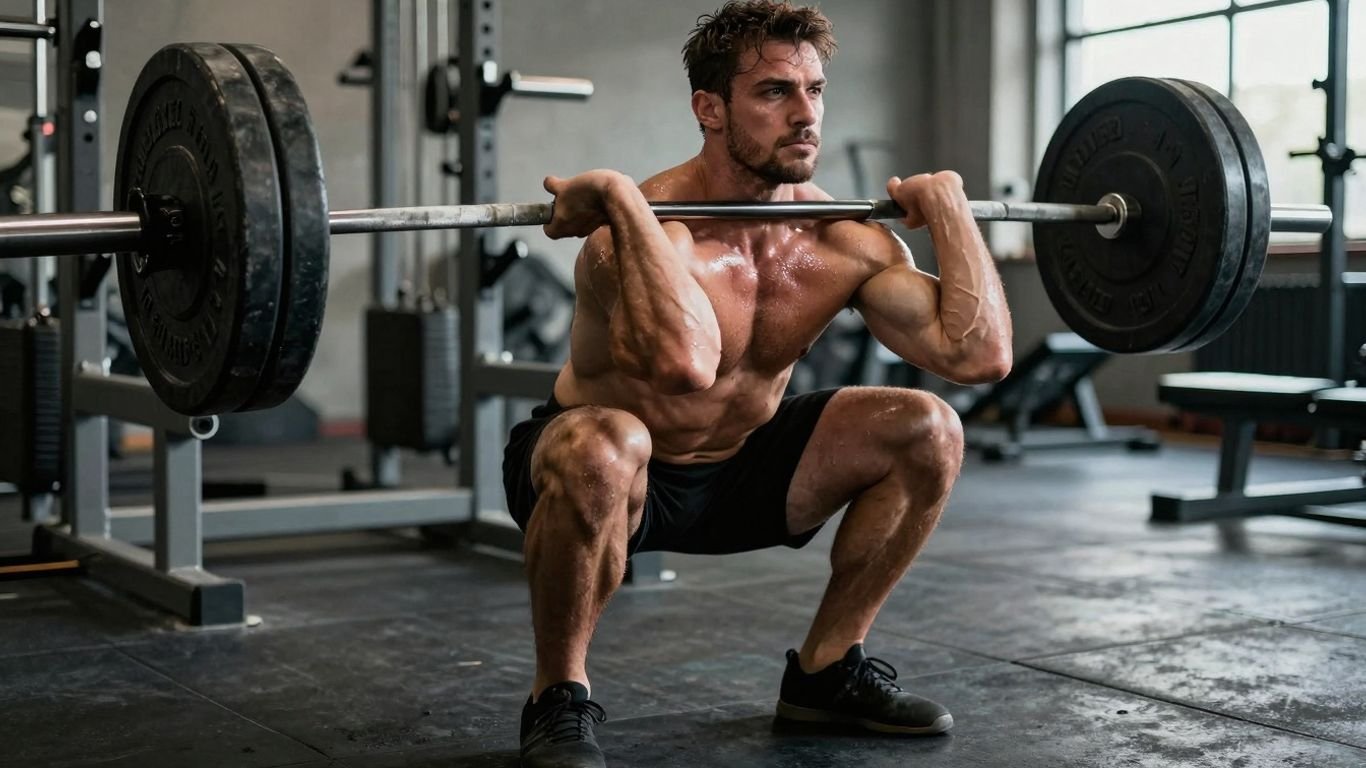
To achieve significant gains in leg size and strength, prioritizing compound exercises is paramount. These movements engage multiple muscle groups simultaneously, allowing for the use of heavier weights and stimulating a greater hypertrophic response.
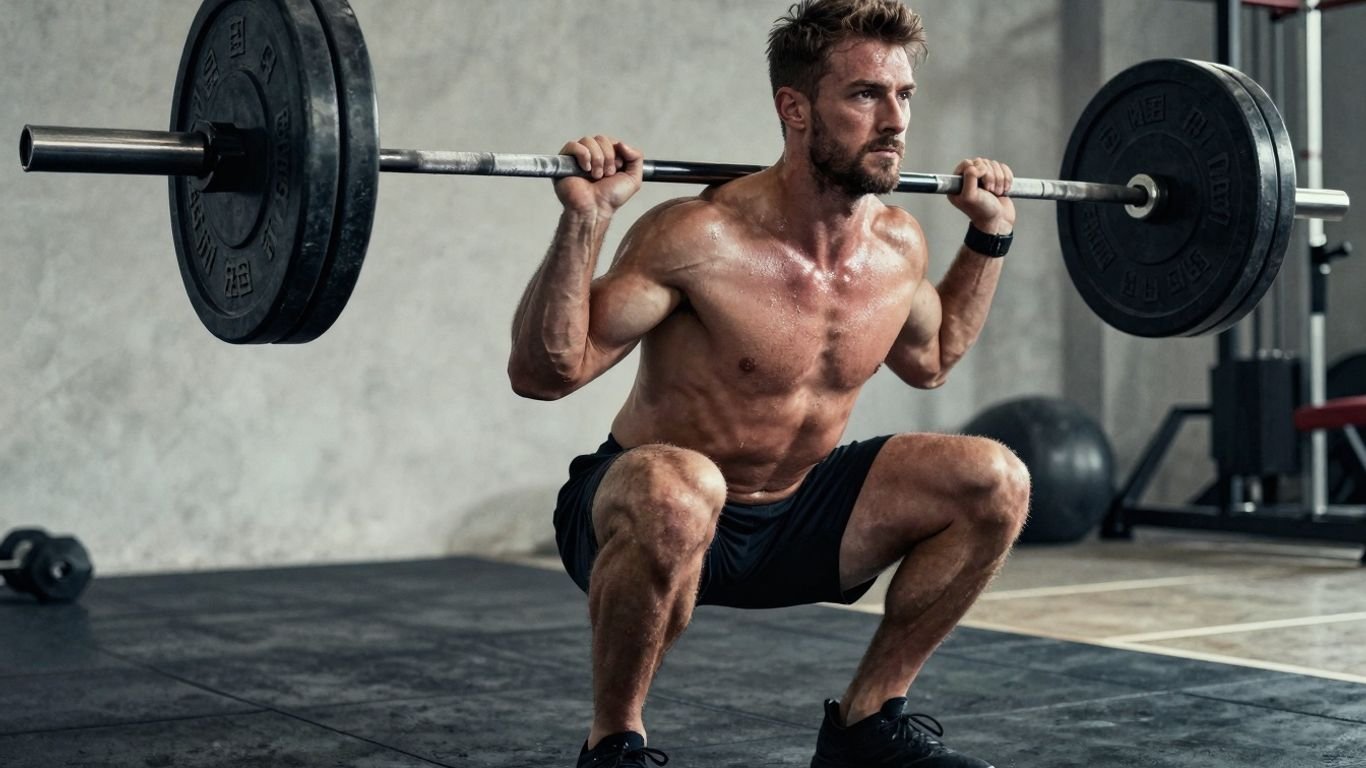
The barbell back squat is widely considered the king of leg exercises. It effectively targets the quadriceps, hamstrings, and glutes, building a solid foundation for lower body development. Proper form is critical to maximize benefits and minimize injury risk. When performing squats, ensure a full range of motion, aiming for thighs parallel to the floor or lower.
Another highly effective compound movement is the leg press. This machine-based exercise allows for heavy loading and can be adjusted to target different areas of the legs. It is particularly useful for increasing volume without the same systemic fatigue as squats. Dumbbell reverse lunges are also excellent for developing unilateral strength and stability, further engaging the glutes and hamstrings.
Key Compound Lifts for Leg Hypertrophy:
- Barbell Back Squat: The foundational exercise for overall leg development. Focus on progressive overload by increasing weight or reps over time.
- Leg Press: Allows for heavy lifting and high volume, targeting quads and glutes effectively.
- Dumbbell Reverse Lunge: Develops single-leg strength, balance, and targets hamstrings and glutes.
| Exercise | Sets | Reps | Rest (sec) |
|---|---|---|---|
| Barbell Back Squat | 4 | 4-6 | 120 |
| Leg Press | 3 | 12-15 | 90 |
| Dumbbell Lunge | 4 | 10-12/leg | 90 |
Isolation Exercises for Targeted Development
While compound lifts form the backbone of any effective leg training program, isolation exercises play a vital role in addressing specific muscle groups and refining development. These movements focus on a single joint and muscle group, allowing for a more targeted stimulus. For those seeking to specifically target the quadriceps, the leg extension is an excellent choice.
This exercise allows for a strong contraction of the quads and can be performed with moderate to high repetitions to maximize muscle pump and nutrient delivery. It is important to note that total daily protein intake is more critical for muscle growth than the timing of post-workout nutrition; spreading protein intake throughout the day supports consistent muscle protein synthesis.
To further develop the hamstrings, the lying leg curl is highly recommended. This exercise directly targets the hamstrings, promoting growth and strength in the posterior chain. Performing these with controlled movements and a focus on the eccentric (lowering) phase can yield significant results.
Calf raises, whether standing or seated, are crucial for developing the lower leg muscles. These can be performed with various equipment, including dumbbells, barbells, or machines, and should be done for higher repetitions to achieve a thorough pump.
Incorporating isolation exercises allows for a more complete approach to leg training, ensuring that all muscle groups receive adequate attention for balanced development and maximum aesthetic and strength outcomes.
Targeted Isolation Exercises:
- Leg Extension: Primarily targets the quadriceps.
- Lying Leg Curl: Focuses on the hamstrings.
- Calf Raises (Standing/Seated): Develops the gastrocnemius and soleus muscles.
| Exercise | Sets | Reps | Rest (sec) |
|---|---|---|---|
| Leg Extension | 3 | 15-20 | 60 |
| Lying Leg Curl | 3 | 12-15 | 60 |
| Calf Raises | 4 | 15-20 | 45 |
Structuring Your Big Legs Training Program
A well-designed training program is paramount for consistent progress in lower body strength training. It requires careful consideration of training frequency, volume, and the principle of progressive overload. Without a structured approach, gains can stagnate, and the risk of injury may increase. Effective program design ensures that all major leg muscle groups are adequately stimulated for growth and strength development.
Frequency and Volume: How Often and How Much?
The optimal frequency for training legs depends on individual recovery capacity and training experience. For most individuals seeking hypertrophy, training the lower body two to three times per week is generally recommended. This allows for sufficient recovery between sessions while providing enough stimulus for muscle adaptation. Volume, referring to the total amount of work performed (sets x reps x weight), should be managed to avoid overtraining.
Recommended Training Frequency and Volume Guidelines:
| Training Split | Frequency per Week | Typical Volume per Session |
|---|---|---|
| Full Body | 1-2 | 8-12 sets per major muscle group |
| Upper/Lower Split | 2 | 10-15 sets per major muscle group |
| Push/Pull/Legs | 2-3 | 12-18 sets per major muscle group |
It is important to note that these are general guidelines. Athletes should monitor their recovery and adjust volume accordingly. For instance, a powerbuilding split might incorporate higher volumes for specific muscle groups.
Progressive Overload: The Key to Continuous Gains
Progressive overload is the cornerstone of any successful strength training program. It involves systematically increasing the demands placed on the musculoskeletal system over time. Without this principle, muscles will not have a reason to adapt and grow larger or stronger. This can be achieved through several methods:
- Increasing the weight: Gradually lifting heavier loads for the same number of repetitions.
- Increasing repetitions: Performing more repetitions with the same weight.
- Increasing sets: Adding more sets to an exercise.
- Decreasing rest periods: Reducing the time between sets, increasing metabolic stress.
- Improving form and range of motion: Executing exercises with better technique and a fuller range of motion.
Implementing progressive overload requires diligent tracking of workouts. Recording weights lifted, repetitions performed, and sets completed allows for informed decisions on how to increase the training stimulus in subsequent sessions. This systematic approach is vital for long-term progress.
To effectively implement progressive overload, consider incorporating a variety of exercises that target the legs from different angles. This ensures comprehensive development and prevents plateaus. For example, alternating between barbell squats and leg presses, or varying the type of hamstring curls performed, can provide new stimuli for growth. The goal is to consistently challenge the muscles beyond their current capacity, prompting them to adapt and become stronger and more muscular.
Putting It All Together
Building bigger legs takes work, plain and simple. It’s not just about hitting the gym hard, but also about smart training. Remember to focus on using a full range of motion for exercises like squats, and don’t let your ego get in the way of good form. Mixing up exercises to hit all the different leg muscles – the quads, hamstrings, and calves – is key. Consistency with your workouts, along with eating enough food to support muscle growth, will get you the results you’re looking for. Keep pushing, stay focused, and those leg gains will come.
Frequently Asked Questions
Why is it important to train leg muscles?
Training leg muscles is crucial because they are the foundation of the body. Strong legs help with everyday activities like walking and running, improve balance, and boost overall athletic performance. Plus, well-developed legs contribute to a balanced and impressive physique.
What are the main muscles in the legs that should be trained?
The main leg muscles include the quadriceps (front of the thighs), hamstrings (back of the thighs), glutes (buttocks), and calves (lower legs). Each of these muscle groups plays a vital role in movement and requires specific exercises for full development.
What are compound exercises for legs?
Compound exercises work multiple muscle groups at once, making them very effective for building overall leg size and strength. Examples include squats, lunges, and leg presses, which engage the quads, hamstrings, and glutes simultaneously.
What are isolation exercises for legs?
Isolation exercises focus on a single muscle group. These are useful for targeting specific areas that might need extra attention or for adding extra volume to a workout. Leg extensions for the quads and leg curls for the hamstrings are common isolation exercises.
How often should one train their legs?
For most people looking to build muscle, training legs once or twice a week is usually sufficient. It’s important to allow enough time for muscles to recover and grow between intense leg workouts.
What is progressive overload and why is it important for leg growth?
Progressive overload means gradually increasing the demand placed on your muscles over time. This could involve lifting more weight, doing more repetitions, or reducing rest times. It’s the key principle that forces muscles to adapt and grow bigger and stronger.
Can training legs make you faster or jump higher?
Yes, developing stronger and more powerful leg muscles can definitely improve speed and jumping ability. Exercises that build explosive strength in the legs are particularly beneficial for these athletic skills.
What is a good rep range for building bigger leg muscles?
A common and effective rep range for building muscle size (hypertrophy) is typically between 8 to 12 repetitions per set. However, for strength-focused compound lifts, lower rep ranges (4-8) can also be very beneficial.