
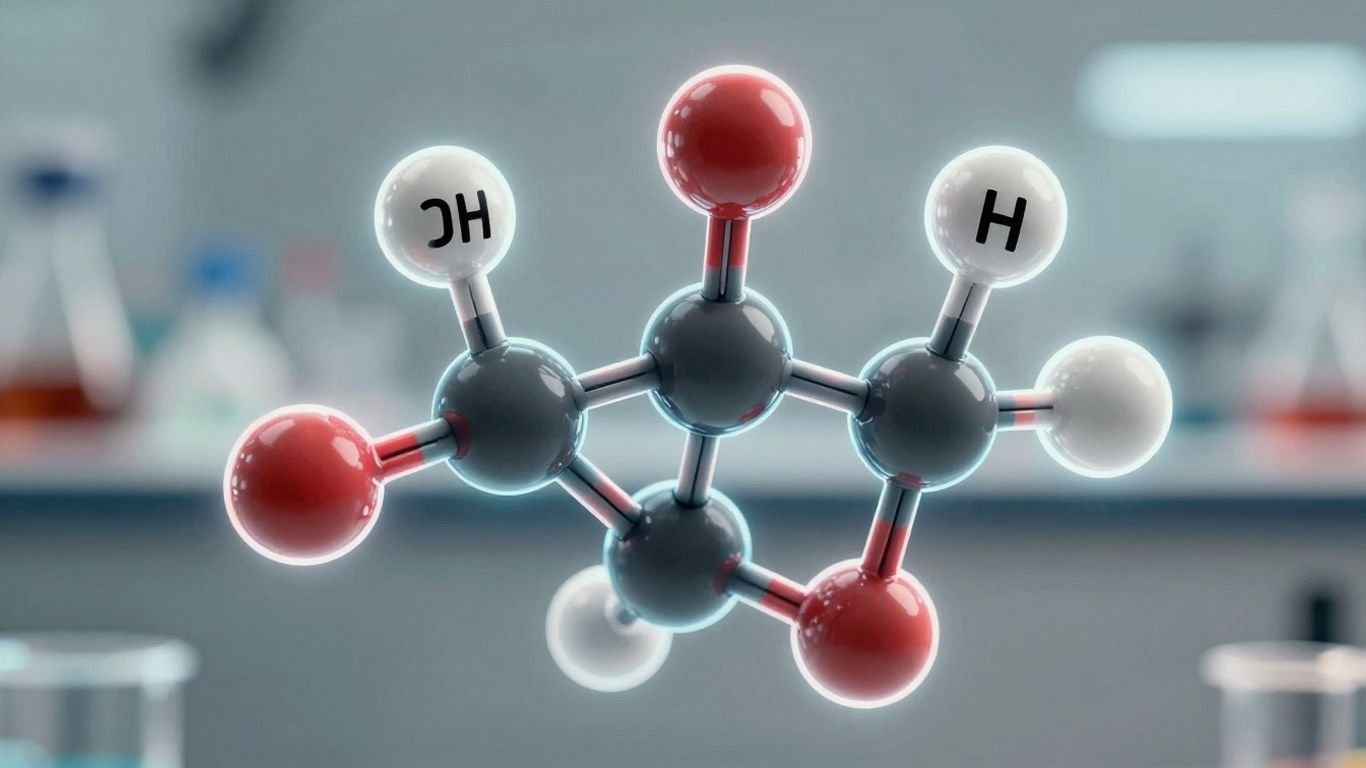
4-Androstenedione, commonly referred to as 4-Andro, 4-DHEA, or 4-AD, is a prohormone that serves as a precursor to testosterone. It is distinct from 1-Androstenedione (1-AD), though both belong to the androstenedione family.
Other less common names include androstenolone and its chemical derivatives. 4-Andro is popular among bodybuilders and athletes seeking increased muscle mass, strength, and performance enhancement due to its ability to convert efficiently into testosterone in the body.
Key Takeaways
- 4-Androstenedione is a hormone precursor that the body naturally makes, playing a role in producing testosterone and estrogen.
- Historically, it was marketed as a supplement to boost muscle and performance, gaining popularity in the 1990s.
- The body can convert 4-Androstenedione into testosterone or estrogen, influencing its effects.
- Some users sought it for potential muscle mass increase, strength gains, and fat loss, though scientific proof varies.
- Using 4-Androstenedione can lead to side effects like acne, hair loss, mood swings, and hormonal imbalances.
- In women, it can cause masculinizing effects such as voice deepening and increased body hair.
- Concerns about health risks, including cardiovascular issues and potential liver strain, have been raised.
- Due to health and abuse concerns, 4-Androstenedione is now a controlled substance in the U.S. and banned by many sports organizations.
What is 4-Androstenedione?
Synonyms / Alternative Names:
- 4-Andro
- 4-AD
- 4-DHEA
- Androstenolone
- 4-androstene-3,17-dione
Chemical Structure and Properties
4-Androstenedione, often referred to as “Andro,” is a naturally occurring steroid hormone. It functions as a precursor in the body’s synthesis of more potent sex hormones, specifically testosterone and estrogen.
Its chemical structure allows it to be converted into these hormones through enzymatic processes within the body. This conversion capability positions it as a prohormone, a substance that the body uses to create other hormones. It is produced in the adrenal glands, testes in males, and ovaries in females.
Natural Occurrence in the Body
This hormone is a standard component of the endocrine system. It is synthesized in both male and female bodies, playing a role in the complex hormonal cascade. The adrenal glands are a primary site of its production, with gonads contributing as well. Its presence is integral to maintaining hormonal balance, though its direct physiological impact is often overshadowed by the hormones it helps create.
While 4-Androstenedione is a naturally occurring substance, its use as a supplement is a separate consideration with different implications. The body’s natural production is regulated, but exogenous supplementation bypasses these natural controls.
4-Androstenedione is a key intermediate in the biosynthesis of androgens and estrogens. Its chemical designation is 4-androstene-3,17-dione. The body produces it from cholesterol through a series of enzymatic steps.
Its role as a precursor means that its levels can influence the production rates of testosterone and estrogen. Understanding its place in these hormonal pathways is important when considering its supplementation. The natural occurrence of androstenedione highlights its biological significance.
How Does 4-Androstenedione Work?
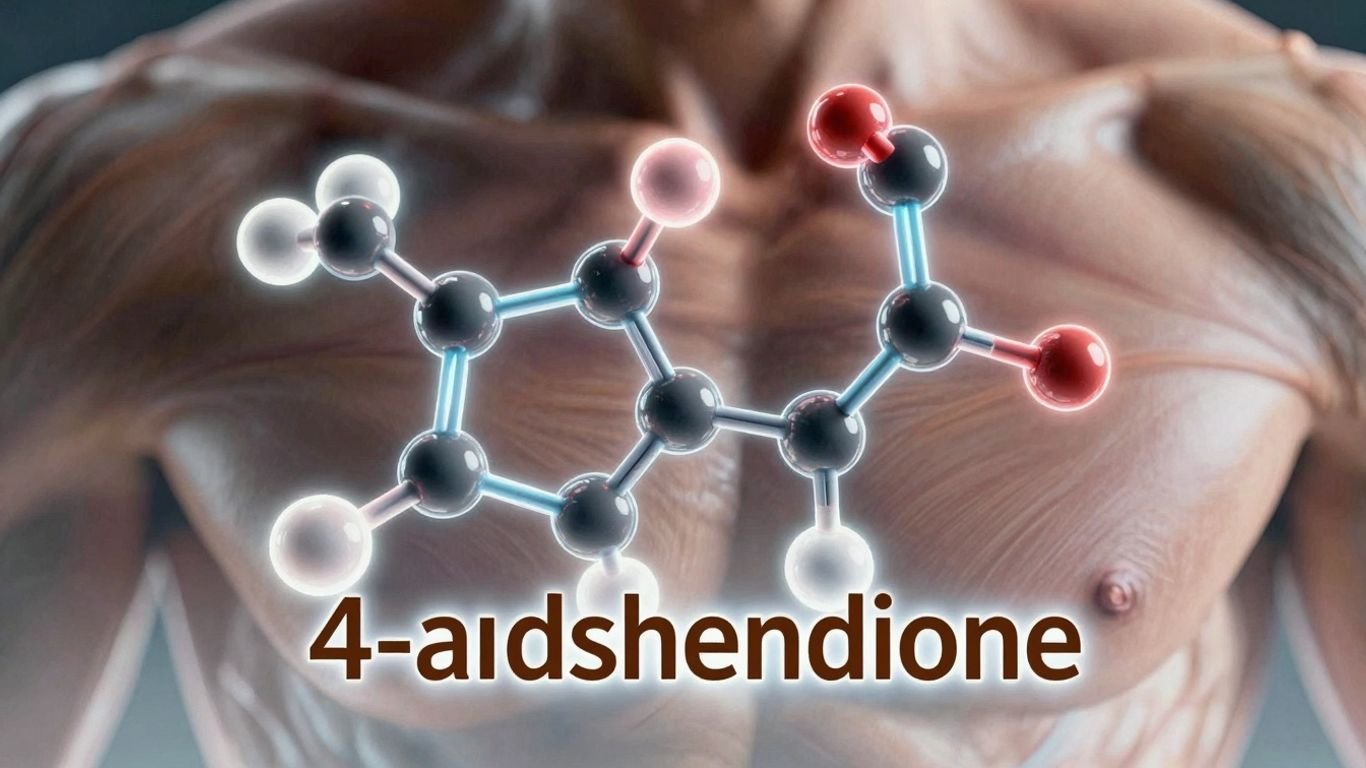
Hormonal Pathways and Conversions
4-Androstenedione, often referred to as “4-AD” or simply “andro,” functions as a prohormone within the body. This means it serves as a precursor molecule that can be converted into more potent hormones. Its primary role is in the biosynthesis of androgens, such as testosterone, and estrogens, like estrone.
- Conversion to Testosterone: In the body, 4-Androstenedione can be converted into testosterone through enzymatic processes. This conversion is a key reason why it is sometimes used as a supplement, with the aim of increasing testosterone levels.
- Conversion to Estrogen: Conversely, 4-Androstenedione can also be converted into estrone, a type of estrogen. This dual potential for conversion means its effects can be complex.
These conversions primarily occur in tissues such as the adrenal glands, testes, and ovaries. The balance of these conversions can be influenced by various factors, including enzyme activity and the presence of other hormones.
Impact on Muscle Growth and Performance
The proposed mechanism by which 4-Androstenedione might influence muscle growth and athletic performance centers on its role as a testosterone precursor. Increased testosterone levels are generally associated with anabolic effects, which can support muscle protein synthesis and muscle mass development.
- Anabolic Effects: By potentially increasing the body’s testosterone pool, 4-Androstenedione is theorized to promote an anabolic environment conducive to muscle hypertrophy.
- Strength and Recovery: Some proponents suggest that elevated testosterone levels may also contribute to improvements in muscular strength and potentially faster recovery times after strenuous physical activity.
It is important to note that the scientific evidence supporting these direct effects in humans, particularly from supplementation, is varied and often debated. The body’s natural hormonal regulation systems are complex, and exogenous substances can interact with these systems in unpredictable ways.
4-Androstenedione as a Supplement
Why People Use 4-Androstenedione Supplements
Individuals often turn to 4-androstenedione supplements with the expectation of influencing their hormonal profile, primarily aiming to increase testosterone levels. This compound is recognized as an intermediate in the body’s natural synthesis of testosterone.
Consequently, its exogenous administration is theorized to support anabolic processes, potentially aiding in muscle development and performance enhancement. The appeal lies in its role as a precursor, suggesting a direct pathway to elevated androgenic effects. This has made it a subject of interest within athletic and bodybuilding communities seeking a competitive edge.
- Precursor to Testosterone: 4-Androstenedione serves as a direct intermediate in the body’s production of testosterone.
- Anabolic Support: The increase in testosterone is believed to promote muscle protein synthesis and growth.
- Performance Enhancement: Athletes and bodybuilders may use it to improve strength, power, and recovery.
Some individuals seek these supplements to potentially influence body composition, including aiding in fat reduction. The rationale often involves the metabolic effects associated with higher testosterone levels. However, it is important to note that the efficacy and safety of such use are subjects of ongoing scientific inquiry and regulatory scrutiny. The use of such compounds is not approved by the FDA for any health claims.
The popularity of androstenedione as a supplement surged following public admissions of its use by prominent athletes, positioning it as a potential anabolic agent in the sports nutrition market.
Research into compounds like 4-DHEA, a related substance found in some supplements, suggests it may interact with hormonal pathways, potentially affecting estrogen conversion. This interaction could have implications for bone density and sexual function, underscoring the need for informed decision-making regarding supplement use.
Alternatives such as fenugreek extract and D-aspartic acid are also explored by individuals seeking to support natural testosterone production through less direct means.
Potential Benefits and Efficacy

| Benefit | Mechanism / Notes |
|---|---|
| Muscle Mass Increase | Through conversion to testosterone, promoting anabolic effects |
| Strength Improvement | Testosterone-mediated enhancement of muscular force |
| Fat Loss | Potentially influenced by androgenic effects on metabolism |
| Athletic Performance | May support recovery and power output, but evidence is limited |
Muscle mass increase
Androstenedione is often discussed for its potential to support muscle growth. As a precursor to testosterone, it is thought to aid in increasing muscle mass. Some research suggests that supplementation may lead to higher testosterone levels, which can promote anabolic processes beneficial for fitness goals.
Strength improvements
Linked to its potential effects on testosterone, androstenedione is also considered for its impact on strength. Enhanced testosterone levels may contribute to greater muscular force production, a factor important for athletes and individuals engaged in resistance training.
Potential fat loss effects
Some proponents suggest androstenedione could assist with fat loss and improve body composition. The theory is that by influencing testosterone, it might help increase metabolic rate and promote the breakdown of fat. However, these claims require careful consideration of scientific backing.
Athletic performance enhancement
Collectively, the potential effects on muscle mass, strength, and body composition lead to discussions about androstenedione’s role in athletic performance. Athletes may consider it for a competitive edge, though scientific consensus on significant, consistent performance enhancement is limited. It is important to note that levels of androstenedione, like other androgens, naturally decline with age.
The scientific literature presents a mixed picture regarding the efficacy of androstenedione for significant performance enhancement. While theoretical pathways exist for its influence on anabolic hormones, direct, robust evidence demonstrating substantial and consistent benefits across diverse athletic populations remains a subject of ongoing research and debate. Individual responses can also vary considerably.
What Are the Side Effects and Risks of 4-Andro?
| System | Possible Effects |
|---|---|
| Endocrine | Testosterone suppression, estrogen imbalance |
| Skin | Acne, hair loss |
| Female-specific | Masculinization, menstrual irregularities |
| Cardiovascular | HDL ↓, LDL ↑ |
| Organs | Liver/kidney strain |
Using 4-Andro, also known as 4-androstenedione, carries potential health risks that warrant careful consideration. The most consistently reported adverse effect involves changes to cholesterol levels. Supplementation can lead to a decrease in high-density lipoprotein (HDL), often referred to as ‘good’ cholesterol, while simultaneously increasing low-density lipoprotein (LDL), or ‘bad’ cholesterol. This shift can negatively impact cardiovascular health over time.
Beyond lipid profiles, concerns exist regarding hormonal disruption. In males, elevated androgen levels may contribute to acne, hair loss, and mood disturbances. For females, the masculinizing effects, or virilization, can include voice deepening, increased facial and body hair (hirsutism), and irregularities in menstrual cycles. These changes stem from the body’s conversion of 4-Andro into testosterone or estrogen.
There is also evidence suggesting potential risks to organ health. Some studies, primarily in animal models, have indicated a possible increased risk of liver and pancreatic cancers with prolonged use. Kidney and salivary gland damage have also been noted in some research. However, it is important to note that research findings can be complex and sometimes contradictory, with some studies suggesting potential protective effects against certain tumors.
Athletes should be particularly aware that 4-Andro is a banned substance by many sports organizations due to its performance-enhancing potential and associated health risks. Use can lead to disqualification or suspension.
The long-term effects of 4-Andro supplementation in humans are not fully understood. Given the potential for hormonal imbalance and adverse effects on cardiovascular and organ health, medical supervision is strongly advised if considering its use. The FDA has not approved 4-Andro for any medical purpose.
Key 4-Andro side effects include:
- Unfavorable changes in cholesterol levels (decreased HDL, increased LDL).
- Hormonal imbalances leading to acne, hair loss, and mood changes.
- Virilizing effects in females, such as voice deepening and hirsutism.
- Potential risks to liver and kidney health, though research varies.
- Classification as a banned substance in competitive sports.
How to use 4-AD?

The administration of 4-Androstenedione (4-AD) requires careful consideration of dosage and timing to align with individual physiological responses and stated goals. While research into optimal protocols is ongoing, general guidelines suggest specific approaches.
| Category | Historical / Scientific Information | Notes |
|---|---|---|
| Route of Administration | Primarily oral tablets/capsules | Injectable 4-AD was not common and rarely documented. |
| Typical Intended Purpose | Support testosterone production, potential strength/muscle improvements | Effectiveness in studies was inconsistent. |
| Pharmacokinetics | Very short half-life → multiple daily doses were historically common | This is one reason users found it confusing. |
| Men’s Historical Usage Patterns | Research studies explored 100–300 mg/day, divided doses | NOT a recommended dose — only citing study ranges. |
| Women’s Historical Usage Patterns | Rarely used; generally not recommended due to high virilization risk | Even low amounts could cause strong androgenic effects. |
| Cycle Length (Historical) | Often 4–8 weeks in supplement era | Longer cycles → more side effects reported. |
| Need for PCT? | Many users reported suppressed testosterone afterward | Medical supervision required. |
| Legality Today | Schedule III controlled substance (U.S.) | Cannot be sold OTC; illegal without prescription. |
| Reasons Dosing Was Confusing | Different products used different forms (4-AD vs 4-DHEA), bioavailability varied, short half-life | Modern supplements use other compounds, not real 4-AD. |
Dosage recommendations for 4-AD can vary significantly based on individual factors and the desired outcomes. Studies have explored different amounts, with some indicating that doses around 100-300 mg per day may influence hormonal levels. For instance, a study involving 100 mg of 4-AD daily for 12 weeks reported certain hormonal changes, while another found that 300 mg per day for 7 days was more effective in raising testosterone levels in some participants.
Key considerations for using 4-AD include:
- Timing of Administration: Some users prefer to split the daily dosage into multiple intakes throughout the day to maintain more consistent levels.
- Cycle Length: The duration of use is a critical factor. Extended use without breaks may increase the potential for adverse effects.
- Individual Response: It is important to monitor how the body reacts to the supplement, as responses can differ between individuals.
Potential 4-AD benefits, such as muscle mass increase and strength improvements, are often sought by individuals using this supplement. However, it is imperative to approach supplementation with informed caution. The scientific literature indicates that 4-AD is an intermediate in the biosynthesis of testosterone, suggesting a potential pathway for its effects.
The use of any supplement that affects hormonal pathways necessitates a thorough understanding of potential interactions and consequences. Consulting with a healthcare professional before initiating any supplementation regimen is strongly advised to ensure it is appropriate for your specific health status and objectives.
Do You Need Post-Cycle Therapy (PCT) After Andro?
| Consideration | Notes |
|---|---|
| Hormonal suppression | 4-Andro may reduce natural testosterone production |
| Estrogen balance | Conversion to estrogen may require attention |
| Recovery time | Allow body to restore normal hormone levels |
| Consultation | Recommended to work with a healthcare professional |
Following the use of supplements like Andro, the necessity of Post-Cycle Therapy (PCT) is a significant consideration. PCT protocols are typically implemented after a cycle of anabolic steroids or prohormones to help the body restore its natural hormone production, particularly testosterone. Given that Andro can influence the body’s endocrine system, a period of recovery is often advised.
The decision to use PCT after an Andro cycle depends on several factors, including the specific compound used, the dosage, and the duration of the cycle. While Andro itself is not a direct anabolic steroid, its conversion pathways within the body can suppress natural testosterone production. This suppression can lead to undesirable effects such as reduced libido, fatigue, and mood disturbances.
Key considerations for PCT after Andro include:
- Hormonal Suppression: Assess the degree to which the Andro cycle may have suppressed natural testosterone levels. This can sometimes be determined through blood work.
- Estrogen Balance: Andro can convert to estrogen, potentially leading to imbalances that PCT aims to correct.
- Recovery Time: Allowing the body adequate time to recover its natural hormonal functions is paramount.
While not all users may require a full PCT regimen, understanding the potential for hormonal disruption is important. Consulting with a healthcare professional or an experienced advisor in this area is recommended to determine the most appropriate course of action.
Comparison to Similar Compounds
4-Androstenedione is often confused with several related prohormones due to their overlapping names, similar molecular structures, and shared roles in testosterone biosynthesis. Compounds such as 4-DHEA, 4-Androstenediol (4-AD), and 1-Androstenedione belong to the same androgen precursor family, yet each follows a different metabolic pathway and produces distinct anabolic or androgenic effects.
Understanding how these substances differ in conversion rates, potency, and side-effect profiles is essential for readers evaluating their historical use, legal status, and physiological impact. The following table outlines the key distinctions among the most commonly compared compounds.
| Compound | Key Differences |
|---|---|
| 1-Androstenedione (1-AD) | Different conversion pathway; less estrogenic |
| 4-Androstenediol (4-ADiol) | More direct conversion to testosterone; sometimes sold as “4-Andro” |
| DHEA | Natural supplement, milder androgenic effects |
| Other Prohormones | Vary in potency and side effect profile |
Is 4-DHEA Legal?
The legal status of 4-DHEA, often marketed as 4-Androstenedione or 4-AD, has undergone significant changes. In the United States, the Anabolic Steroid Control Act of 2004 reclassified androstenedione as a Schedule III controlled substance. This classification means that its sale and possession without a valid prescription are illegal. This action placed it in the same legal category as other anabolic steroids.
Possession or distribution of 4-DHEA without proper authorization is considered a federal offense.
| Region | Legal Status | Notes |
|---|---|---|
| United States | Schedule III controlled substance | Prescription required; illegal to sell/possess OTC |
| Europe | Varies by country | Some allow prescription use, others ban outright |
| Sports | Worldwide | Banned in competitive athletics |
This legal shift significantly impacts individuals considering its use, particularly for performance enhancement or bodybuilding purposes. The prohibition extends to purchasing 4-DHEA online from unregulated sources, as these transactions are also subject to federal law. Athletes should also be aware of anti-doping regulations, as 4-DHEA is typically a banned substance in most competitive sports.
International regulations vary, with some countries imposing outright bans while others may classify it differently. It is imperative for individuals to be aware of and comply with the specific laws in their jurisdiction regarding the possession and use of such substances. The landscape surrounding prohormone legality is complex and subject to change, underscoring the importance of staying informed.
Where Can You Buy 4-Androstenedione?
Globally, regulations vary. Some countries have enacted complete prohibitions, while others permit its sale only with a medical prescription. Athletes, in particular, must be aware of national anti-doping policies and import/export laws to avoid legal complications. Given its legal status and potential health implications, individuals seeking performance or physique enhancement should explore safer, legally approved alternatives.
Due to its Schedule III controlled substance status in the U.S., 4-Androstenedione cannot be legally purchased or possessed without a valid prescription. This regulatory change reflects concerns regarding its potential for abuse and adverse health effects.
- Illegal Status: Not available for sale as a dietary supplement in the U.S.
- Prescription Required: Possession or sale without a prescription is unlawful.
- Global Variability: Legal status differs by country; research local regulations.
- Health Risks: Associated with adverse effects, including cholesterol changes and potential organ damage.
Androstenolone Legal Alternatives
Due to the legal restrictions and health risks associated with androstenolone and related prohormones, many athletes choose to rely on legal, non-hormonal performance aids that support testosterone levels, muscle growth, and recovery through safer mechanisms.
These compounds do not convert into anabolic hormones, but they can provide meaningful benefits when combined with structured training and nutrition. The following options are among the most commonly used legal alternatives and are selected for their evidence-based support and favorable safety profiles.
| Alternative | Mechanism of Action | Primary Benefits | Safety Profile |
|---|---|---|---|
| D-Aspartic Acid (DAA) | Supports LH and testosterone signaling | May increase natural testosterone in some individuals | Generally safe; mild GI discomfort possible |
| Fenugreek Extract (Furosap / Testofen) | May reduce SHBG and support free testosterone | Libido boost, strength support | Safe; mild digestive effects |
| Ashwagandha (KSM-66) | Reduces cortisol; indirectly supports androgens | Strength, recovery, stress reduction | Very safe; widely studied |
| Creatine Monohydrate | Increases phosphocreatine stores | Strength, power, hypertrophy | Extremely safe and well-researched |
| Ecdysterone (20-Hydroxyecdysone) | Non-hormonal anabolic pathway | Lean muscle gain, strength | Safe; no hormonal suppression |
| Beta-Alanine | Enhances muscular endurance via carnosine synthesis | Higher training volume, delayed fatigue | Safe; tingling sensation possible |
| L-Carnitine L-Tartrate | Supports androgen receptor density | Recovery, fat oxidation | Safe; well-tolerated |
| Nitric Oxide Boosters (Citrulline / Nitrate) | Enhance blood flow and pump | Performance, endurance, nutrient delivery | Very safe at standard doses |
Final Thoughts on Androstenedione
4-Androstenedione is a prohormone with anabolic potential, but its scientific evidence for significant benefits is limited. The legal and health risks are substantial, making informed decision-making essential. Safer alternatives include natural testosterone boosters, proper nutrition, and consistent training.
Frequently Asked Questions
What exactly is 4-Androstenedione?
4-Androstenedione, often called ‘Andro’, is a type of hormone that the body naturally makes. It’s like a building block that helps create other important hormones, mainly testosterone and estrogen. It’s produced in small amounts by the adrenal glands and the sex organs.
How does 4-Androstenedione affect the body?
When taken as a supplement, 4-Androstenedione can turn into testosterone or estrogen in the body. This is why some people believe it can help build muscle, increase strength, or affect other bodily functions related to these hormones.
Why did people start using 4-Androstenedione supplements?
In the past, 4-Androstenedione was popular as a supplement because it was thought to boost testosterone levels naturally. Athletes and bodybuilders used it hoping to gain muscle, improve athletic performance, and recover faster from workouts.
Are there any proven benefits to using 4-Androstenedione?
While some believe it can increase muscle mass and strength, the scientific evidence for these benefits is not strong, especially with modern supplements. Claims about fat loss and improved athletic performance are also not well-supported by research.
What are the potential side effects of 4-Androstenedione?
Using 4-Androstenedione can lead to several unwanted effects. These might include acne, hair loss, mood swings, and in women, changes like a deeper voice or more body hair. It can also negatively affect cholesterol levels, potentially increasing the risk of heart problems.
How should one use 4-Androstenedione?
Because of the risks and its legal status, using 4-Androstenedione is not recommended. If someone were to consider it, it would be crucial to consult a doctor first to understand the potential dangers and to monitor health closely. It should never be used without medical guidance.
Is Post-Cycle Therapy (PCT) needed after using 4-Androstenedione?
Due to its effects on the body’s natural hormone production, a period of recovery, often called Post-Cycle Therapy (PCT), might be considered by those who have used it. This is to help the body return to its normal hormone balance. However, given the risks, avoiding the substance altogether is the safest approach.
Is 4-Androstenedione legal?
In the United States, 4-Androstenedione is classified as a Schedule III controlled substance. This means it is illegal to sell or possess without a prescription from a doctor. Its use is banned by many sports organizations.
Where can one buy 4-Androstenedione?
Due to its legal status as a controlled substance in many places, 4-Androstenedione cannot be legally bought over-the-counter. It is not available in typical supplement stores. Any product claiming to be ‘Andro’ today likely does not contain actual 4-Androstenedione.
Are modern ‘Andro’ supplements the same as 4-Androstenedione?
No, most supplements marketed today with ‘Andro’ in their name do not actually contain 4-Androstenedione. They might contain other compounds that are similar or are intended to affect hormone levels, but their effects and safety are often not well-studied or proven.
Can 4-Androstenedione cause harm to the liver or heart?
Yes, there are concerns that prolonged or high-dose use of 4-Androstenedione could potentially strain the liver. It is also known to negatively impact cholesterol levels, which can increase the risk of heart disease over time.
Are there safer alternatives to 4-Androstenedione?
Yes, for those looking to support fitness goals, focusing on a solid diet, consistent training, adequate sleep, and stress management is the most effective and safest approach. Some natural supplements, like certain herbal extracts, are sometimes used to support hormone levels, but it is always best to discuss these with a healthcare provider.