

Serious lifters push their bodies, which is great for building strength. But, if you’re not careful, you can end up with an injury. That’s the last thing anyone wants when they’re trying to get stronger. Injury prevention isn’t just about avoiding pain; it’s about making sure you can keep training consistently and see real progress over time. Let’s look at some straightforward ways to keep yourself safe in the gym.
Key Takeaways
- Understand that common injuries in strength training often come from trying to lift too much too soon or using bad form. Always focus on doing the exercise right before you worry about lifting heavier weights.
- A good warm-up gets your muscles ready to work. Dynamic stretches and moving your joints through their range of motion help prevent strains.
- Smart training means gradually increasing the weight or reps. Don’t forget to schedule rest periods and listen to your body; pushing too hard for too long leads to problems.
- Recovery is just as important as the workout itself. Eating well, staying hydrated, and getting enough sleep help your muscles repair and grow stronger.
- Paying attention to your body’s signals, like pain or unusual fatigue, is a big part of injury prevention. Don’t ignore these signs; address them early.
Understanding the Risks for Serious Lifters
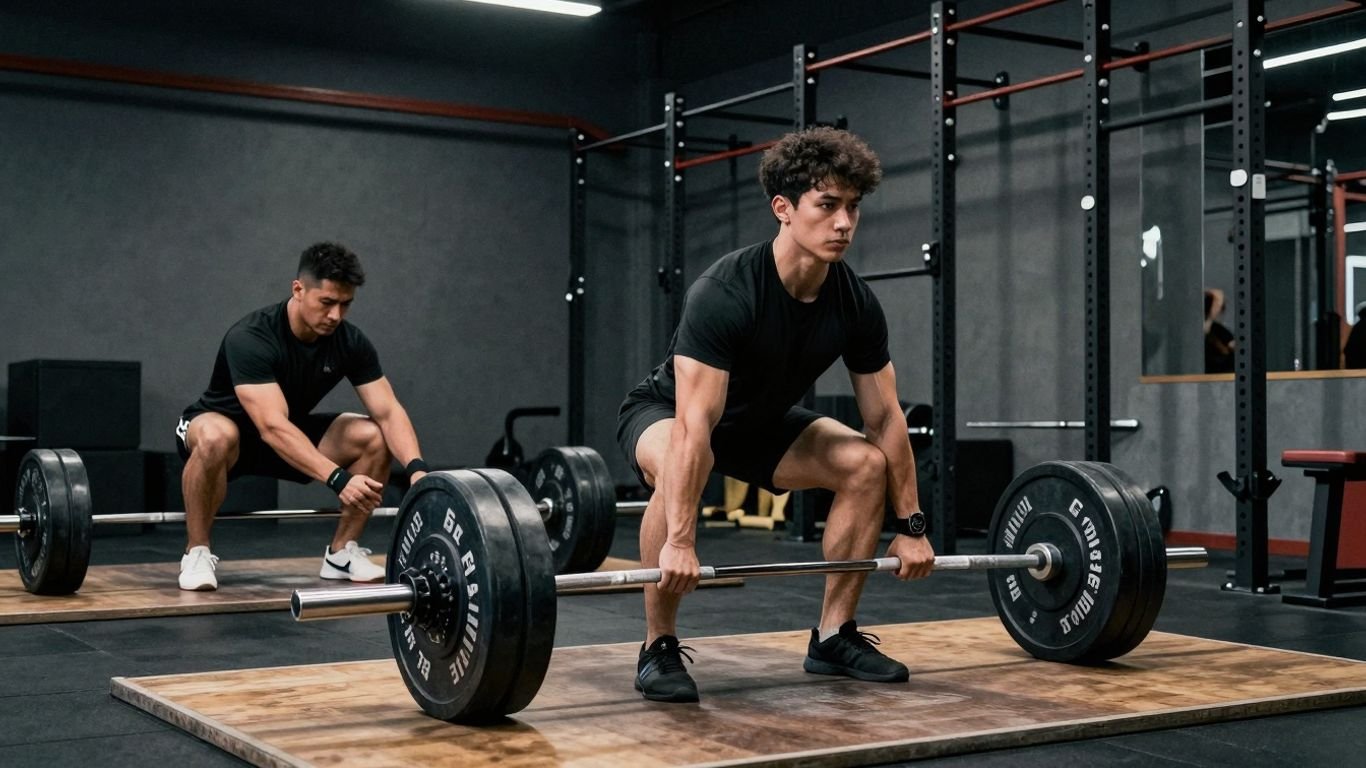
Serious strength training offers significant benefits, but it also carries inherent risks. Understanding these potential hazards is the first step toward effective injury prevention. Many injuries stem from a combination of factors, including improper technique, insufficient preparation, and pushing limits too aggressively. Prioritizing safety is paramount for long-term progress.
Common Injuries in Strength Training
Strength training, particularly with heavy loads, can lead to various injuries. These often affect joints and connective tissues. Common issues include:
- Lower Back Pain: Frequently associated with deadlifts and squats when form falters, especially under fatigue. This can range from muscle strains to disc issues.
- Shoulder Injuries: Bench presses and overhead movements can strain the rotator cuff, leading to impingement or tears. Poor shoulder stability is a major contributor.
- Knee Problems: Squats and lunges can stress the knees, leading to ligament tears (like ACL) or patellofemoral pain if knees collapse inward or depth is compromised without adequate mobility.
- Elbow and Wrist Issues: Tendonitis or sprains can occur from repetitive stress or improper grip during various lifts.
Research indicates that while the overall injury rate in powerlifting might be lower than in some other sports, the severity can be significant. Experienced lifters often face overuse injuries from repetitive strain, while newer lifters may be more prone to acute injuries from sudden technical errors. Identifying and addressing muscle imbalances is key to preventing many of these issues.
The Importance of Proper Form Over Weight
While the desire to lift heavier weights is understandable, it must never come at the expense of correct technique. Form is the bedrock of safe lifting. Lifting more weight than you can control with proper form is a direct path to injury. This principle applies universally, whether you are performing squats, deadlifts, or power cleans. Even minor deviations in technique can be amplified under heavy loads, leading to acute trauma or chronic pain. Focusing on mastering each movement pattern with lighter weights first builds a solid foundation. This approach is vital for both preventing gym accidents and developing sustainable strength.
Neglecting proper preparation, such as dynamic stretching and gradual load increases, significantly raises the risk for severe injuries. Many athletes are surprised by how quickly a tendon tear can occur after just one poorly executed lift. This underscores the need for meticulous attention to detail in every session.
The Foundation: Warm-up and Mobility

Dynamic Warm-up Routines
A proper warm-up prepares your body for the demands of serious lifting. It increases blood flow to the muscles, improves joint lubrication, and enhances muscle elasticity, making tissues less prone to injury. Focus on dynamic movements that mimic the exercises you will perform. This approach is more effective than static stretching before a workout. Examples include arm circles, leg swings, torso twists, and walking lunges with a twist. Aim for 5-10 minutes of continuous movement to gradually elevate your heart rate and body temperature.
Targeted Mobility Exercises
Mobility work addresses restrictions in your range of motion, which can be a significant factor in injury. Focusing on key areas like the hips, shoulders, and thoracic spine can improve your lifting mechanics and reduce compensatory strain. Incorporate exercises such as:
- Hip Circles: Improve hip joint mobility.
- Thoracic Rotations: Enhance upper back flexibility.
- Shoulder Dislocates (with a band or stick): Increase shoulder joint range of motion.
- Ankle Mobility Drills: Prepare ankles for squats and other lower body movements.
These exercises should be performed with control, focusing on the quality of movement rather than speed. Addressing mobility limitations proactively can prevent injuries that arise from poor biomechanics during heavy lifts. Consider incorporating specific mobility drills relevant to your primary lifts, such as hip flexor stretches before squats.
Neglecting the warm-up and mobility phases is a common oversight. These preparatory steps are not optional; they are integral to safe and effective training. They directly impact your ability to perform lifts with correct form and reduce the risk of acute strains or chronic issues.
Smart Training Strategies
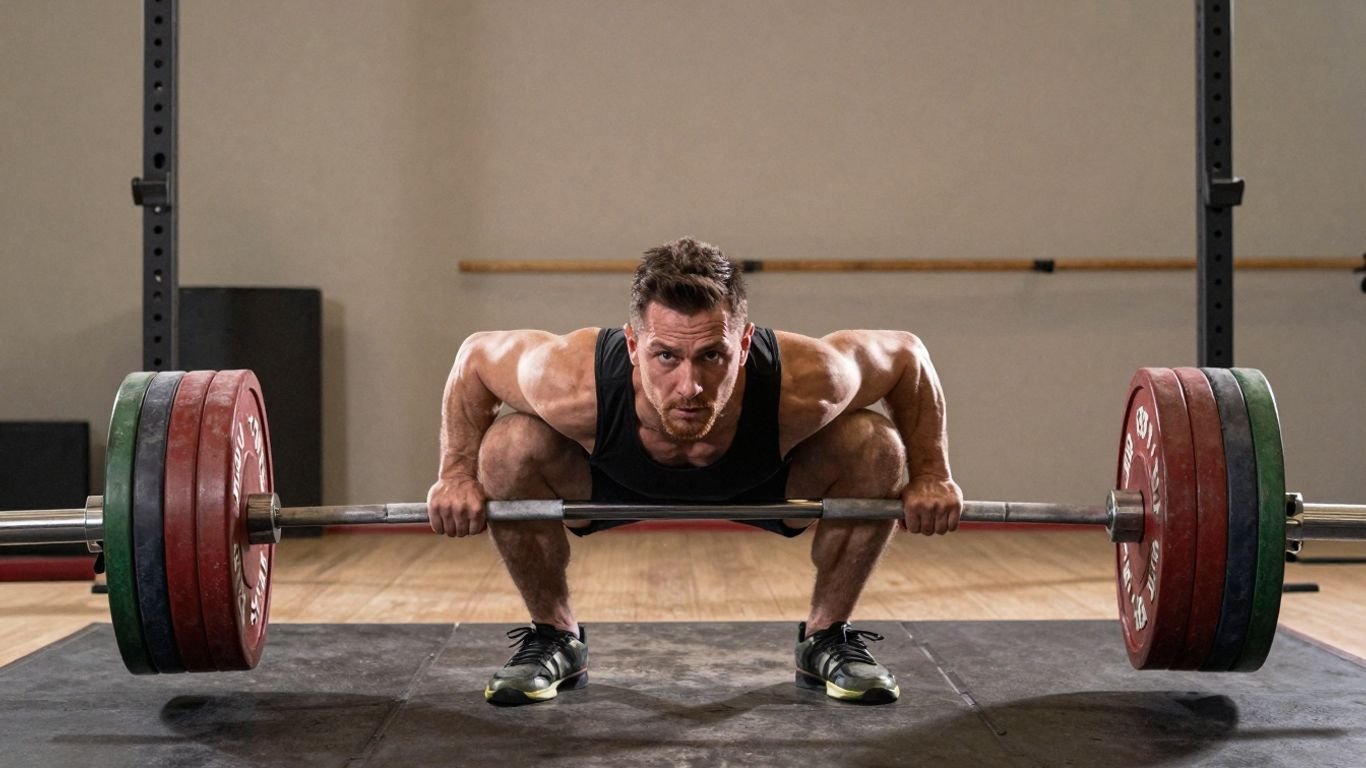
Implementing intelligent training strategies is paramount for serious lifters aiming to prevent injuries and sustain long-term progress. This involves a deliberate approach to how training loads are managed and how the body adapts.
Progressive Overload Done Right
Progressive overload, the principle of gradually increasing the demands placed on the musculoskeletal system, is fundamental for strength and muscle development. However, how this progression occurs significantly impacts injury risk. Rapid or excessive increases in weight, volume, or intensity without adequate adaptation can overwhelm tissues, leading to strains, tears, or overuse injuries. A structured approach focuses on small, consistent increments.
- Prioritize form over adding weight. Ensure perfect execution of each repetition before considering an increase.
- Introduce changes incrementally. Small jumps in weight or repetitions are safer than large ones.
- Track your progress meticulously. This data informs future training decisions and prevents impulsive increases.
Sudden spikes in training load are a common precursor to injury. A gradual increase allows tissues to strengthen and adapt, minimizing the risk of breakdown. This principle applies whether you are a seasoned athlete or just starting to lift heavier weights.
A common mistake is to chase numbers without respecting the body’s current capacity. This often leads to compensatory movements that mask underlying issues until an injury occurs.
Periodization and Deload Weeks
Periodization involves structuring training into distinct phases, each with specific goals and intensities. This systematic variation helps prevent plateaus and reduces the cumulative stress that can lead to overuse injuries. Deload weeks, a planned period of reduced training volume and intensity, are a critical component of periodization. They allow the body to recover fully, repair micro-trauma, and prepare for subsequent training cycles.
- Incorporate deload weeks every 4-8 weeks. The exact timing depends on training intensity and individual recovery.
- During a deload, reduce weights by 40-60% or decrease the number of sets and reps.
- Focus on active recovery during deloads, such as light cardio or mobility work.
Listening to Your Body: Recognizing Overtraining
Overtraining syndrome is a state of chronic fatigue and decreased performance resulting from excessive training without adequate recovery. It manifests in various ways, including persistent muscle soreness, sleep disturbances, mood changes, and increased susceptibility to illness and injury. Learning to recognize the early signs is vital for preventing serious setbacks. If you find yourself consistently fatigued, experiencing a decline in strength, or feeling unusually irritable, it may be time to reassess your training load and prioritize recovery. This careful attention to your body’s signals is a cornerstone of safe lifting techniques.
- Monitor persistent fatigue and lack of motivation.
- Note any unusual aches or pains that do not resolve with rest.
- Observe changes in sleep quality and appetite.
When these signs appear, consider reducing training intensity and volume, increasing rest, and focusing on nutrition and sleep until full recovery is achieved. This proactive approach safeguards your training longevity.
Recovery: The Unsung Hero of Injury Prevention

Nutrition and Hydration for Muscle Repair
Proper fueling is not just about performance; it is critical for rebuilding damaged tissues. Adequate protein intake provides the building blocks for muscle repair. Carbohydrates replenish energy stores depleted during intense training sessions. Hydration supports all metabolic processes, including those involved in recovery. Ignoring these basics can slow healing and increase susceptibility to further injury.
Sleep: Your Body’s Ultimate Repair Shop
Sleep is when the majority of tissue repair and muscle growth occurs. During deep sleep cycles, the body releases growth hormone, which is vital for recovery. Aim for seven to nine hours of quality sleep per night. Consistent sleep patterns support hormonal balance and reduce inflammation, both of which are important for preventing injuries and aiding recovery. Insufficient sleep impairs cognitive function, which can negatively impact lifting technique and decision-making during workouts.
Recovery is not an optional add-on; it is an integral part of the training process. Neglecting recovery is akin to skipping the most important part of your workout. It is during rest that your body adapts to the stress of training, becoming stronger and more resilient. Prioritizing recovery strategies directly contributes to long-term progress and reduces the likelihood of setbacks from injury.
- Prioritize Protein: Consume sufficient protein to support muscle synthesis. Aim for approximately 1.6 to 2.2 grams per kilogram of body weight daily.
- Stay Hydrated: Drink water consistently throughout the day, especially before, during, and after training.
- Replenish Glycogen: Ensure adequate carbohydrate intake to restore muscle glycogen stores.
- Consider Micronutrients: Vitamins and minerals play roles in inflammation control and tissue repair.
While specific injury prevention exercises and injury prevention workouts focus on building resilience, recovery addresses the body’s response to the stress these activities create. This includes strategies beyond just rest, such as active recovery methods and appropriate injury prevention stretches that do not exacerbate strain.
Final Thoughts on Staying Strong and Safe
Look, getting stronger is the goal, right? But doing it without getting hurt is even better. We’ve talked about a lot of things here, from making sure your form is spot-on to not pushing too hard too fast. It’s really about being smart with your training. Listen to your body, warm up right, and don’t be afraid to ask for help if something feels off. Staying injury-free means you can keep lifting for a long time, hitting new personal bests, and just generally feeling good. So, keep these tips in mind every time you head to the gym, and you’ll be well on your way to a safer, stronger you.
Frequently Asked Questions
What are the most common injuries people get when lifting weights?
Serious lifters often face injuries like muscle strains, sprains, and sometimes more serious issues like herniated discs or torn tendons. These usually happen when lifting too much weight too quickly, or when form isn’t quite right.
Why is using the correct form so important, even more than lifting heavy?
Using proper form is like building a strong house on a solid foundation. It makes sure your muscles and joints work together safely. Lifting too heavy with bad form can put a lot of stress on your body, leading to injuries that can take a long time to heal. It’s better to lift a bit lighter with perfect form.
What should I do to prepare my body before a tough lifting session?
Before you lift heavy, it’s important to warm up. This means doing some light cardio to get your blood flowing and then performing dynamic stretches. These are movements that get your joints and muscles ready for action, like arm circles or leg swings.
How can I make sure I’m not overtraining and risking injury?
Overtraining happens when you push your body too hard without enough rest. Signs include feeling constantly tired, having less energy for workouts, and nagging aches. It’s crucial to listen to your body, take rest days, and consider ‘deload’ weeks where you reduce the intensity of your training.
What role does nutrition play in preventing lifting injuries?
Eating well and staying hydrated is super important for muscle repair and recovery. Foods rich in protein help rebuild muscles, while good hydration keeps everything working smoothly. This helps your body bounce back faster after tough workouts.
How much sleep do I really need for muscle recovery?
Sleep is when your body does most of its healing. Aim for 7-9 hours of quality sleep each night. During deep sleep, your body releases growth hormones that are essential for repairing muscle tissue and getting stronger.
What is ‘progressive overload’ and how should I do it safely?
Progressive overload means gradually increasing the demands on your muscles over time to keep getting stronger. You can do this by lifting slightly more weight, doing more repetitions, or doing more sets. The key is to make these changes slowly and carefully, always prioritizing good form.
When should I consider seeking professional help for a lifting-related pain?
If you experience sharp pain, swelling that doesn’t go down, or pain that stops you from doing everyday activities, it’s time to see a doctor or physical therapist. Don’t try to push through persistent pain, as it could lead to a more serious injury.