

Changing your physique usually starts with one of two strategies: bulking or cutting. Bulking focuses on gaining muscle through a controlled calorie surplus, while cutting prioritizes fat loss with a moderate deficit. This guide explains how each phase works, the science behind them, and how to choose the approach that aligns with your goals, training experience, and current condition. It’s not about which method is “better,” but which one makes sense for where you are right now.
Key Takeaways
- Bulking means eating more calories than you burn to build muscle, often combined with weight training.
- Cutting involves eating fewer calories than you burn to lose body fat while trying to keep muscle.
- The main difference between bulking vs cutting is the calorie balance: surplus for bulking, deficit for cutting.
- Choosing between bulking or cutting depends on your current body fat, muscle mass, and fitness goals.
- Both bulking and cutting require consistent effort in both diet and exercise, and recovery is important for success.
What is Bulking?

Bulking is essentially a phase where the main objective is to increase your overall body weight, with a strong emphasis on gaining muscle mass. Think of it as intentionally eating more calories than your body needs to function on a daily basis. This surplus of energy provides the fuel required for your muscles to grow and repair, especially when paired with consistent resistance training. It’s not just for competitive bodybuilders; anyone looking to build a more muscular physique can benefit from a well-structured bulking plan.
The Goal of Bulking
The primary goal of bulking is to maximize muscle hypertrophy, which is the scientific term for muscle growth. While some fat gain is often an unavoidable byproduct of being in a caloric surplus, the focus remains on building as much lean muscle tissue as possible. This phase is about creating an anabolic environment within the body, where the building of new tissue outpaces its breakdown. This strategic approach allows individuals to increase their strength and size over time.
How to Bulk Effectively
Successfully implementing a bulking plan involves several key components. It’s about more than just eating everything in sight; a strategic approach yields better results.
- Caloric Surplus: You need to consume more calories than you burn. A common recommendation is to aim for a surplus of 250-500 calories above your maintenance level. This provides the necessary energy for muscle repair and growth without excessive fat accumulation.
- Protein Intake: Adequate protein is vital for muscle protein synthesis. Aim for roughly 1.6 to 2.2 grams of protein per kilogram of body weight (or 0.7 to 1 gram per pound).
- Resistance Training: Consistent and progressive resistance training is non-negotiable. Focus on compound exercises that work multiple muscle groups, and gradually increase the weight, reps, or sets over time to challenge your muscles.
- Carbohydrates and Fats: These macronutrients provide energy for your workouts and support hormonal functions. The remainder of your calories after protein intake should come from a balanced mix of complex carbohydrates and healthy fats.
- Rest and Recovery: Muscle growth happens during rest. Ensure you are getting enough quality sleep and allowing your body adequate recovery time between training sessions.
A common mistake during bulking is to simply eat whatever you want without considering the quality of the food. While a slight increase in fat is expected, a “dirty bulk” where you consume excessive amounts of processed foods can lead to significant fat gain, making the subsequent cutting phase much more challenging.
Tracking your progress is also important. Weighing yourself regularly and monitoring your strength gains can help you adjust your caloric intake if you’re not gaining weight at the desired rate (typically aiming for 0.25-0.5% of body weight per week).
What is Cutting?
 Cutting is essentially the opposite of bulking. While bulking focuses on consuming extra calories to build muscle, cutting involves creating a calorie deficit to shed body fat. The main objective here is to reduce your body fat percentage while holding onto as much of the muscle you’ve worked hard to build as possible. It’s a phase where you aim to reveal the muscle definition you’ve developed.
The Goal of Cutting
The primary goal of a cutting phase is fat loss. This means consuming fewer calories than your body burns. However, it’s not just about eating less; it’s about eating smart. You want to lose fat, not muscle. This requires a strategic approach to nutrition and training to ensure that the weight you lose is primarily fat. This phase is about sculpting your physique.
How to Cut Effectively
Successfully navigating a cutting phase involves several key components. It’s a balancing act, and getting it right means you’ll see better results with less muscle loss.
- Caloric Deficit: You need to consume fewer calories than you expend. A moderate deficit, typically around 20-25% below your maintenance calories, is often recommended. This helps promote fat loss without being so drastic that it causes significant muscle breakdown.
- High Protein Intake: Protein is vital for muscle preservation. During a cut, you should aim for a higher protein intake to signal to your body that muscle tissue is important and should be spared. This also helps with satiety, making it easier to stick to your calorie goals.
- Resistance Training: Continuing to lift weights is crucial. It tells your body to keep the muscle it has. Focus on maintaining intensity as much as possible, though you might notice a slight decrease in strength due to lower energy availability.
- Cardiovascular Exercise: Adding some cardio can help increase your calorie expenditure, aiding in the fat loss process. However, it’s important not to overdo it, as excessive cardio can sometimes interfere with muscle recovery and preservation.
Here are some general guidelines for a cutting plan:
| Food Group | Recommended Choices |
|---|---|
| Lean Proteins | Chicken breast, turkey breast, fish, egg whites, tofu, lean beef |
| Vegetables | Broccoli, spinach, asparagus, cauliflower, bell peppers, green beans (non-starchy options are great) |
| Fruits | Berries, apples, melon, grapefruit (lower sugar options in moderation) |
| Healthy Fats | Avocado, nuts, seeds, olive oil (in controlled portions) |
| Complex Carbs | Oats, quinoa, brown rice, sweet potatoes (portion-controlled, often timed around workouts) |
| Beverages | Water, unsweetened tea, black coffee |
Some general cutting phase tips include focusing on nutrient-dense foods that keep you full, like lean proteins and fibrous vegetables. Staying hydrated is also key. You might find that certain drinks, like sugary sodas or juices, can add up calories quickly without providing much nutritional value, so limiting those is a good idea. Remember, the goal is sustainable fat loss, not starvation.
Bulking vs Cutting: Key Differences
Caloric Intake
The most significant difference between bulking and cutting lies in your caloric intake. Bulking requires a caloric surplus, meaning you consume more calories than your body burns. This extra energy is directed towards muscle repair and growth. Conversely, cutting involves a caloric deficit, where you eat fewer calories than you expend. This forces your body to tap into stored fat for energy, leading to fat loss.
- Bulking: Caloric Surplus (eating more than you burn)
- Cutting: Caloric Deficit (eating less than you burn)
Macronutrient Focus
While both phases benefit from adequate protein, the emphasis shifts. During a bulk, you’ll want sufficient protein to support muscle protein synthesis, but carbohydrates become more important to fuel intense workouts and replenish glycogen stores. For cutting, protein intake remains high to preserve muscle mass, but carbohydrate and fat intake are often reduced to create a more significant calorie deficit. The goal here is muscle gain vs fat loss with a priority on preserving what you’ve built.
Training Regimen
Resistance training is key for both phases, but the intensity and volume might differ. Bulking typically involves progressive overload with heavier weights and potentially higher volume to stimulate maximum muscle growth. During a cut, you’ll continue resistance training to signal your body to keep muscle, but you might not be able to maintain the same intensity due to lower energy levels. Some individuals also incorporate more cardiovascular exercise during a cut to increase the calorie deficit.
The primary objective dictates the approach. Bulking is about providing the body with excess energy and stimulus for building new tissue, while cutting is about carefully managing energy balance to remove unwanted tissue while protecting valuable muscle. Both require a strategic, planned approach rather than guesswork.
Here’s a quick look at the differences:
| Feature | Bulking | Cutting |
|---|---|---|
| Caloric Goal | Surplus (more calories in than out) | Deficit (fewer calories in than out) |
| Primary Aim | Muscle gain | Fat loss, muscle preservation |
| Protein Needs | High | Very High (to preserve muscle) |
| Carbs/Fats | Higher (to fuel workouts) | Lower (to aid deficit) |
| Training | Progressive overload, higher intensity | Maintain intensity, potential for more cardio |
Understanding these distinctions is vital for anyone looking to change their body composition effectively. It’s about aligning your diet and training with your specific goals, whether that’s adding size or revealing definition.
When to Choose Bulking or Cutting
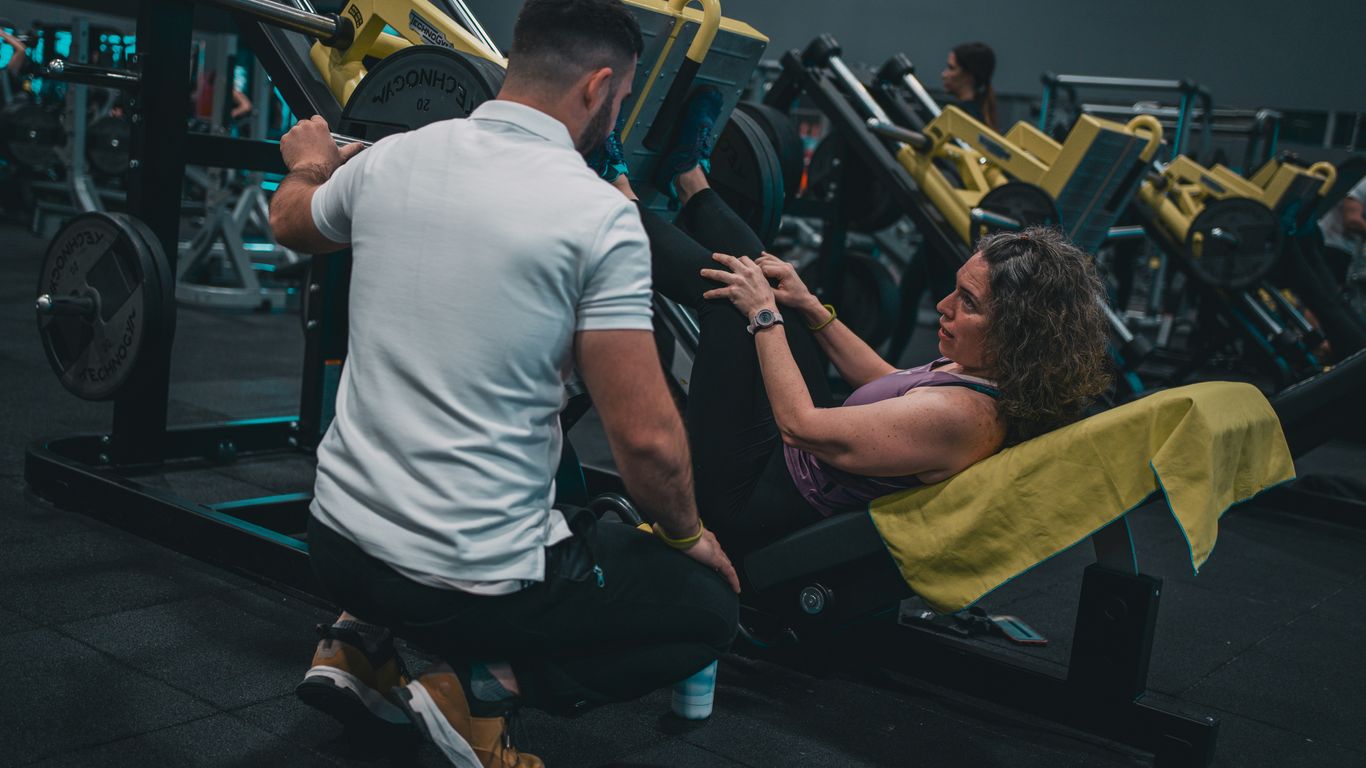
Deciding whether to start with a bulking or cutting phase really depends on where you’re at right now and what you want to achieve long-term. If you’re relatively lean and your main goal is to pack on muscle and get stronger, bulking is likely your next step. It’s about giving your body the extra fuel it needs to build new tissue. However, if you’re carrying more body fat than you’re comfortable with, or if you want to see that muscle definition you’ve worked hard for, then cutting is the way to go. This phase focuses on shedding fat while holding onto as much muscle as possible.
Think about your training experience too. Beginners might benefit from focusing on consistent training and good nutrition before diving into specific bulking or cutting cycles. For those with some experience, alternating between these phases can be a smart strategy for continuous progress. It’s not a one-size-fits-all approach, and your training experience is a key factor in how to bulk and cut effectively.
Here’s a simple way to think about it:
- Choose Bulking If:
- You’re looking to significantly increase muscle mass and strength.
- You’re comfortable with gaining some body fat alongside muscle.
- You have a lower starting body fat percentage.
- Choose Cutting If:
- Your primary goal is to reduce body fat and improve muscle definition.
- You want to reveal the muscle you’ve already built.
- You have a higher starting body fat percentage.
Many people find success by cycling through bulking and cutting phases. You might bulk for a period to gain muscle, then cut to lose the fat gained during the bulk, revealing a leaner, more muscular physique. This approach helps manage body composition over time and is a common strategy for the best strategy for muscle growth.
Ultimately, both bulking and cutting are tools in your fitness toolbox. The best strategy for you involves understanding your current state, setting clear goals, and applying the principles of a science-based bodybuilding diet and training to each of your bulking and cutting phases.
Conclusion: Finding Your Balance
So, you’ve learned about bulking and cutting, the two main strategies for changing your body composition. It’s not really about which one is ‘better,’ but rather which one fits your current goals and where you are in your fitness journey. Think of it like this: bulking is about adding fuel to the fire to build a bigger structure, while cutting is about carefully managing that structure to make it more defined.
The key takeaway is that neither phase is permanent, and a balanced approach often yields the best long-term results. Many people cycle between bulking and cutting phases, using each to complement the other. For instance, a successful bulk can provide a solid foundation for a more effective cut later on, where you can reveal the muscle you’ve built.
Here’s a quick look at how they differ:
- Bulking: Focuses on a calorie surplus to build muscle. Requires consistent, challenging resistance training and adequate protein. The goal is muscle gain, with some fat gain being acceptable.
- Cutting: Focuses on a calorie deficit to lose fat. Requires continued resistance training to preserve muscle, high protein intake, and often increased cardio. The goal is fat loss while keeping as much muscle as possible.
It’s important to remember that consistency is more important than perfection. You don’t need to be in a strict bulk or cut all the time. Listening to your body, adjusting your intake based on your progress, and prioritizing recovery are all vital.
Progress isn’t always linear. There will be times when you gain a little more fat than you’d like during a bulk, or lose a bit more muscle than planned during a cut. These are learning opportunities. The goal is to make informed adjustments and keep moving forward, rather than getting discouraged by minor setbacks. The overall trend over months and years is what truly matters.
Ultimately, finding your balance means understanding your body’s response to different nutritional and training strategies. It’s about making informed choices that align with your personal health and fitness aspirations, rather than chasing a one-size-fits-all solution. Whether you’re aiming for significant muscle gains or a leaner physique, a well-planned and adaptable approach will get you there.
Wrapping It Up
Bulking and cutting serve different purposes, and each works best when approached with intention. Bulking requires a controlled calorie surplus to support muscle growth, while cutting relies on a moderate deficit to reduce body fat. Outside of beginners and a few specific cases, trying to maximize both at once usually leads to slower progress. For most lifters, alternating between these phases is the most reliable way to build muscle and then uncover it. Stay consistent, monitor your progress, and adjust your nutrition and training based on real results—not guesswork. If you’re uncertain about the right approach for your current situation, consulting a qualified coach or nutrition professional can provide valuable direction.
Frequently Asked Questions
What is the main difference between bulking and cutting?
Bulking is when you eat more calories than your body uses to gain weight, mostly muscle. Cutting is when you eat fewer calories than your body uses to lose weight, mainly body fat, while trying to keep your muscle.
Should I start with bulking or cutting?
If you want to build more muscle and strength, and you’re okay with gaining a little body fat, start with bulking. If you have more body fat than you’d like and want to see your muscles more clearly, start with cutting.
Can I build muscle and lose fat at the same time?
It’s very hard for most people with some training experience to do both at the same time. It’s usually best to focus on one goal at a time, either bulking or cutting, and then switch.
What kind of food should I eat when bulking?
When bulking, eat foods that have lots of calories and nutrients to support muscle growth. Think lean meats, healthy fats, complex carbs like rice and potatoes, and plenty of fruits and vegetables.
What kind of food should I eat when cutting?
For cutting, focus on foods that are filling but lower in calories. Lean proteins, lots of vegetables, some fruits, and controlled amounts of healthy fats and complex carbs are good choices to help you feel full and get nutrients without too many calories.
How much protein do I need for bulking or cutting?
Protein is important for both. Aim for about 1.6 to 2.2 grams of protein per kilogram of your body weight each day to help build or keep your muscle, whether you’re bulking or cutting.
How long should I bulk or cut for?
Muscle growth takes time, so bulking phases can be longer. Cutting phases are often shorter, just long enough to lose the desired amount of fat. It’s common to cycle between bulking and cutting for several weeks or months at a time.
Is it okay to gain some fat while bulking?
Yes, it’s common and often expected to gain a small amount of body fat during a bulking phase. The goal is to gain more muscle than fat. You can then lose the extra fat during a cutting phase.