
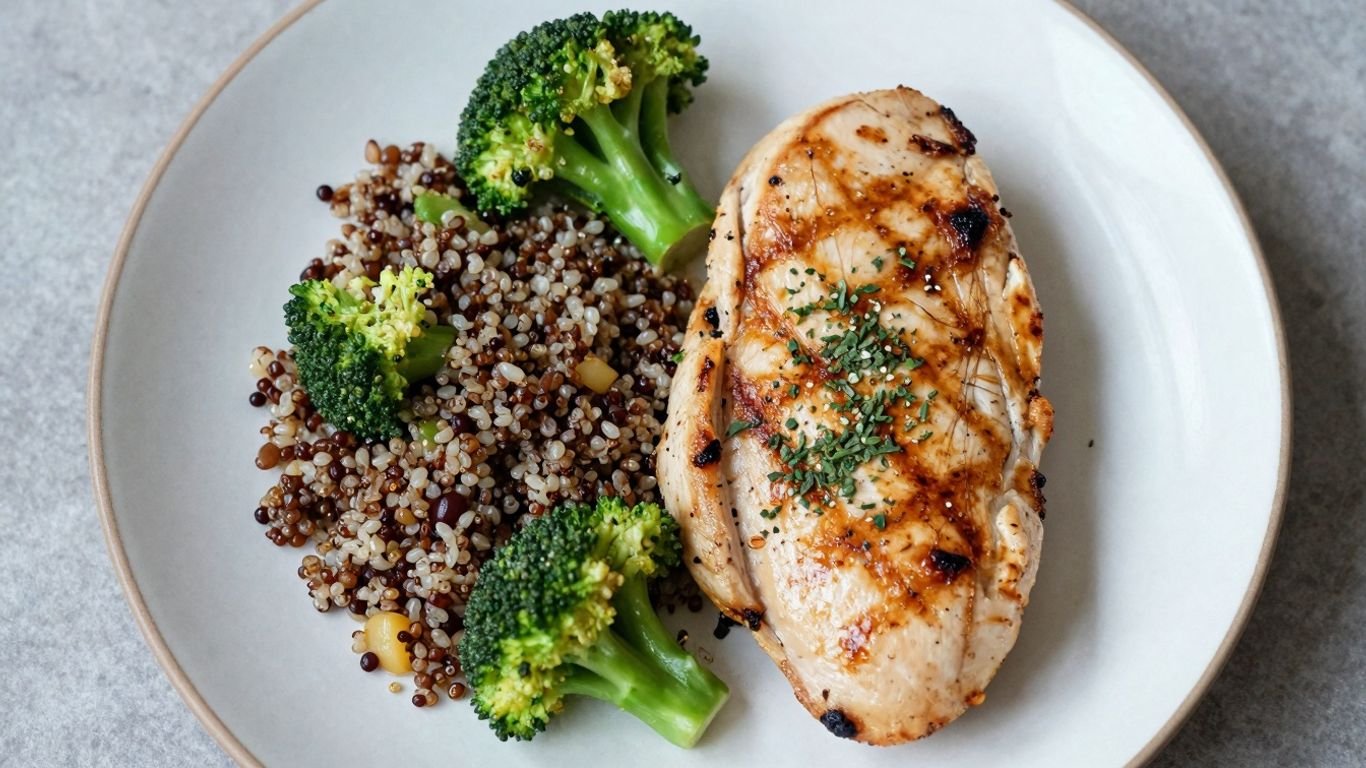
For those focused on building muscle and improving strength, what you eat plays a big role. Getting enough protein is key for your muscles to repair and grow after workouts. This article looks at some simple, high-protein meals that can help you meet your goals without a lot of fuss. We’ll cover a range of options to fit different tastes and schedules, making it easier to fuel your progress.
Key Takeaways
- Prioritize meals with a good amount of protein to support muscle repair and growth after lifting.
- Include a protein source in every meal to help meet your daily protein targets consistently.
- Balance your protein intake with healthy carbohydrates and fats for sustained energy.
- Consider meal prepping high-protein meals to save time during busy weeks.
- Variety in your diet ensures you get a range of nutrients alongside your protein.
Why Protein is Crucial for Lifters
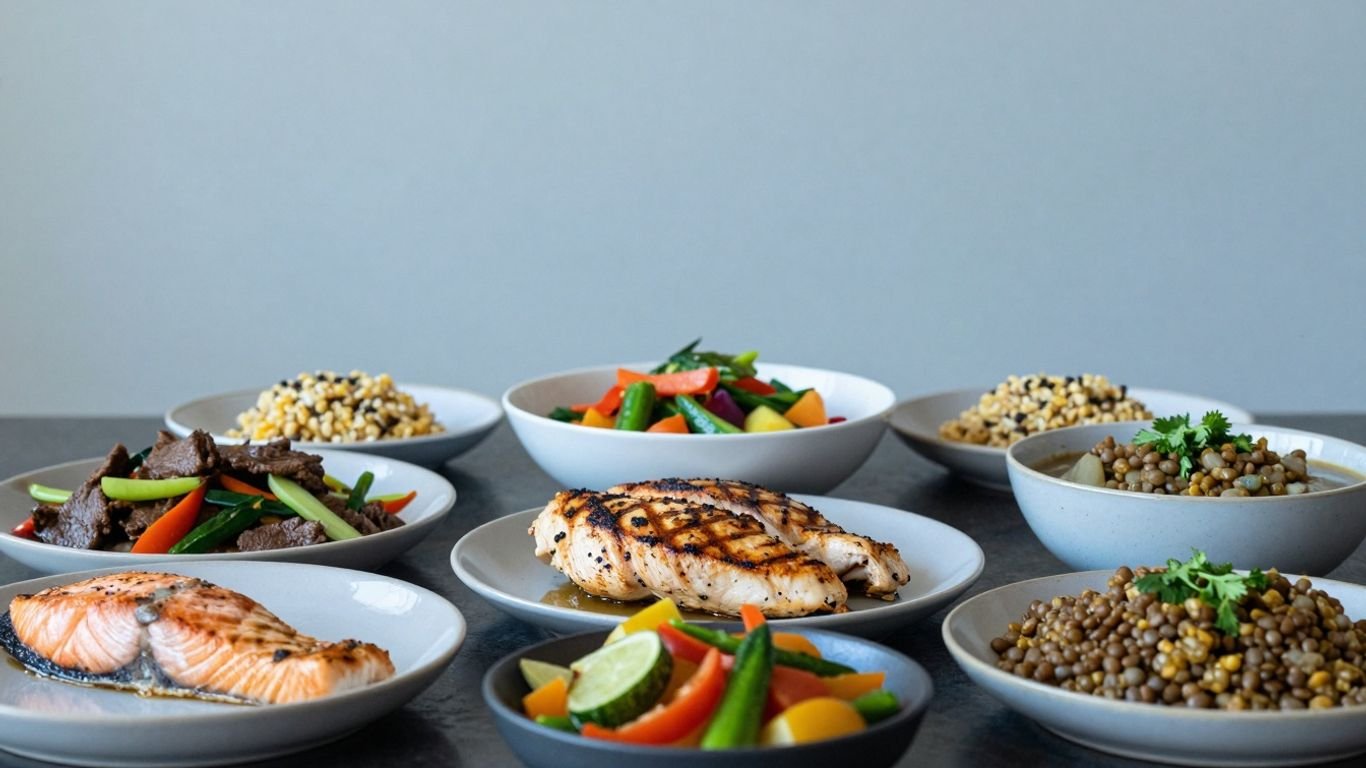
When you are lifting weights, whether for strength, size, or general fitness, your body undergoes a process of breakdown and rebuilding. Protein is the primary building block for this repair and growth. After a workout, tiny tears form in your muscle fibers.
Consuming adequate protein provides the necessary amino acids to mend these tears, leading to stronger and larger muscles over time. It is not just about building new muscle tissue; protein also plays a role in maintaining existing muscle mass, which is important as we age or during periods of calorie restriction.
Meeting your daily protein target is key for consistent progress. For individuals engaged in regular resistance training, a common recommendation is to consume between 1.6 to 2.2 grams of protein per kilogram of body weight each day. This intake should ideally be distributed throughout your meals and snacks to keep a steady supply of amino acids available for muscle repair and synthesis.
Here is a general guideline for protein intake based on body weight:
| Body Weight (kg) | Protein Target (g/day) |
|---|---|
| 60 | 96 – 132 |
| 70 | 112 – 154 |
| 80 | 128 – 176 |
| 90 | 144 – 198 |
| 100 | 160 – 220 |
Beyond muscle repair, protein contributes to satiety, helping you feel fuller for longer. This can be beneficial for managing appetite and supporting body composition goals. Furthermore, sufficient protein intake aids in recovery, allowing you to perform at your best in subsequent training sessions. The quality of protein also matters; sources that contain all essential amino acids are most effective for muscle protein synthesis.
The 9 High-Protein Meal Ideas
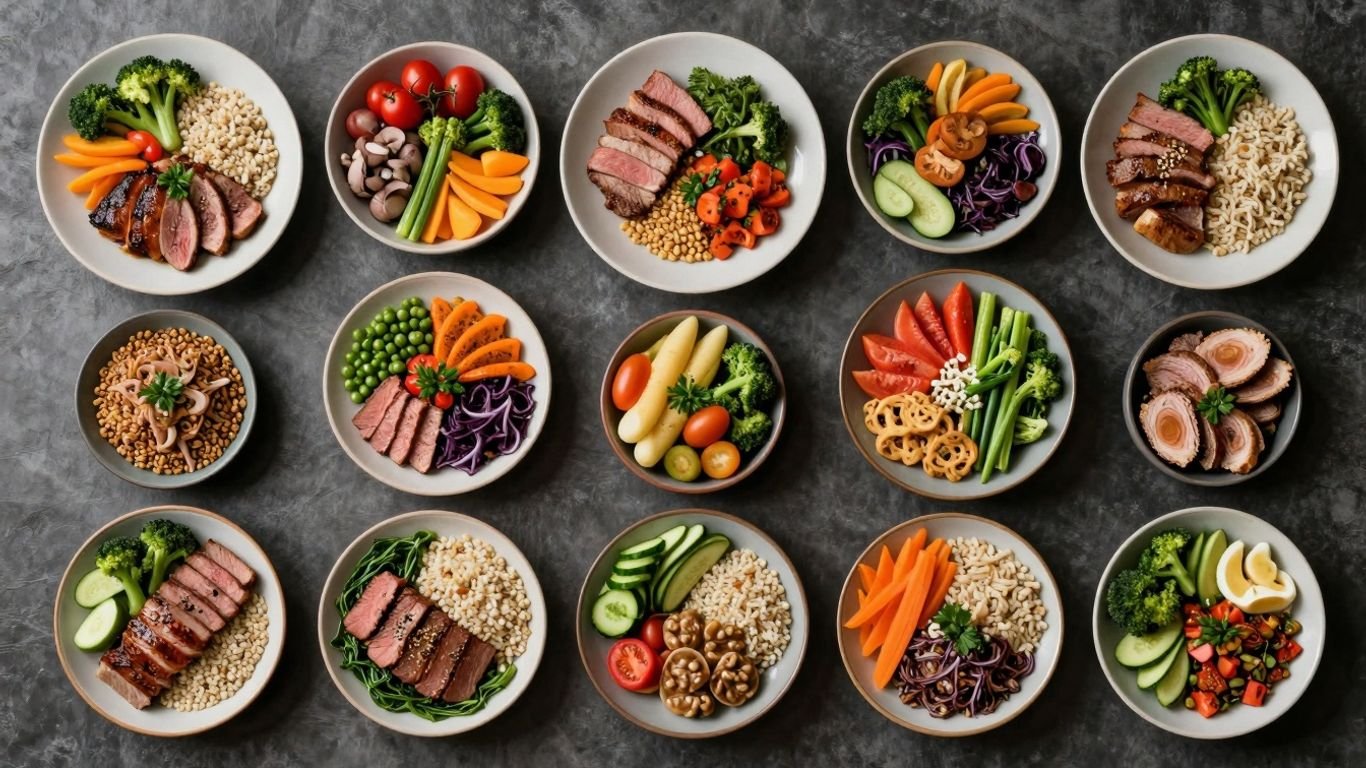
Incorporating sufficient protein into your diet is paramount for individuals engaged in resistance training. These meal suggestions are designed to be both nutritious and convenient, supporting muscle repair and growth. They represent some of the best bodybuilding meal ideas and are suitable for macro-friendly meal prep.
1. Chicken Breast with Quinoa and Roasted Broccoli
This meal offers a balanced combination of lean protein from chicken breast, complex carbohydrates from quinoa, and essential nutrients from broccoli. Roasting the broccoli brings out its natural sweetness and provides a satisfying texture.
| Component | Approximate Protein (g) |
|---|---|
| Chicken Breast (170g) | 53 |
| Quinoa (1 cup cooked) | 8 |
| Broccoli (1 cup) | 3 |
2. Lean Ground Turkey Stir-Fry with Brown Rice
A versatile and quick meal, the ground turkey stir-fry can be customized with a variety of vegetables. Brown rice adds fiber and sustained energy. This is one of the easy high-protein dinner recipes that works well for batch cooking.
| Component | Approximate Protein (g) |
|---|---|
| Lean Ground Turkey (170g) | 40 |
| Brown Rice (1 cup cooked) | 5 |
| Mixed Vegetables (1 cup) | 2 |
3. Salmon with Sweet Potato and Asparagus
Salmon is an excellent source of protein and omega-3 fatty acids, which are beneficial for overall health and recovery. Sweet potatoes provide complex carbohydrates and vitamins, while asparagus adds fiber and micronutrients.
| Component | Approximate Protein (g) |
|---|---|
| Salmon Fillet (170g) | 35 |
| Sweet Potato (medium) | 2 |
| Asparagus (1 cup) | 4 |
4. Greek Yogurt Parfait with Berries and Nuts
This option is ideal for a quick breakfast or a post-workout snack. Greek yogurt is exceptionally high in protein, and the addition of berries and nuts provides antioxidants and healthy fats. Consider exploring high-protein snack options for additional ideas.
| Component | Approximate Protein (g) |
|---|---|
| Greek Yogurt (1 cup) | 20 |
| Mixed Berries (1/2 cup) | 1 |
| Almonds (1/4 cup) | 6 |
5. Lentil Soup with Whole Wheat Bread
Lentils are a plant-based protein powerhouse, rich in fiber and iron. A hearty lentil soup, served with a slice of whole wheat bread, makes for a filling and nutritious meal, particularly suitable for cooler weather.
| Component | Approximate Protein (g) |
|---|---|
| Lentil Soup (2 cups) | 18 |
| Whole Wheat Bread (1 slice) | 4 |
6. Tofu Scramble with Black Beans and Avocado
A fantastic vegan option, tofu provides complete protein. Scrambled with black beans and topped with avocado, this meal is rich in protein, fiber, and healthy fats.
| Component | Approximate Protein (g) |
|---|---|
| Firm Tofu (1/2 block) | 20 |
| Black Beans (1/2 cup) | 7 |
| Avocado (1/4) | 1 |
7. Tuna Salad Lettuce Wraps
For a lighter, yet protein-dense meal, tuna salad made with Greek yogurt instead of mayonnaise can be served in crisp lettuce cups. This is a quick and refreshing choice.
| Component | Approximate Protein (g) |
|---|---|
| Canned Tuna (1 can) | 20 |
| Greek Yogurt (2 tbsp) | 3 |
| Lettuce Cups | <1 |
8. Cottage Cheese with Pineapple
Cottage cheese is renowned for its high casein protein content, which digests slowly, making it ideal before bed. Pairing it with pineapple adds a touch of sweetness and vitamin C.
| Component | Approximate Protein (g) |
|---|---|
| Cottage Cheese (1 cup) | 25 |
| Pineapple (1/2 cup) | 1 |
9. Protein Pancakes
Elevate your breakfast with protein pancakes. Made using protein powder or incorporating ingredients like cottage cheese, these pancakes offer a substantial protein boost to start your day.
| Component | Approximate Protein (g) |
|---|---|
| Protein Pancake Mix | 20-30 (per serving) |
| Toppings (e.g., berries) | 1-2 |
These meals are designed to be adaptable. Adjust portion sizes based on individual caloric and macronutrient targets. Consistency in meal timing and composition is key for supporting training adaptations and recovery.
Tips for Maximizing Protein Intake
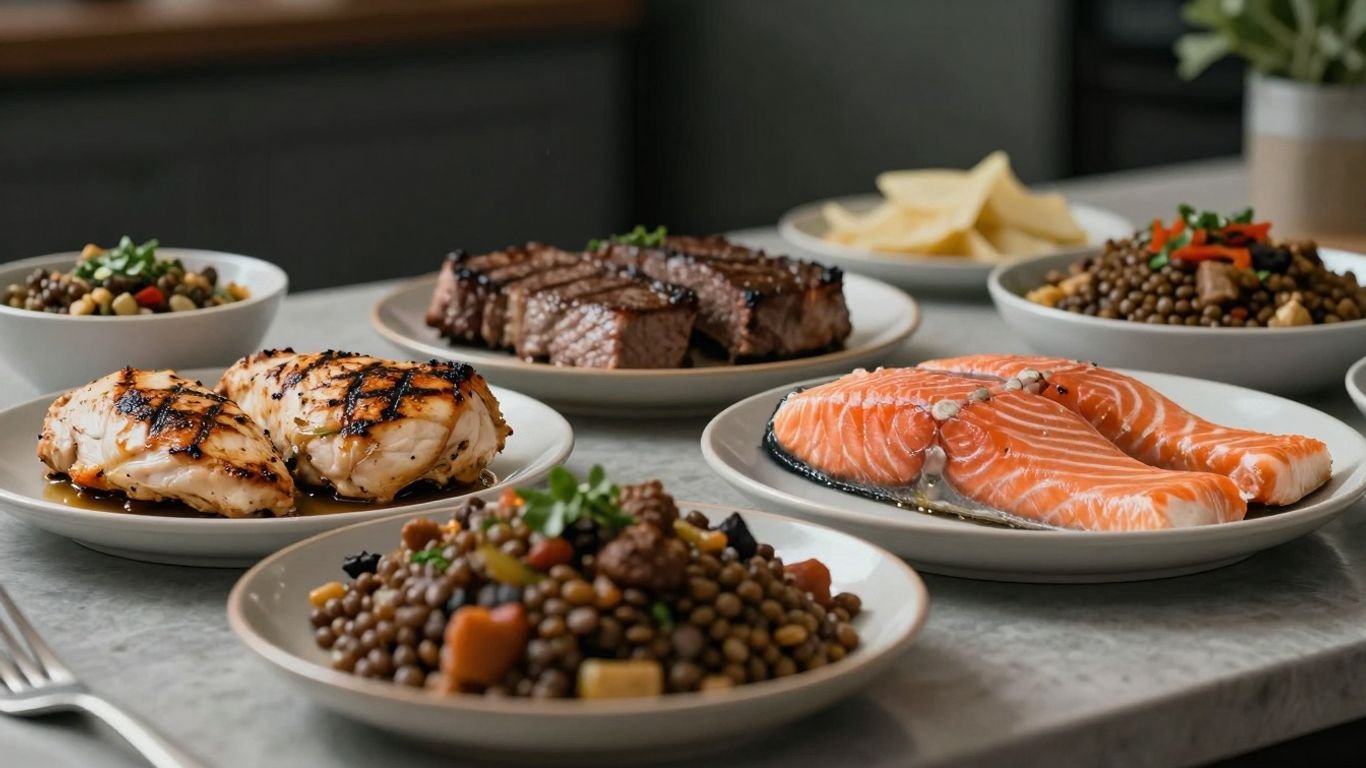
Consistently meeting your protein targets is key for muscle development and recovery. Aiming for a daily intake of 1.6 to 2.2 grams of protein per kilogram of body weight is a common recommendation for those engaged in resistance training. Spreading this intake across your meals and snacks throughout the day can help optimize muscle protein synthesis.
Prioritize protein at every meal. This strategy ensures a steady supply of amino acids to support muscle repair and growth. Consider incorporating a quality protein source with each eating occasion, whether it is breakfast, lunch, or dinner.
Here are some practical ways to increase your protein consumption:
- Incorporate protein powder: If whole food sources are insufficient, protein powders offer a convenient way to boost intake. They can be added to smoothies, oatmeal, or baked goods. Look for options like whey or plant-based alternatives to suit your dietary needs.
- Choose protein-rich snacks: Opt for snacks such as Greek yogurt, cottage cheese, hard-boiled eggs, or a handful of nuts. These provide sustained energy and contribute to your daily protein goals.
- Plan your meals: Having a meal plan can prevent last-minute, less nutritious choices. Focus on including lean meats, fish, eggs, dairy, legumes, and tofu in your meal preparations.
The timing of protein consumption can also play a role, particularly in the context of [post-workout food for athletes]. While the anabolic window concept is debated, consuming protein relatively soon after exercise can aid in the recovery process.
Here is a look at the protein content of common foods:
| Food Item | Serving Size | Protein (grams) |
|---|---|---|
| Chicken Breast | 3 oz | 26 |
| Salmon | 3 oz | 22 |
| Lean Ground Turkey | 3 oz | 21 |
| Greek Yogurt | 1 cup | 20 |
| Lentils | 1 cup | 18 |
| Tofu | 1/2 cup | 20 |
| Eggs | 2 large | 12 |
| Cottage Cheese | 1/2 cup | 12 |
Exploring various [protein-rich recipes for muscle gain] can help keep your diet varied and enjoyable, making it easier to stick to your nutritional plan over the long term. Remember that consistency is more important than perfection when it comes to achieving your fitness objectives.
Final Thoughts on Fueling Your Lifts
Building muscle and improving athletic performance is a journey that involves consistent effort both in the gym and in the kitchen. The meals we’ve explored offer a solid foundation for lifters looking to increase their protein intake.
Remember, consistency is key. By incorporating these high-protein options into your regular routine, you can support your body’s recovery and growth processes effectively. Don’t be afraid to experiment and find what works best for your taste and schedule. Proper nutrition is just as important as your training, so make it a priority.
Frequently Asked Questions
Why is protein so important for people who lift weights?
Protein is like the building blocks for your muscles. When you lift weights, you create tiny tears in your muscles. Protein helps to fix these tears and makes your muscles grow bigger and stronger. Eating enough protein is key for seeing good results from your workouts.
How much protein do lifters need each day?
A good rule of thumb for people who lift weights is to aim for about 1.6 to 2.2 grams of protein for every kilogram of their body weight. It’s best to spread this amount out over your meals and snacks throughout the day.
What are the best sources of protein for muscle growth?
Great protein sources include lean meats like chicken and turkey, fish like salmon, eggs, dairy products such as Greek yogurt and cottage cheese, and plant-based options like beans, lentils, tofu, and quinoa. Combining different sources helps ensure you get all the necessary nutrients.
Can I get enough protein from plant-based foods?
Yes, you can! While some plant foods might not have all the building blocks (essential amino acids) that animal foods do, you can get a complete set by eating a variety of plant-based proteins like beans, lentils, nuts, seeds, and whole grains throughout the day.
Should I eat protein right after a workout?
While eating protein soon after a workout can be helpful for muscle repair, the most important thing is to meet your total daily protein goal. Spreading your protein intake throughout the day is more crucial than focusing solely on post-workout timing.
What’s the difference between complete and incomplete proteins?
Complete proteins have all nine essential amino acids your body needs but can’t make on its own. Animal products are usually complete. Incomplete proteins are missing one or more of these essential amino acids. You can still get all you need by eating a mix of different incomplete proteins.
How do I make sure my meals are high in protein?
Focus on including a good protein source in every meal. For example, add chicken to your salad, have eggs with breakfast, or include beans in your lunch. Simple additions can significantly boost your protein intake without making meals complicated.
Are there high-protein meal ideas that are also quick and easy?
Absolutely! Meals like Greek yogurt with berries and nuts, tuna salad lettuce wraps, or a simple chicken breast with a side of vegetables can be prepared quickly. Meal prepping some ingredients ahead of time, like cooked chicken or quinoa, also makes it much faster.